




The Monsoon Month of Wellness
Karkidakam, the final month in the traditional Malayalam calendar, falls between mid-July and mid-August, coinciding with the peak of the southwest monsoon. Historically, it was known as a challenging time of heavy rains and low immunity, when people
were more susceptible to illness. In response, Ayurvedic wisdom designated this period as the ideal time for rejuvenation therapies, known as Karkidaka Chikitsa. Ayurveda posits that during the monsoon, the body's digestive fire, or 'Agni', is weakened, and the pores of the skin are more open, making the body receptive to healing treatments and special diets designed to detoxify and fortify.
What Exactly is Karkidaka Kanji?
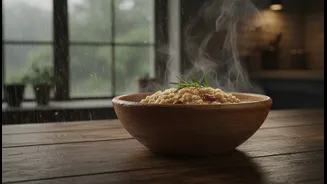
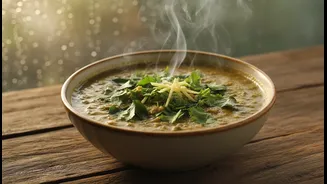
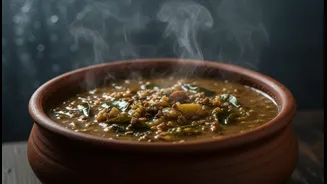
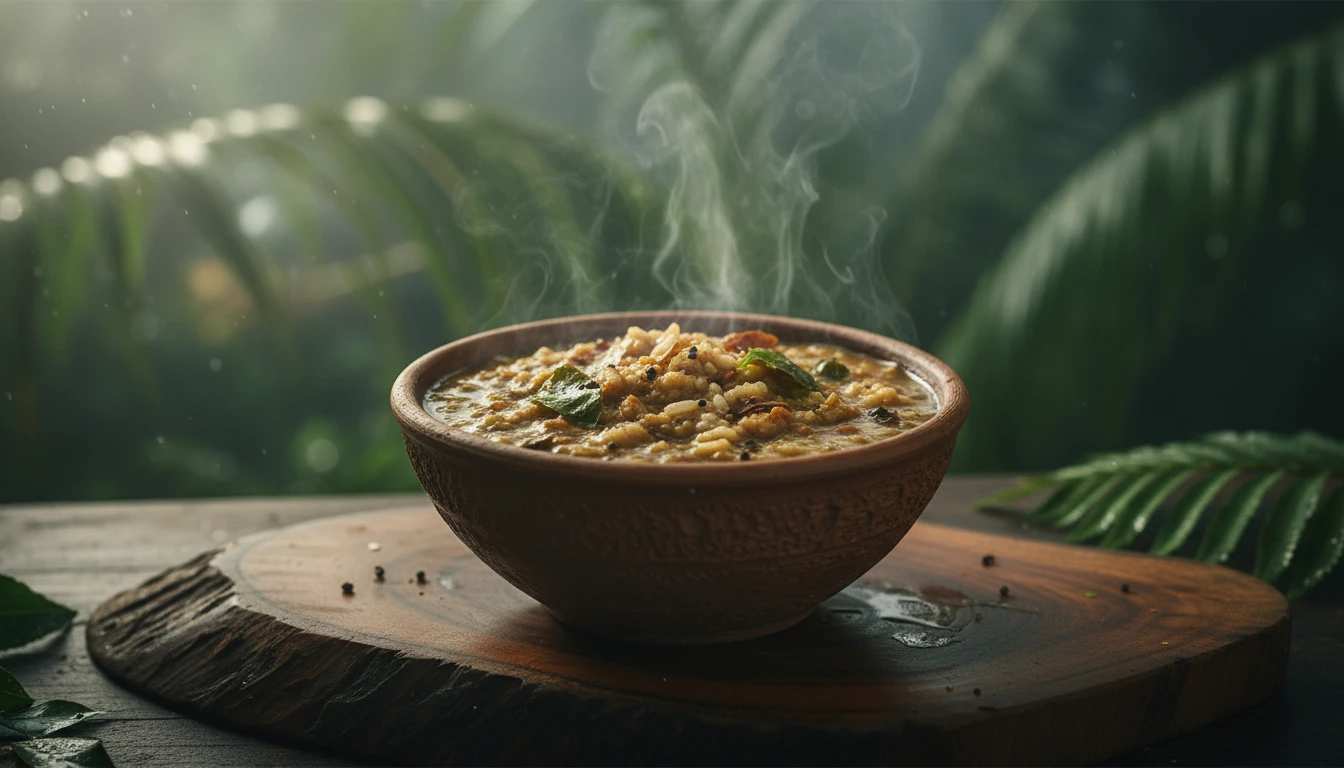
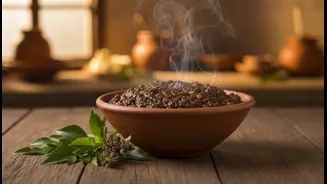
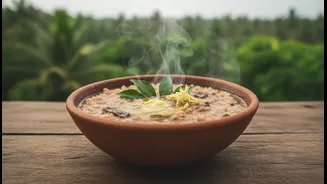
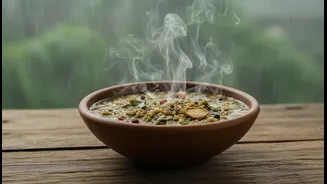
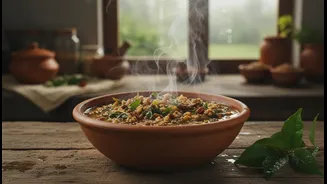
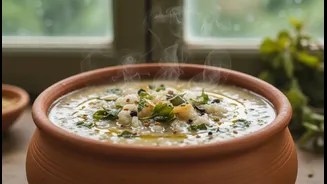
At the heart of this seasonal regimen is Karkidaka Kanji, a medicinal rice porridge. Known also as Oushadha Kanji (medicated porridge), it is far more than a simple meal. It's a carefully formulated blend of special rice, herbs, and spices designed to support the body through the rigours of the monsoon. The base is often Navara rice, a unique Kerala variety prized in Ayurveda for its nutritional and therapeutic properties. This is slow-cooked with a collection of warming spices and specific medicinal herbs, creating a dish that embodies the principle of 'food as medicine'.
A Pharmacy in a Bowl
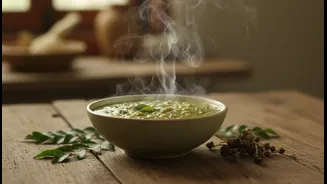
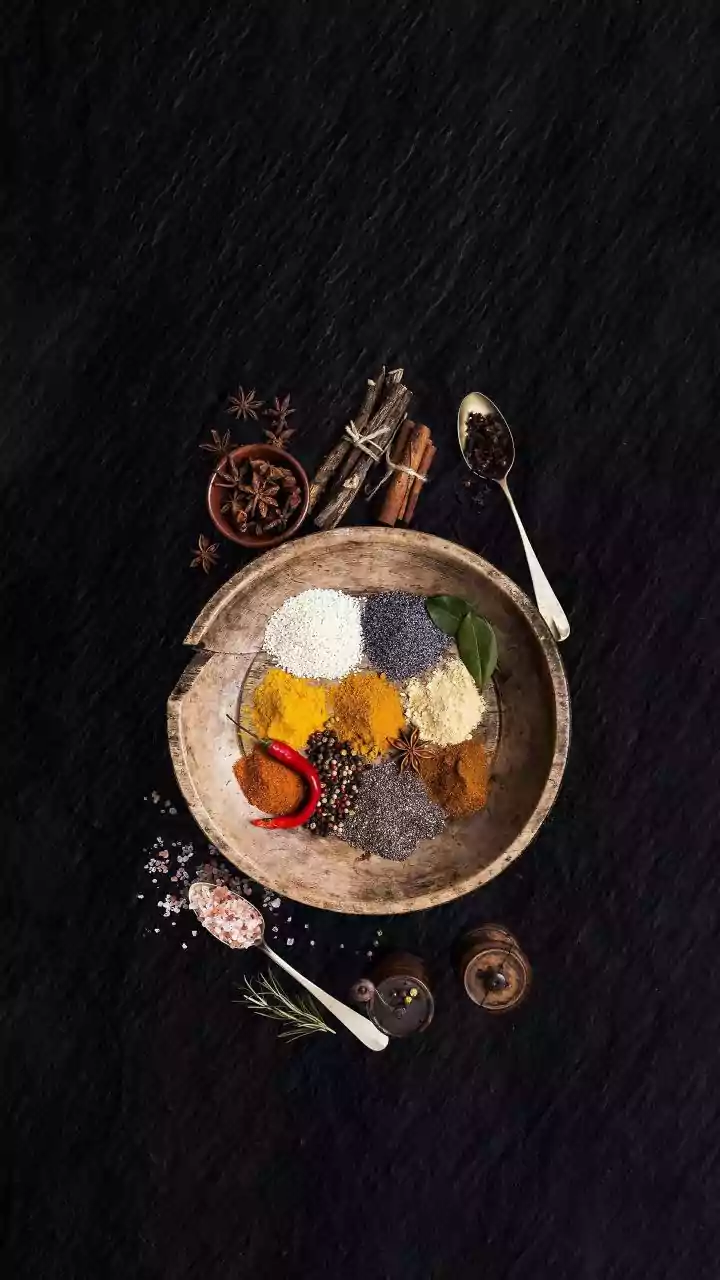
Each ingredient in Karkidaka Kanji is chosen for its specific benefits during the monsoon. The primary goal is to boost immunity, improve digestion, and reduce inflammation. Warming spices like dry ginger, black pepper, and cumin are included to rekindle the weakened digestive fire. Fenugreek helps combat joint stiffness, which can be aggravated by the damp weather. The porridge is often enriched with a special herbal mixture, sometimes containing Dashapushpam ('ten flowers'), a group of herbs known for their anti-inflammatory and detoxifying properties. The result is a nourishing, easily digestible meal that helps cleanse the body of toxins (Ama) and strengthen its natural defences against seasonal ailments.
The Ritual and Its Modern Relevance
The preparation and consumption of Karkidaka Kanji is a ritual in itself. Traditionally, families would consume the porridge daily, often as a light evening meal, for a period of at least seven days, and sometimes for the entire month. While recipes can vary slightly between households, the core philosophy remains the same. Today, the tradition is very much alive. In Kerala, it’s common to find ready-to-cook 'Karkidaka Kanji kits' in stores during the season, containing the Navara rice and a packet of the essential herbs and spices. This convenience has allowed the ancient practice to fit seamlessly into modern lifestyles, ensuring that the wisdom of seasonal eating is not lost.
Beyond the Bowl: A Living Tradition
Karkidaka Kanji is a powerful symbol of Kerala’s deep-rooted food culture, one that is intrinsically linked to the cycles of nature and the principles of Ayurveda. It represents a holistic approach to health where prevention and nourishment are prioritized. The practice demonstrates an understanding that wellness is not just about treating sickness but about aligning one's diet and lifestyle with the demands of the season. It’s a tradition that goes beyond mere sustenance, offering comfort, healing, and a tangible connection to the cultural heritage of the region, proving that sometimes the most profound wisdom can be found in a simple bowl of porridge.