



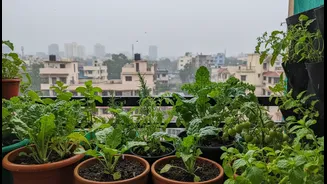


Setting Up for Success
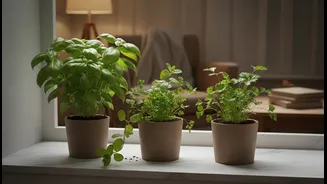
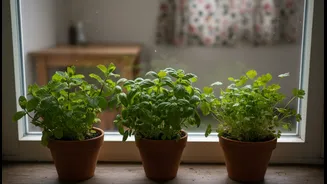
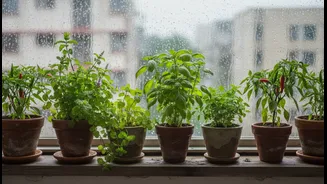
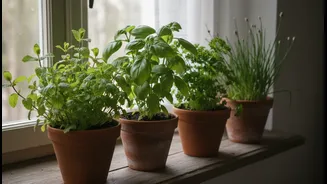
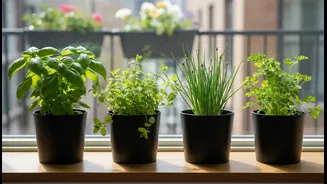
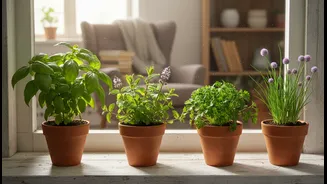
Before you start planting, a little preparation goes a long way. First, identify your best windowsill. While these herbs are low-light tolerant, they still appreciate bright, indirect light. An east-facing window with gentle morning sun is often perfect,
but any spot that gets a few hours of indirect light will work. Next, choose your containers. Small pots between 6-8 inches deep with drainage holes are essential to prevent waterlogging and root rot. You can use individual pots for each herb or a longer window box planter. For soil, a high-quality, well-draining potting mix designed for herbs or houseplants is your best bet. Good drainage allows roots to breathe and prevents them from sitting in soggy soil.
The Aromatic Four: Mint (Pudina)
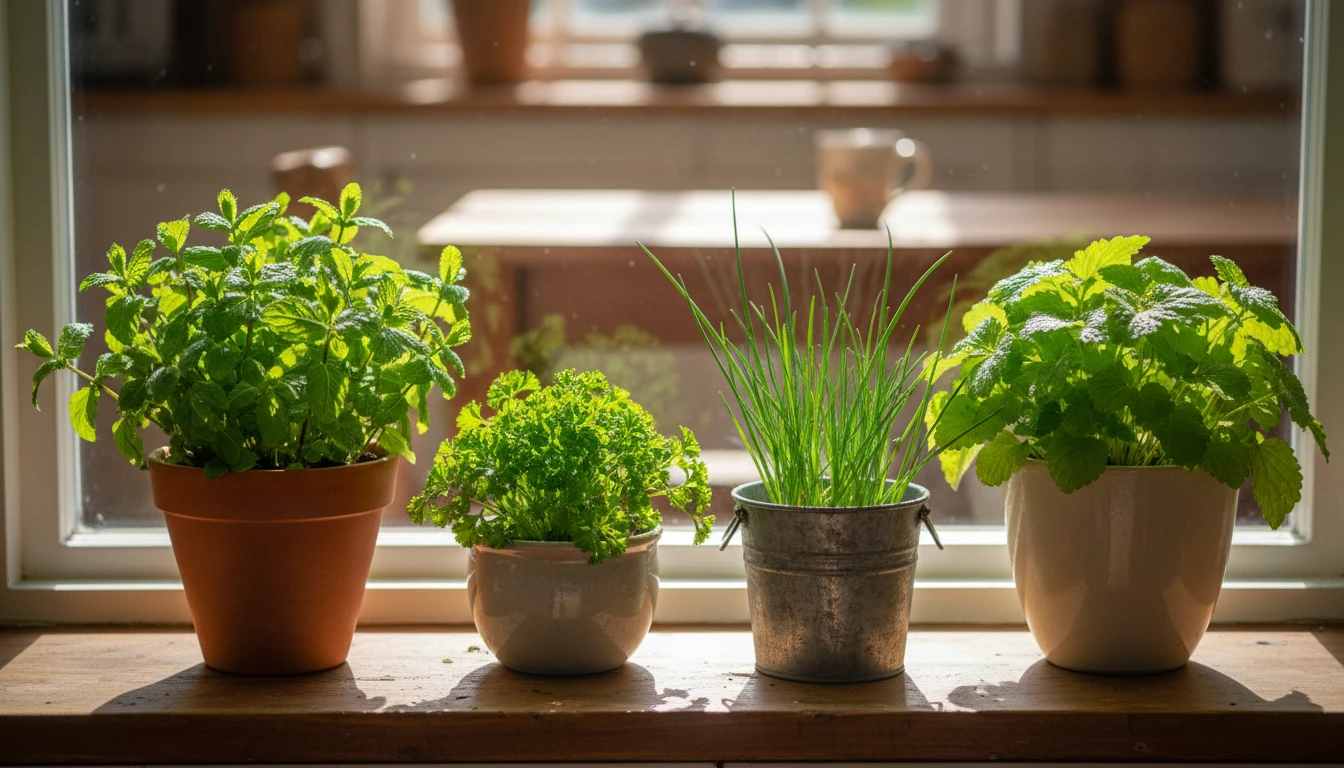
Mint is famously easy to grow and one of the most forgiving herbs for beginners. In fact, its vigorous growth is why it's best kept in its own pot to stop it from taking over. Mint varieties are famous in India for their use in chutneys, raitas, and refreshing drinks. It tolerates shade well and prefers consistently moist soil. Water it when the top inch of soil feels dry. To encourage a bushier plant, pinch off the top leaves regularly. This not only promotes new growth but also gives you a steady supply for your kitchen creations. Starting with a small plant from a nursery is often easier than growing from seed.
The Aromatic Four: Parsley (Ajamoda)
Both curly and flat-leaf parsley are excellent choices for a low-light windowsill. Parsley is a workhorse in the kitchen, adding fresh, clean flavour to almost any dish. While it does best with bright light, it is known for being durable and can handle partial shade. In fact, some shade can prevent its leaves from scorching. Parsley requires a pot that is deep enough to accommodate its long taproot. Keep the soil consistently moist but not waterlogged. You can start harvesting the outer leaves once the plant is established, which encourages new growth from the centre.
The Aromatic Four: Chives
Chives offer a mild, delicate onion flavour that's perfect for garnishing soups, salads, and egg dishes. They are incredibly resilient and one of the most forgiving herbs for low-light conditions. They grow in grassy clumps and are easy to maintain indoors. Like the other herbs on this list, chives prefer a spot with bright, indirect light but will manage in shadier spots, though their growth might be slower. Regular trimming is key; snip the leaves from the base of the plant. This not only gives you fresh chives for your meals but also encourages the plant to keep producing new, tender shoots.
The Aromatic Four: Lemon Balm
A member of the mint family, lemon balm brings a delightful, citrusy aroma to your home. Its leaves can be used to make calming teas or add a zesty twist to water and salads. Lemon balm is easy to grow and tolerates a range of conditions, including partial shade. Like mint, it can spread, so containing it in a pot is a good idea. It prefers moist, well-draining soil and will do well on a windowsill that gets a few hours of sunlight a day. If you notice the plant starting to flower, pinch the blossoms off to encourage more leaf production and maintain the best flavour.
Care and Harvesting Tips
The secret to a thriving windowsill garden is consistent care, not constant effort. Water your herbs when the top inch of soil feels dry to the touch, but avoid letting them sit in water-filled saucers. Since these herbs are growing in lower light, they won't need as much water as sun-loving plants. Rotate the pots every few days to ensure all sides of the plant get some light, which prevents them from leaning. The best part of an herb garden is harvesting. Regularly snipping leaves from your plants—making sure not to take more than one-third of the plant at a time—will encourage them to become fuller and more productive, providing you with fresh flavours for weeks to come.