


The Ultimate Logistical Hurdle
Establishing a human presence on Mars is less about the journey and more about what happens after landing. A primary challenge is the immense cost and impracticality of shipping essential resources from Earth. Water is especially problematic due to its
weight. While Mars has water ice that can be mined and melted, this process of in-situ resource utilization (ISRU) is energy-intensive and only part of the solution. Once water is secured, it becomes a resource too precious to use only once. For a Martian outpost to have any chance of becoming self-sufficient, it must perfect the art of recycling every possible drop, creating what engineers call a closed-loop life support system.
The Closed-Loop Lifeline
The concept of a closed-loop system is already a reality aboard the International Space Station (ISS). NASA's advanced water recovery systems can reclaim nearly 98% of the water from sources like astronaut breath, sweat, and urine, purifying it to standards that often exceed those of municipal tap water on Earth. This technology is the foundation for Martian life support. For missions to Mars, the goal is to create a fully bioregenerative system where nothing is wasted. This means integrating water and air purification with waste management and food production into a single, interconnected cycle. A system being tested at the University of North Dakota, for example, is designed to support long-duration missions by converting crew wastewater into reusable water and nutrient-rich resources for food production.
From Wastewater to Plant Food
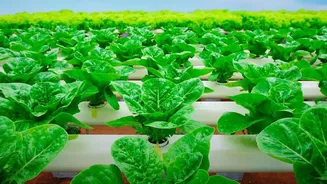
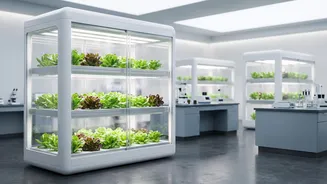
Farming on Mars will look very different from farming on Earth. Instead of open fields, think of hydroponic or aeroponic gardens inside pressurized habitats. This is where water recycling becomes crucial for agriculture. NASA is developing mobile treatment units that separate different types of wastewater to maximize efficiency. Greywater from sinks and showers, along with treated liquid waste, can be processed through a series of biological reactors and filters. These systems are designed not just to purify the water but also to recover essential nutrients from waste streams. The output is a nutrient-rich solution perfect for feeding crops in a hydroponic setup, effectively turning human waste into plant food and completing the loop from consumption back to production.
Martian-Specific Challenges
While the principles are proven, applying them on Mars introduces new hurdles. The Martian surface, or regolith, is not life-sustaining soil as we know it; it's a dry, lifeless dust that lacks organic matter. Early farming efforts will likely avoid it altogether in favor of soil-free methods. Furthermore, the high salinity found in some Martian water sources would require desalination before it could be used for crops. The extreme cold and thin, carbon dioxide-rich atmosphere also mean any agriculture must happen within heavily insulated and pressurized greenhouses, which demand significant energy to light and heat. These environmental factors make highly efficient, automated recycling systems not just a benefit, but a fundamental requirement for survival.
A New Agricultural Revolution
Successfully implementing closed-loop water recycling for agriculture on Mars would be more than a technological achievement; it would be the key to true independence from Earth. A reliable, internal food supply mitigates the immense risk and cost of resupply missions. It provides food security against the possibility of crop failure, which on Mars could be catastrophic. Beyond the practicalities, the ability to grow fresh food would offer a vital psychological boost to colonists living in a harsh, isolated environment. Solving the water problem for Martian farms is therefore the critical step in transforming a temporary outpost into a permanent, self-sustaining settlement. It is the unglamorous but essential technology that underpins the entire vision of a human future on the Red Planet.