

History's Tide at Fort Kochi and Bekal
To walk the shores of Fort Kochi is to trace the steps of centuries of global trade. The iconic Chinese fishing nets, or 'Cheenavala', stand like elegant, skeletal sculptures against the sky. Believed to have been introduced by Chinese traders around
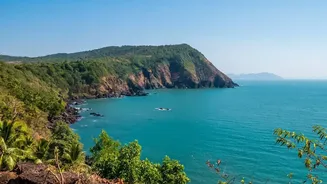
the 14th century, these massive cantilevered systems are a testament to a time when Kerala was a pivotal point on maritime routes connecting empires. Watching local fishermen operate them using a symphony of ropes and stone counterweights is to witness a tradition that has become a symbol of the city itself. Further north, the coastline grows more dramatic. At Bekal, a colossal keyhole-shaped fort rises from a headland, its laterite walls plunging directly to the sea. Built in the 17th century by the Nayakas of Keladi to defend the coast, this fortress tells a story of strategic power. A walk here, with the Arabian Sea crashing against ramparts once surveyed by the soldiers of Tipu Sultan and later the British, offers a powerful context for the region's turbulent history of conquest and control.
Where Geology and Spirituality Converge
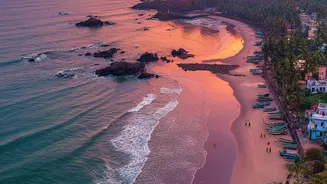
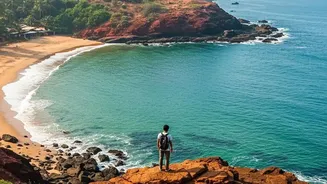
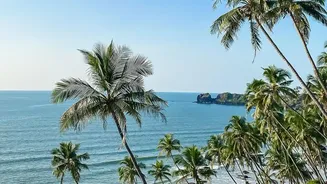
Not all of Kerala’s coastline is soft sand and swaying palms. Varkala presents a startlingly different landscape: majestic red laterite cliffs that stand firm against the sea. These cliffs are a geological marvel, the only place on India's west coast where such Cenozoic-era sedimentary formations are so clearly exposed. This 'Warkalli Formation' is a designated National Geological Monument, a layer cake of ancient history containing lignite seams and fossils. But this place is more than a scientific curiosity. The walk along the clifftop, bustling with cafes and yoga shalas, leads down to Papanasam Beach below. The name translates to 'destroyer of sins', and for centuries, it has been a sacred site for Hindu pilgrims who come to perform ancestral rites. Here, geology and spirituality are intertwined; the ancient rocks bear witness to timeless rituals, adding a profound spiritual dimension to any coastal journey.
The Quiet Rhythms of Marari Beach
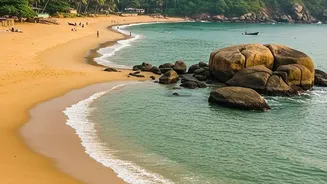
In stark contrast to the historical weight of Kochi or the spiritual buzz of Varkala is the serene expanse of Marari Beach. Named for the local fishing hamlet of Mararikulam, this stretch of coast offers a different kind of context: a window into the gentle, enduring rhythms of local life. This is not a place of grand monuments but of small, telling details. A walk at dawn reveals fishermen heading out to sea in small wooden boats, their silhouettes dark against the rising sun. Later in the morning, the beach becomes an informal marketplace as the day's catch is brought ashore and sold. Life in the surrounding villages has remained largely unchanged for generations, centered around the sea's bounty. Strolling past homes where nets are hung to dry and the air smells of salt and coir offers an immersion into a culture that remains deeply connected to its natural environment, providing a peaceful and authentic counterpoint to more tourist-focused destinations.
Kovalam and the Dawn of Modern Tourism
No coastal tour is complete without understanding its modern identity, and for that, one must visit Kovalam. This series of three crescent-shaped beaches was one of the first places in Kerala to capture the imagination of international travelers. Its journey began in the 1920s when it became a retreat for Travancore royalty, but it was the arrival of hippies on the trail to Ceylon in the 1970s that transformed this quiet fishing village into a global hotspot. A walk from the iconic Vizhinjam Lighthouse on the southern beach to the calmer northern shores tells the story of Kerala's evolution into 'God's Own Country'. It reflects the shift from a backpacker haven to a major destination for wellness and Ayurvedic tourism, lined with resorts and restaurants that cater to a global audience. This walk provides the final piece of context, showing how an ancient coastline has adapted and thrived in the modern era.