





Myth: You should skip moisturizer if your skin is oily.
This is perhaps the most common mistake people make during the rainy season. When your skin feels sticky and greasy due to high humidity, avoiding moisturizer seems logical. However, humidity and hydration are not the same. Skipping moisturizer can dehydrate
your skin, prompting your sebaceous glands to produce even more oil to compensate. This vicious cycle can lead to more clogged pores and breakouts. The key is not to skip this step, but to switch your product. Opt for a lightweight, non-comedogenic, gel- or water-based moisturizer that hydrates without adding extra grease. Ingredients like hyaluronic acid and niacinamide are excellent choices for maintaining the skin's moisture barrier during humid months.
Myth: Washing your face frequently will prevent pimples.
With all the sweat and stickiness, it’s tempting to wash your face multiple times a day. While cleansing is crucial, overdoing it can be counterproductive. Washing your face too often can strip the skin of its natural oils and damage the stratum corneum, its protective outer barrier. A compromised skin barrier can lead to dryness and irritation, which in turn can trigger more oil production and worsen acne. Dermatologists recommend sticking to a gentle, pH-balanced cleanser and washing your face no more than twice a day. This is sufficient to remove excess oil, dirt, and pollutants without causing irritation.
Myth: You don't need sunscreen on cloudy monsoon days.
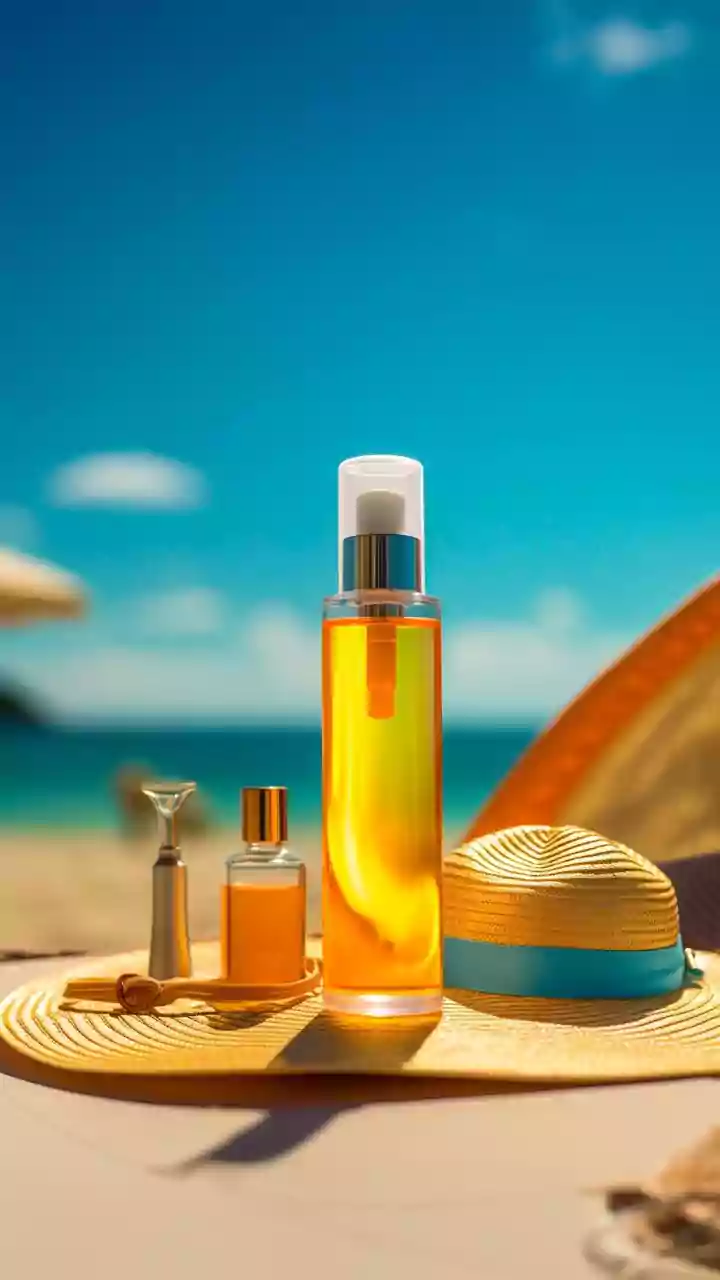
Don't let the cloud cover fool you; skipping sunscreen is a significant misstep. Up to 80% of the sun's harmful ultraviolet (UV) rays can penetrate clouds and cause skin damage. This exposure can lead to tanning, premature aging, and pigmentation issues. Furthermore, some acne treatments can make your skin more sensitive to the sun, making protection even more critical. To keep your skin safe, it is essential to use a broad-spectrum sunscreen with at least SPF 30 year-round, including during the monsoon. Look for lightweight, non-comedogenic, or water-based formulas that won't feel heavy or clog your pores in the humid weather.
Myth: Getting drenched in the rain is good for your skin.
The idea of a refreshing dance in the first rains is romantic, but it might not be the best for your skin. Today's rainwater, especially in urban areas, is often laden with pollutants and acidic particles. When this polluted water comes into contact with your skin, it can cause irritation, clog pores, and trigger acne flare-ups or even fungal infections. If you do get caught in a downpour, it's wise to take a shower and cleanse your skin and hair as soon as possible to wash away any lingering impurities.
Myth: Fried and greasy foods are the main cause of monsoon acne.
While a healthy diet is crucial for skin health, directly blaming the occasional plate of pakoras for your breakouts is an oversimplification. Research has not established a direct link between eating specific greasy foods and causing acne. However, diets high in sugar and refined carbohydrates can increase inflammation and insulin levels, which in turn can stimulate oil production and contribute to acne. During the monsoon, instead of completely banning comfort foods, focus on a balanced diet rich in antioxidants, omega-3 fatty acids, and zinc from sources like fruits, vegetables, nuts, and whole grains to support your skin from within. And remember, if you eat greasy food with your hands, be sure to wash them before touching your face to avoid transferring oil.