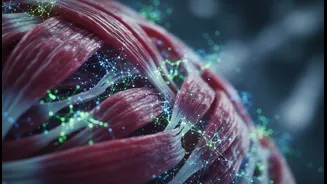

A Deeper Look Into Our Muscles
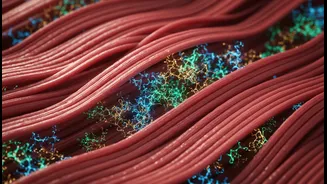
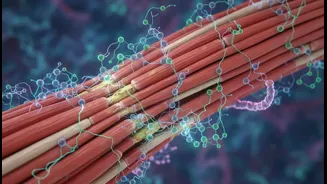
Scientists now have a powerful way to understand what happens inside our bodies when we exercise. It's called 'multi-omics' analysis, and it's a bit like creating a complete blueprint of our muscle's response to training. Instead of just looking at one
thing, like muscle size, it simultaneously examines genes, proteins, and metabolism. This comprehensive view, pioneered by large-scale research projects like the Molecular Transducers of Physical Activity Consortium (MoTrPAC), provides an incredibly detailed picture of how exercise, both endurance and resistance, sparks changes at a molecular level. The findings help explain not just that exercise is good for us, but precisely how it builds a healthier body from the inside out.
The Problem with 'Detraining'
The core of the issue with short fitness challenges is what happens when you stop. This period is known as 'detraining'. While a 30-day challenge might leave you feeling stronger, stopping abruptly can quickly reverse many hard-won gains at a cellular level. Studies on detraining show that while it may take some time for visible muscle size to decrease, the underlying cellular machinery can start to decline much faster. Things like insulin sensitivity and the efficiency of your muscle fibres begin to revert to their pre-training state. After weeks of inactivity, muscle fibres can shrink, particularly the fast-twitch fibres responsible for strength and power. So, while you might not lose all your progress overnight, the health benefits can fade faster than you think.
Consistency: The Key to Muscle 'Memory'
This is where consistent training shows its true value. Regular exercise doesn't just build muscle; it fundamentally changes the muscle's environment and its potential for the future. Even after a period of detraining, muscles that have been trained consistently in the past seem to respond more quickly when you start again. Some research suggests that long-term training increases the number of myonuclei—the control centres within muscle fibres. These nuclei don't seem to disappear during detraining, creating a form of 'muscle memory'. This means your muscles are primed to grow and adapt more efficiently when you return to exercise, making it easier to regain fitness. This long-term adaptation is something that short, one-off challenges simply cannot provide.
A Strategy for Fitness Lovers
For those who love to stay active, this science confirms what many have long suspected: sustainability is more important than short-term intensity. Instead of going all-out for a month and then burning out, the evidence points toward building a routine you can stick with. Combining aerobic exercise with about 90 to 120 minutes of resistance training per week appears to be a sweet spot for long-term health and longevity. This doesn't mean challenges are useless—they can be great for motivation. But they should be seen as a stepping stone to a more permanent routine, not the final destination. The goal is to create a fitness habit that becomes a non-negotiable part of your lifestyle.
The Ultimate Hack for Healthy Ageing
The principle of consistency is even more critical for healthy ageing. As we get older, we naturally lose muscle mass and strength in a process called sarcopenia. This decline can impact mobility, balance, and overall independence. Consistent resistance training is the single most effective tool to combat this. Studies show that regular strength training can slow, and sometimes even reverse, age-related changes in muscle fibres, even for those who start later in life. By maintaining muscle through regular, moderate activity, older adults can protect their bone density, reduce the risk of falls, and maintain a higher quality of life for decades. It's about building a 'muscle reserve' that helps you stay strong and resilient through the years.