

The Morning Plate Gets a Makeover
In bustling urban households, the quick convenience of Western-style breakfast cereals and toast has long dominated morning routines. However, a quiet but powerful culinary movement is taking root. A growing number of young Indians are consciously sidelining
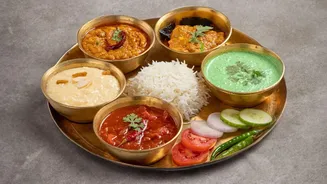
processed options in favour of the traditional breakfasts they grew up with. This isn't just about nostalgia; it's a deliberate choice driven by a renewed appreciation for health, flavour, and cultural identity. From fluffy idlis in the south to hearty aloo parathas in the north, these time-honoured dishes are moving from weekend treats to weekday staples, signalling a delicious rebellion against the one-size-fits-all morning meal.
Health, Heritage, and Hashtags
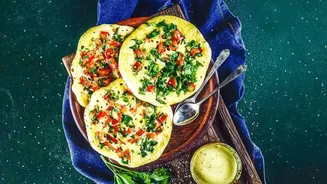
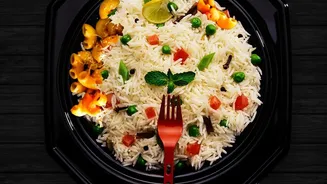
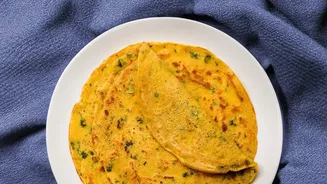
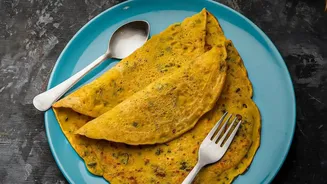
Several factors are fuelling this breakfast revival. Health is a major driver. Many traditional Indian breakfasts are inherently more nutritious than their processed counterparts. Dishes like dosa and idli are made from fermented batter, which is rich in probiotics and easy to digest. Options like poha (flattened rice) are light yet satisfying, providing sustained energy without the sugar crash associated with many cereals. Beyond nutrition, there is a strong element of cultural reconnection. For a generation living in a globalised world, traditional food offers a tangible link to their heritage. Social media has also played a crucial role. Food bloggers and influencers showcasing regional specialties have made dishes like Gujarat's khamni and Kerala's appam visually appealing and accessible to a national audience, sparking curiosity and encouraging people to explore the culinary diversity within their own country.
A Breakfast Tour of India
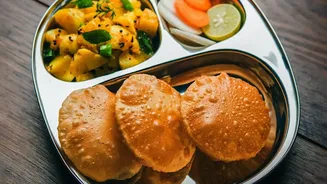
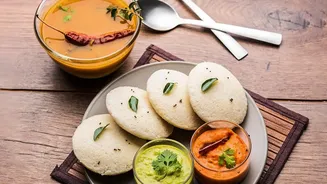
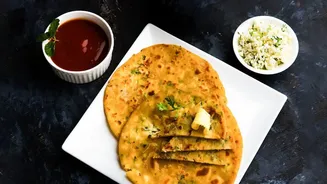
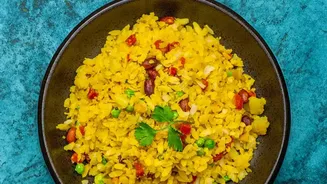
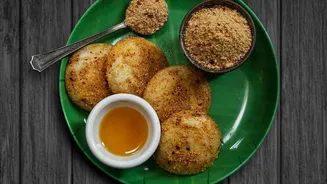
India’s breakfast landscape is as diverse as its geography. In the West, Maharashtrian households often start the day with Kanda Batata Poha, a simple but flavourful dish of flattened rice with onions and potatoes, or Sabudana Khichdi. Head north to Punjab, and you'll find the beloved Aloo Paratha, a whole-wheat flatbread stuffed with spiced potatoes and often served with a dollop of butter and curd. In the East, West Bengal offers luchi-torkari (deep-fried flatbread with curry). Travel south, and the options are endless. Tamil Nadu and Karnataka are famous for idli and dosa, served with fragrant sambar and a variety of chutneys. In Kerala, a popular choice is Appam, a soft, lacy pancake made from fermented rice batter, typically paired with a vegetable stew.
More Than Just a Meal
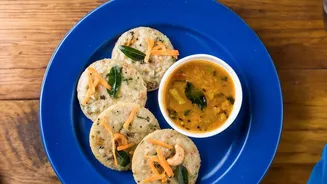
This return to tradition is about more than just what's on the plate. It represents a broader shift towards mindful consumption and an appreciation for slow food. While some argue that busy schedules make these meals impractical, many are finding that modern convenience can coexist with tradition. For instance, batters can be prepared in advance, and many dishes come together quickly. This movement is also a nod to sustainability, often utilising local, seasonal ingredients. By choosing a plate of poha or a bowl of upma, young Indians are not just opting for a healthier meal; they are casting a vote for culinary heritage, regional pride, and a more connected way of starting the day. It’s a recognition that the best way forward sometimes involves looking back.