



Hibiscus (Gudhal)
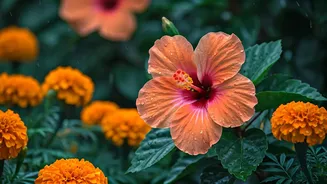
A classic favourite in Indian gardens, the Hibiscus truly comes alive during the monsoon. These tropical beauties love the extra moisture and humidity the rainy season provides. Their large, vibrant flowers in shades of red, pink, yellow, and white can
brighten up even the greyest of days. During the monsoon, they require significantly less attention. The frequent rains take care of their water needs, so you can put your watering can away unless you notice the soil becoming completely dry. The key is to ensure they are planted in well-draining soil, either in pots with drainage holes or in a garden bed that doesn't become waterlogged. This prevents root rot, their main enemy during this season.
Balsam (Impatiens)
Often called the 'monsoon flower', Balsam is practically synonymous with the rainy season in India. These cheerful, fast-growing annuals are incredibly easy to cultivate. You can sow their seeds directly into pots or garden beds at the beginning of the monsoon, and they will sprout and flower within weeks. They adore the high humidity and consistent moisture, producing an abundance of flowers that look like tiny roses. Their lush green foliage and colourful blooms provide a spectacular display with minimal intervention. Just provide them with a spot that gets a few hours of indirect sunlight. They are a perfect choice for beginners looking for quick, rewarding results during the rainy months.
Spider Plant (Chlorophytum comosum)
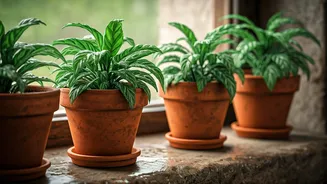
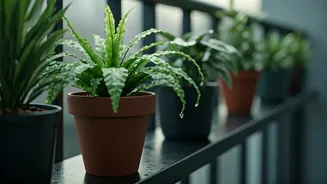
If you're looking for an indoor plant that is nearly foolproof, the Spider Plant is your answer. It's exceptionally resilient and forgiving, making it a star performer during the monsoon. Its arching leaves create a graceful, fountain-like effect, and it famously produces 'spiderettes' – baby plants that dangle from the mother plant, which can be easily propagated. Spider Plants are tolerant of a wide range of conditions, but they particularly appreciate the higher humidity of the monsoon. They are also less prone to root rot from accidental overwatering than many other houseplants. Just let the top inch of soil dry out between waterings, which will be infrequent during the humid season. They are also renowned for their air-purifying qualities.
Snake Plant (Dracaena trifasciata)
The Snake Plant, also known as Mother-in-Law's Tongue, has a reputation for being almost indestructible. Its tough, upright leaves make a bold architectural statement in any room. This plant is a succulent, meaning it stores water in its leaves, making it incredibly drought-tolerant. During the monsoon, its need for water is practically zero, especially if kept indoors where humidity is high. You might only need to water it once a month, if at all. It thrives on neglect and is an excellent choice for low-light corners of your home, which are more common during overcast monsoon days. Overwatering is the only real threat to a Snake Plant, so the best care you can give it this season is to simply leave it alone.
Peace Lily (Spathiphyllum)
With its elegant white spathes and glossy dark green leaves, the Peace Lily is a beautiful and low-maintenance addition to any home. These plants are native to tropical rainforest floors, so they are perfectly adapted to the low light and high humidity that characterize the Indian monsoon. They prefer consistently moist soil but are quite dramatic and will visibly droop when they need water, taking all the guesswork out of your care routine. The increased ambient moisture during the rains means you'll be watering them far less often. They are also fantastic air purifiers, helping to keep your indoor environment fresh and clean. Keep them out of direct sunlight to avoid scorching their leaves.
Money Plant (Epipremnum aureum)
No list of easy-care Indian houseplants would be complete without the ubiquitous Money Plant. This hardy vine is a staple in homes across the country for good reason. It is incredibly adaptable and thrives in the warm, humid conditions of the monsoon. Whether you grow it in soil or just a bottle of water, it continues to flourish with very little input. Its heart-shaped leaves add a touch of lush, trailing greenery to shelves, windowsills, or hanging baskets. During the monsoon, its growth often accelerates. If grown in soil, simply check for dryness before watering. Its resilience makes it the perfect starting point for anyone new to gardening, ensuring success and a boost of green confidence.