






Dhanteras is an auspicious time to welcome prosperity by purchasing new metals. To ensure your purchase of brass, copper, or steel utensils brings lasting value, a few simple checks can make all the difference. Here’s what to look for.
The Significance of Buying Metals
The tradition of
buying metals on Dhanteras is deeply rooted in Indian culture, symbolising the welcoming of Goddess Lakshmi, the deity of wealth and prosperity. This day, which marks the beginning of Diwali celebrations, also honours Lord Dhanvantari, the god of health. While gold and silver are popular choices, base metals like brass, copper, and steel are also widely purchased for their utility and auspicious nature. Making a thoughtful purchase is not just about adhering to tradition; it’s about bringing home an item of quality that is safe, durable, and offers true value, enhancing the festive spirit with a worthy investment.
How to Identify Quality Brass (Pital)
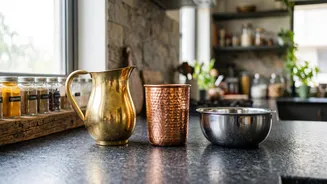
Brass, an alloy of copper and zinc, is prized for its durability and golden sheen. When shopping for brass utensils, the first thing to check is the weight. Genuine, high-quality brass feels substantial and heavy for its size. A lightweight item might indicate a mix with inferior metals. Another simple and effective method is the magnet test. Brass is non-magnetic, so if a magnet sticks to the utensil, it is likely brass-plated iron or steel. Listen to the sound it makes when tapped; pure brass produces a clear, ringing, bell-like sound, whereas fakes will sound dull. Visually inspect the piece for a uniform, muted yellowish-golden colour. A finish that looks too shiny or has an artificial gloss could be a sign of a lacquer coating or a different alloy. Finally, ask the seller for an assurance of purity. Reputable vendors are often willing to certify the authenticity of their products.
Verifying Pure Copper (Tamba)
Copper is valued for its health properties and distinct reddish-brown hue. The most reliable way to check for pure copper is with a magnet; genuine copper is not magnetic. If the magnet is attracted to the vessel, it's a clear sign of a copper-plated item with an iron core. Pure copper is also a dense metal, so a real copper utensil will feel heavier than it looks compared to steel or aluminium alternatives of a similar size. Examine the colour closely. Authentic copper has a unique pinkish or reddish tone, unlike the yellow of brass or the brown of bronze. Overly shiny or golden-looking surfaces may indicate a coating. For cookware or water storage vessels, check the interior. To prevent reactions with acidic foods, cooking utensils made of copper should have a tin lining (kalai) on the inside. If the inside is the same reddish-orange as the outside, it is unlined and should only be used for decorative purposes or serving dry foods.
Choosing the Right Stainless Steel
Stainless steel is a kitchen staple, but not all steel is created equal. The quality is determined by its grade, which indicates its composition and durability. For food_related use, look for utensils made from 304 grade, also known as 18/8 or 18/10 stainless steel. This information is often stamped on the product or its packaging. This grade contains 18% chromium and 8–10% nickel, making it highly resistant to rust and corrosion. Avoid the 200–series grades for direct food contact, as they have less nickel and are more prone to rusting. A high–quality steel utensil should feel solid and sturdy, not flimsy or easily bent. The finish should be smooth, without any rough edges, pits, or scratches. While some austenitic steels (like 304 grade) are largely non–magnetic, some can become slightly magnetic after the manufacturing process, so the magnet test is less definitive for steel than for copper or brass.
The Importance of the ISI Mark
To ensure quality and safety, the Bureau of Indian Standards (BIS) has made the ISI mark mandatory for many kitchenware products sold in India. This certification confirms that the product complies with Indian standards for material composition, safety, and performance. When purchasing stainless steel or aluminium utensils, look for the ISI mark on the product. A genuine mark will include the ISI monogram, the relevant Indian Standard (IS) number, and a license number. This mark serves as a reliable guarantee of quality, giving you confidence that the utensil is safe for food contact and built to last. For metals like brass and copper, where the ISI mark may not be applicable, relying on the physical checks and purchasing from reputable sellers remains crucial.