



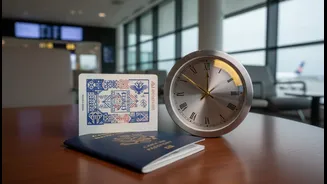



The New Rule: 30 Days, Visa-Free
Let’s start with the most important fact. As of mid-July 2026, Indian passport holders can enter Thailand for tourism without a visa and stay for up to 30 days. This is a visa-exemption scheme, which is different from a Visa on Arrival (VoA). You do not
need to apply beforehand or pay a fee upon landing for this specific entry. The decision was confirmed by the Thai cabinet on July 14, 2026, clarifying the situation after a period of uncertainty. This new 30-day allowance replaces the previous, more generous 60-day visa-free period that had been in effect. The government's stated goal was to align the rule with the average travel duration of Indian tourists, which is typically much shorter than 30 days.
Myth: Visa-Free Travel for Indians Is Cancelled
This is the biggest piece of misinformation that the latest announcement clears up. It is not true. In May 2026, the Thai government had indeed approved a proposal to scrap the longer 60-day visa-free scheme and potentially move India back to the Visa on Arrival category. However, this proposal was never officially implemented. The mere suggestion of it caused significant confusion and a noticeable decline in tourist arrivals from India, which is one of Thailand’s largest tourism markets. Realizing the economic impact, Thai authorities reversed course, opting instead to keep the visa-free facility but shorten its duration. So, to be clear: visa-free travel is very much alive, just with a 30-day cap.
Fact: Key Entry Conditions Still Apply
While you don't need a visa sticker in your passport, arriving with just your passport is not enough. A visa-free stamp is still subject to standard immigration checks. Officials have the right to ask for proof of onward travel, such as a confirmed flight ticket out of Thailand within 30 days. They can also ask for proof of accommodation. Crucially, travellers are expected to have sufficient funds for their stay. Reports suggest that immigration officers may ask for proof of funds equivalent to around 20,000 Thai Baht per person, and this may need to be in cash. While not every traveller is checked, you should be prepared to present this if asked to ensure a smooth entry.
Myth: A 30-Day Stay Is Guaranteed
A visa-free policy grants you the right to travel to a country's port of entry and request admission; it is not a guarantee of entry or a guaranteed 30-day stay. The final decision rests with the immigration officer on duty. If you cannot produce proof of an onward ticket, sufficient funds, or if your purpose for visiting seems unclear, you can be denied entry. The 30-day period is the maximum time allowed, not an automatic entitlement. It's essential to arrive with all your documents in order and answer any questions from immigration officials clearly and honestly. This is standard procedure for international travel globally, and Thailand is no exception.
Fact: This Policy Could Change Again
International visa policies are fluid and often change based on diplomatic relations, security concerns, and economic factors. The Thai government’s recent actions demonstrate this perfectly. When announcing the new 30-day rule, Thailand’s Tourism Minister was quoted as saying, "If problems arise from this measure in the future, the government can review it then." This is a clear signal that the policy is not set in stone forever. It serves as a reminder for all travellers to always check the very latest visa requirements with an official source, such as the Royal Thai Embassy or its official website, before booking flights or accommodation.