


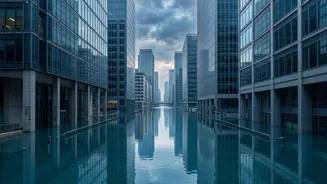


A Nation on the Edge
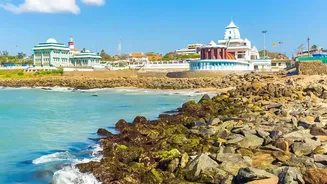
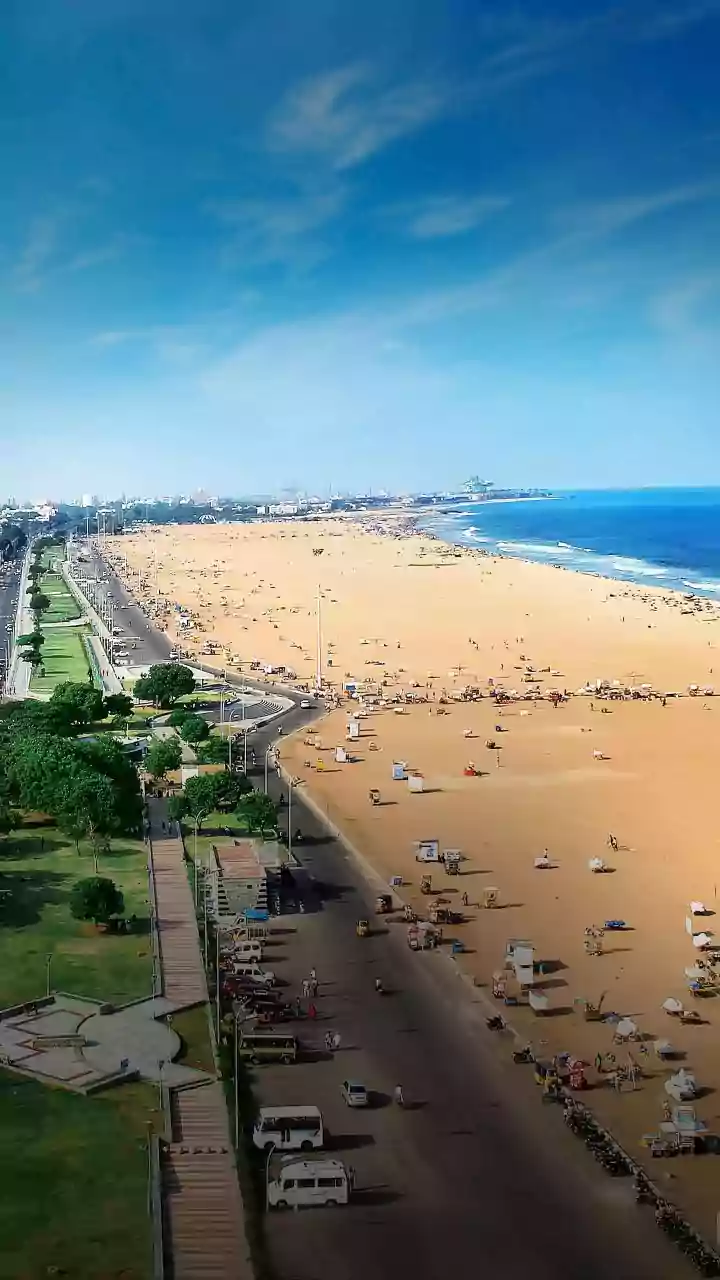
India's extensive coastline, recently revised to be over 11,000 km, is one of the nation's most critical assets. It is home to approximately 170 million people and hosts major cities like Mumbai, Chennai, and Kolkata, along with vital economic infrastructure
such as ports, fisheries, and tourism hubs. About 15% of India's population lives in coastal districts, which are centres of immense economic activity and rich biodiversity, including fragile ecosystems like mangroves and coral reefs. This dense concentration of people and economic assets makes the coastline not just a geographical feature but the frontline of India’s battle with climate change.
The Slow Creep of a Rising Sea
One of the most relentless threats is sea-level rise. Driven by melting glaciers and warming oceans, the sea along India's coast is rising at an accelerating rate. While an average of a few millimetres per year may sound insignificant, its cumulative effect is devastating. Projections indicate that sea levels around India could rise by nearly a metre by 2100 under high-emission scenarios, threatening to inundate low-lying areas permanently. Cities like Mumbai, Kochi, and Chennai are already facing this reality, with studies warning that significant parts of their land area are at risk of submergence in the coming decades. This isn't a distant problem; between 1990 and 2016, India lost over 235 square kilometres of land to coastal erosion, a direct consequence of the advancing sea.
Supercharged Storms, Devastating Impacts
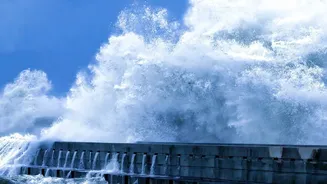
Climate change is also making extreme weather events more frequent and intense. Tropical cyclones forming over the increasingly warm waters of the Bay of Bengal and the Arabian Sea now carry more destructive power. While the overall number of cyclones has varied, scientists have noted a clear trend towards more high-intensity storms over the last two decades. States like Odisha, West Bengal, and Andhra Pradesh have been particularly vulnerable. These supercharged storms bring not only high-speed winds but also massive storm surges—walls of seawater that flood coastal areas, destroying homes, contaminating agricultural land with salt, and devastating livelihoods. The damage extends beyond the immediate aftermath, leading to prolonged soil degradation and loss of biodiversity.
The Ripple Effect Across the Nation
The crisis on the coast doesn't stay on the coast. The impacts ripple inland, affecting the entire country's economic and social fabric. When coastal agriculture is ruined by saltwater intrusion, it threatens food security. When major ports are damaged, national and international supply chains are disrupted. The displacement of coastal communities creates a new class of climate refugees, who often migrate to already overburdened inland cities in search of work, frequently ending up in the informal economy with little social protection. Between 2008 and 2018, millions of Indians were displaced annually, largely due to flooding. The economic losses from damage to infrastructure and the cost of rehabilitation place a massive burden on the national exchequer.
Beyond Seawalls and Barriers
Addressing this challenge requires more than building concrete walls. India's strategy is evolving to a multi-pronged approach that includes engineering solutions, policy changes, and nature-based defences. This includes restoring and protecting natural barriers like mangrove forests, which are incredibly effective at buffering shorelines against storm surges. The government has launched initiatives like the National Coastal Mission to create integrated management plans, assess vulnerabilities, and build resilience. These efforts focus on enhancing the ability of coastal communities to cope with climate impacts through climate-adaptive livelihoods and strengthening institutional frameworks for a more holistic response.