






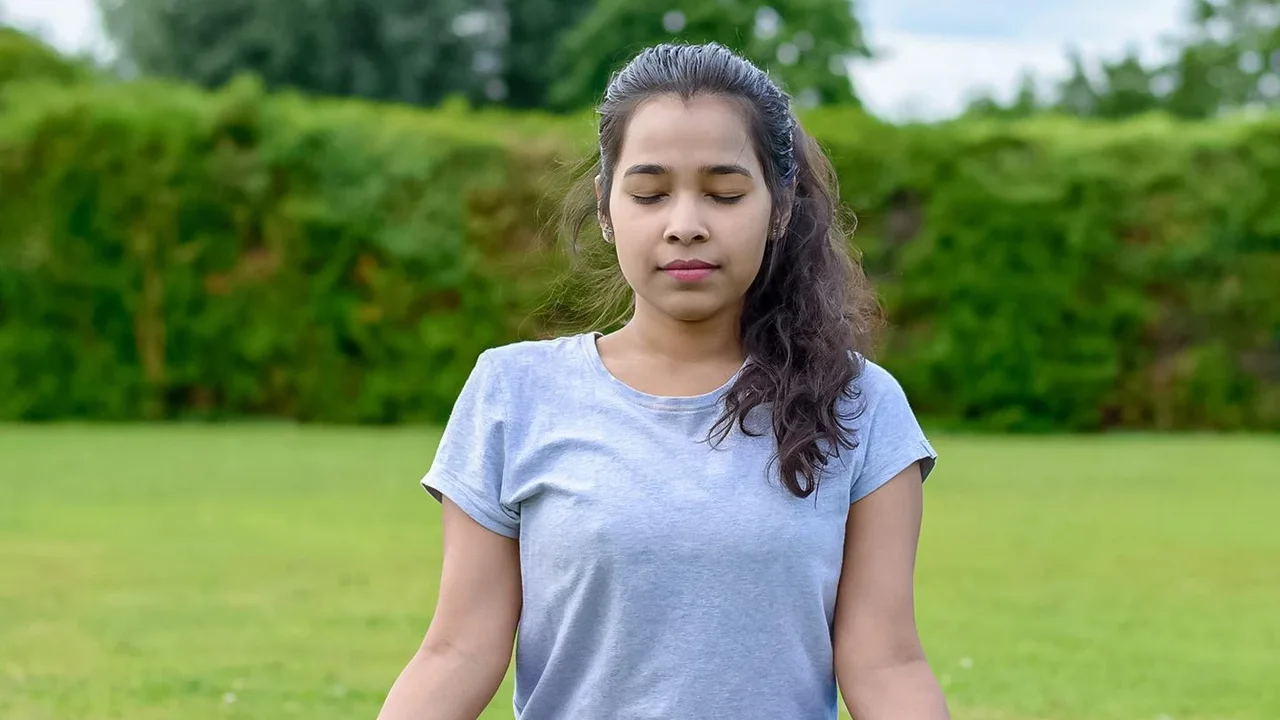
Navigating the Stress of Success
In today's highly competitive academic environment, students are under immense pressure to perform. This constant drive for high marks, combined with peer competition and parental expectations, can lead to significant stress and anxiety. This mental burden,
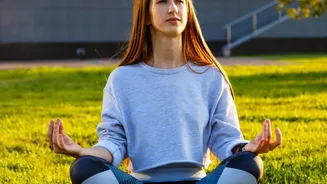
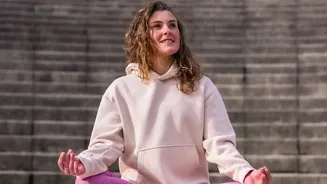
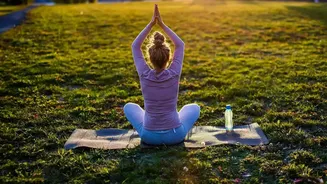
if unmanaged, can negatively impact concentration, memory, and overall well-being. The adolescent brain is particularly vulnerable to stress as the prefrontal cortex, which governs impulse control and decision-making, is still developing. Yoga provides a practical toolkit to counteract these pressures, helping teens manage their stress response and fostering a healthier approach to their academic lives.
The Science of Calm
How exactly does a few minutes of stretching and breathing make a difference? When we are stressed, our body's fight-or-flight response is activated, flooding our system with the stress hormone cortisol. Yoga, through its combination of physical postures (asanas) and controlled breathing (pranayama), helps to soothe the nervous system. Studies have shown that regular yoga practice can lower stress and anxiety levels. It increases the levels of neurotransmitters like GABA, which helps regulate mood and promotes a sense of calm. This shift from a state of high alert to one of relaxation allows the mind to function with greater clarity and less emotional reactivity.
Enhancing Focus and Memory
The benefits of yoga extend directly into the classroom. The practice's emphasis on mindfulness—paying attention to the present moment without judgment—is a form of brain training. Poses that require balance and concentration, like Tree Pose, teach the mind to filter out distractions and stay focused. This improved ability to concentrate translates directly to better study habits and academic performance. Research indicates that students who practice yoga show improvements in attention span, memory recall, and the ability to manage exam-related anxiety. By learning breathing techniques, a student can even calm a racing mind in the middle of an exam hall.
Four Simple Poses to Begin
Starting a yoga practice doesn't require complex routines. Just a few minutes a day can have a profound impact. Here are four simple poses perfect for a quick study break: 1. Mountain Pose (Tadasana): Stand tall with feet together or hip-width apart. Ground your feet, engage your thighs, and lengthen your spine. This simple pose improves posture and focus. 2. Cat-Cow Stretch (Marjariasana-Bitilasana): Start on your hands and knees. As you inhale, drop your belly and look up (Cow). As you exhale, round your spine and tuck your chin (Cat). This synchronises breath with movement and relieves tension in the back. 3. Tree Pose (Vrikshasana): Stand on one leg and place the sole of your other foot on its inner ankle or calf (avoiding the knee). Bringing your hands to your chest helps improve balance and concentration. 4. Child's Pose (Balasana): Kneel, sit back on your heels, and fold forward, resting your forehead on the floor. This is a resting pose that calms the mind and relieves stress in the back and shoulders.
Breathing for Instant Calm
Pranayama, or breathwork, is a cornerstone of yoga that can be practiced anywhere, anytime. For immediate stress relief, try the Humming Bee Breath (Bhramari). Sit comfortably, close your eyes, and place your index fingers on the cartilage of your ears. Inhale deeply and, as you exhale, make a low-pitched humming sound, like a bee. This practice is known to calm the nervous system, reduce anxiety, and release cerebral tension. Another simple technique is Deep Belly Breathing, which involves slowly inhaling to fill the abdomen with air and then exhaling completely. This simple act can slow a racing heart and bring the mind into the present.