




Meet the Pest: Fungus Gnat or Fruit Fly?
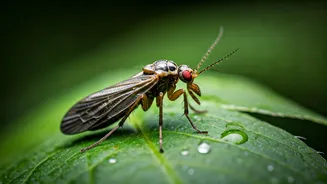
Before you can solve the problem, it's crucial to identify your tiny trespasser. While often mistaken for fruit flies, fungus gnats are different. Fruit flies are typically tan-brown with round bodies and noticeable red eyes, and you'll find them congregating
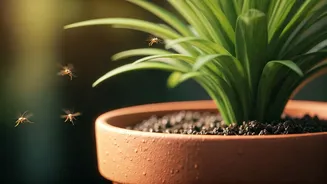
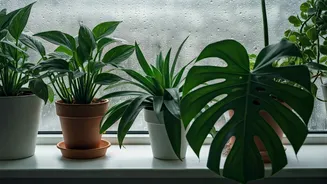
around overripe fruit or the kitchen bin. Fungus gnats, however, are slender, black or dark grey, and have long legs, resembling tiny mosquitoes. Their territory is not your fruit bowl, but the soil of your potted plants. If you see small flies hovering around your houseplants or walking on the soil, you're dealing with fungus gnats. The adult flies are weak fliers and more of a nuisance than a threat; they don't bite humans or animals. The real problem lies beneath the soil surface.
Why the Monsoon Creates a Fungus Gnat Boom
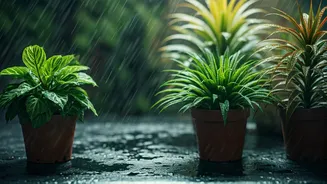
Fungus gnats thrive in moist, humid conditions, making the monsoon season their ideal breeding period. Female gnats lay hundreds of eggs—up to 200 at a time—in the top layer of damp soil. The increased humidity in the air means the soil in your indoor pots takes much longer to dry out. This consistently moist environment encourages the growth of soil fungi and decaying organic matter, which is the primary food source for their larvae. This perfect storm of moisture and food allows their life cycle, which can be as short as three to four weeks from egg to adult, to accelerate, leading to a sudden population explosion in your home.
The Two-Front War: Targeting Larvae and Adults
A successful campaign against fungus gnats requires a two-pronged attack: you must eliminate both the flying adults and the root-munching larvae. Simply swatting the adults you see won't solve the infestation, as the next generation is already developing in the soil. Most of the gnat's life is spent in the larval and pupal stages, so targeting the soil is the most effective long-term strategy. Simultaneously, trapping the adults will prevent them from laying more eggs, breaking the reproductive cycle. Combining these methods is the key to getting rid of them for good.
Step 1: Declare War on the Larvae in the Soil
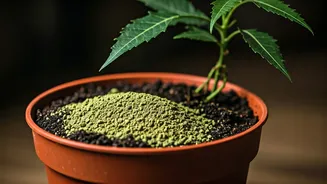
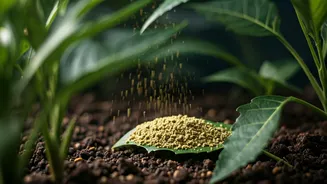
First, let your soil dry out. This is the most crucial step. Since larvae need moisture to survive, allowing the top two inches of soil to become completely dry between waterings will create an inhospitable environment and kill them off. For a more active approach, a hydrogen peroxide drench can be very effective. Mix one part 3% hydrogen peroxide with four parts water and use it to water your plants. The solution kills larvae on contact without harming the roots. Another popular method among Indian gardeners is using a neem cake (neem ki khali) solution. Soaking neem cake powder in water overnight and then using that water for your plants acts as a potent natural insecticide against larvae.
Step 2: Trap the Flying Adults
While you treat the soil, you need to catch the existing adults. Yellow sticky traps are highly effective, as fungus gnats are attracted to the colour yellow. Place these traps on stakes in the soil or hang them near affected plants. You can also make a simple DIY trap at home. Fill a shallow bowl with apple cider vinegar, a little sugar, and a few drops of dish soap. The gnats are lured by the vinegar's fermented scent, but the soap breaks the liquid's surface tension, causing them to sink and drown. Place these traps near your plants to reduce the adult population quickly.
Long-Term Prevention and Plant Care
Once the infestation is under control, prevention is key. Always avoid overwatering; it's the number one cause of fungus gnat problems. Ensure your pots have good drainage. You can also add a top layer of sand or diatomaceous earth to the soil surface. This layer dries out quickly and creates a physical barrier that deters adult gnats from laying eggs. When bringing a new plant home, quarantine it for a week or two to ensure you're not introducing a new infestation. Improving air circulation around your plants with a small fan can also help the soil surface dry out faster.