
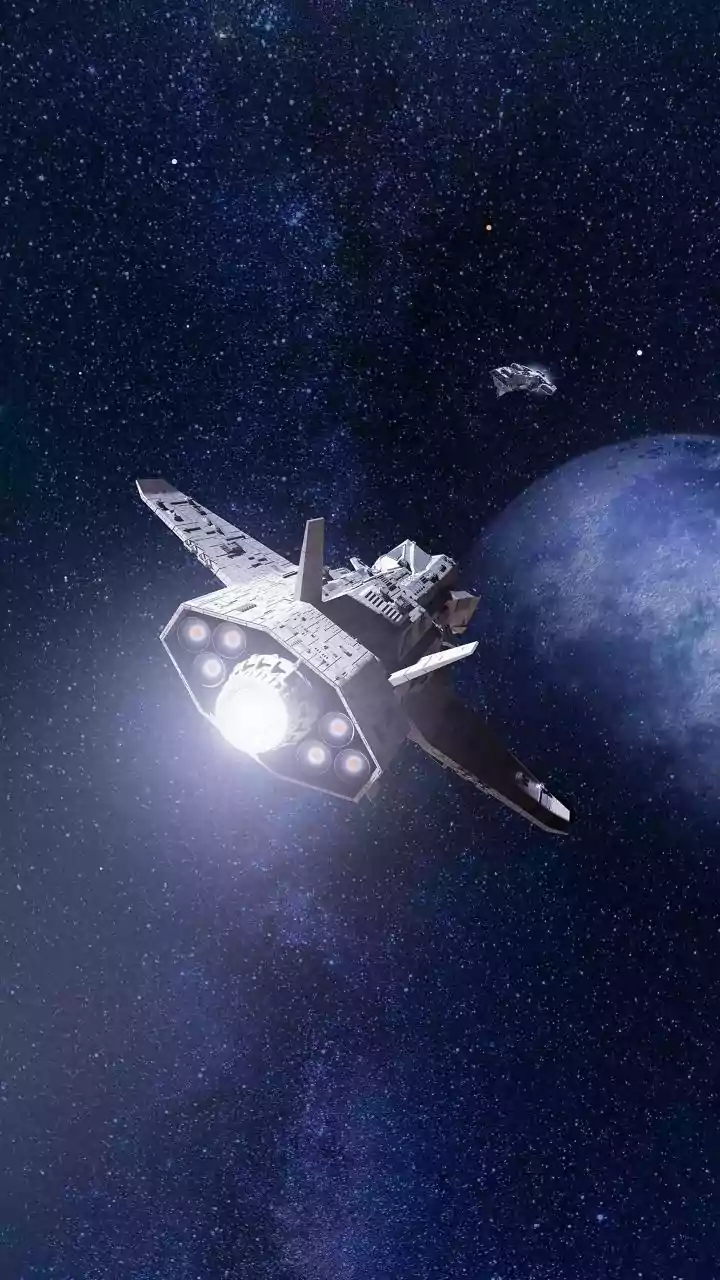



Why Space is a Medical Challenge
Space is an unforgiving environment for the human body, which evolved for life under Earth's gravity. In microgravity, astronauts experience a host of physiological changes that mimic accelerated aging. Bones lose density at a rapid rate, muscles weaken
and atrophy, and the cardiovascular system deconditions. Bodily fluids shift towards the head, which can affect vision and balance. Added to this are the psychological stresses of isolation and confinement, and exposure to space radiation. To ensure the success of long-duration missions, like those planned for India's upcoming Bharatiya Antariksh Station, scientists must find ways to counteract these effects. This necessity is driving a wave of innovation.
A Mirror for Earthly Ailments
Many of the health challenges faced by astronauts are startlingly similar to common diseases on Earth. For instance, the bone density loss experienced by astronauts, at a rate of 1-2% per month, is a powerful model for understanding and treating osteoporosis, a condition affecting millions of elderly people. Similarly, the muscle atrophy and cardiovascular deconditioning seen in space are relevant to patients on long-term bed rest or those with chronic heart conditions. By studying these processes in astronauts, researchers gain unique insights into disease progression and can test countermeasures that might later be adapted for terrestrial use. ISRO's collaborations with premier institutions like AIIMS and Sree Chitra Tirunal Institute for Medical Sciences & Technology (SCTIMST) are focused on exactly these areas.
The Rise of Remote Healthcare
How do you treat a patient who is 400 kilometres away, orbiting the Earth at high speed? The answer is telemedicine, a field that ISRO has pioneered in India since 2001. Long before it became mainstream, ISRO used its satellite network to connect remote rural hospitals with specialty hospitals in major cities. The systems being developed for the Gaganyaan mission are the next evolution of this concept. These include sophisticated wearable sensors that continuously monitor vital signs, compact diagnostic tools, and robust communication protocols for consulting with doctors on the ground. These technologies provide a blueprint for enhancing healthcare access across India, especially in rural and underserved areas where the doctor-to-patient ratio is low. Mobile telemedicine units, leveraging ISRO's satellite capabilities, are already providing services like cardiology, radiology, and general medicine in remote locations.
Innovations from the Final Frontier
The benefits don't stop there. The need to create lightweight, durable, and low-cost medical solutions for space missions has already led to several useful spinoffs. Through its technology transfer program, ISRO has contributed to the development of products like a low-cost bionic limb, artificial polyurethane feet, and even ventilators. The strict quality control and system management protocols used in the space program are also being studied by Indian hospitals to improve safety and efficiency in critical care units. Furthermore, research into areas like radiation biology, vital for protecting astronauts from cosmic rays, has applications in assessing cancer risk and improving the safety of radiotherapy on Earth. The collaboration between ISRO and AIIMS also extends to behavioural health, genomics, and immunology, all of which are critical for long-duration spaceflight and hold immense value for terrestrial medicine.