



The Frustration of the Mismatched Shade
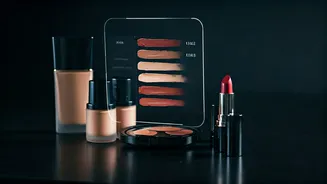
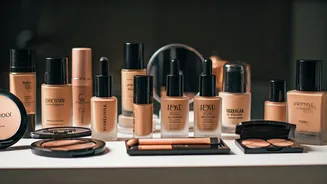
For years, buying foundation or lipstick has been a game of chance. You swatch a shade on your wrist under the harsh glare of store lighting, only to get home and realise it’s a completely different colour in natural daylight. The result is wasted money
and a collection of barely-used products. This challenge is especially true for online shopping, where you can't physically test the product. Relying on influencer videos or website swatches is often a shot in the dark, as colours can look vastly different depending on their screen and your skin tone. This common problem has left many customers wishing for a better way to find their perfect match without the trial and error.
How AI and AR Are Changing the Game
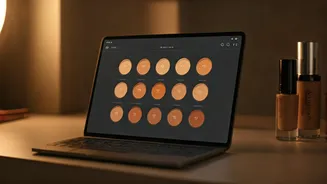
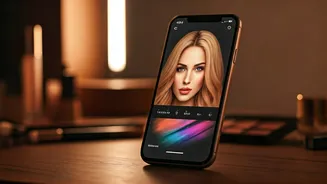
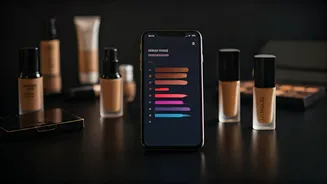
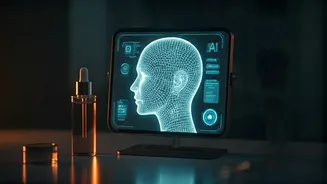
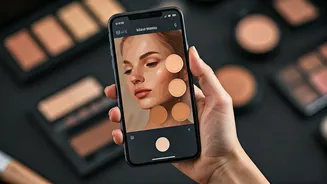
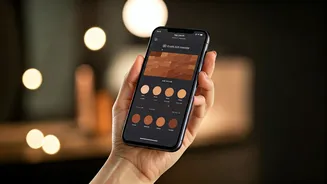
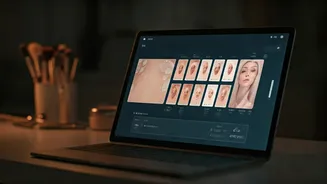
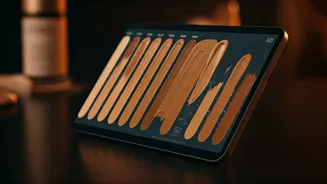
Artificial intelligence (AI) and augmented reality (AR) are stepping in to solve this age-old dilemma. Using just your smartphone's camera, these technologies bring the makeup counter to your living room. Virtual try-on (VTO) tools scan your face in real time, detecting key features like your lips, eyes, and overall facial structure. The technology then overlays digital versions of lipstick or foundation directly onto your live video or selfie. Companies like L'Oréal have heavily invested in this area, acquiring tech firms like ModiFace to create hyper-realistic simulations. These platforms analyze thousands of pixels from your skin to recommend the most accurate foundation shade, taking into account your unique skin tone and undertones.
Your Personal Makeup Artist, in Your Pocket
The benefits of these AI-powered tools are huge. The most obvious is convenience—you can try on dozens of shades in seconds from anywhere, without making a mess or worrying about hygiene from shared store testers. This 'touchless' experience became especially important in recent years, allowing people to shop with confidence from home. Brands that have adopted this technology, such as Maybelline, Estée Lauder, and even Indian e-commerce giant Nykaa, report that it empowers customers to make better purchase decisions. The goal is to create a more personalised and engaging shopping journey, reducing the number of product returns due to shade mismatches.
Is the Technology Perfect?
While AI shade-finders are a massive leap forward, they aren't flawless. The accuracy of the match can depend heavily on external factors. The quality of your smartphone's camera and, most importantly, the lighting conditions in your room can significantly impact the result. For the best outcome, it's recommended to use the tool in natural daylight. Furthermore, a virtual try-on can't replicate the texture, feel, or wear-time of a product. It shows you the colour, but you won't know if a foundation is too drying or a lipstick feels sticky until you try the physical product. Some users have found discrepancies, meaning the technology is still more of a powerful guide than a perfect science.
The Future of Beauty Shopping in India
In India, the adoption of beauty tech is growing rapidly. Major online platforms like Nykaa have integrated L'Oréal's ModiFace technology, allowing users to virtually try products from a wide range of brands. Nykaa has even launched a 'Skin Scan' feature that uses AI to analyze selfies and provide a detailed report on various skin concerns, recommending products accordingly. Other brands popular in India, like Maybelline, also offer foundation finders on their websites. As AI models become more sophisticated and trained on more diverse datasets, their accuracy will continue to improve, making them even more inclusive and reliable for the wide spectrum of Indian skin tones.