





The 'Keep' Pile: What to Save
The foundation of a great scrap broth lies in choosing the right ingredients. For a balanced, aromatic stock, focus on collecting flavourful basics. Onion skins and ends are fantastic as they provide a deep, golden colour and savoury base. Carrot peels
and ends add sweetness, while celery leaves and bottoms bring a classic, earthy note. Don’t forget about mushroom stems, which offer a rich, umami depth that you can’t get from many other vegetables. The woody stems from fresh herbs like parsley, coriander, and thyme are also excellent additions, infusing the broth with fresh, bright flavours. Other valuable scraps include leek tops (well-washed), garlic skins, corn cobs, and the peels and ends of winter squash.
The 'Avoid' List: Scraps to Skip
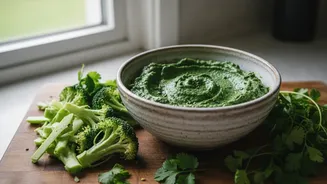
Just as important as knowing what to save is knowing what to leave out. Certain vegetables can make your stock bitter, cloudy, or overpowering. The main culprits are cruciferous vegetables like broccoli, cauliflower, cabbage, and Brussels sprouts. When simmered for a long time, they release sulfurous compounds that can give the broth an unpleasant taste. It's also wise to avoid starchy potato peels in large quantities, as they can make the stock gummy and cloudy. While some sources say a few are fine, too many can ruin the texture. Beet peels are another one to skip unless you want a vibrant pink broth with a very strong earthy flavour. Finally, avoid anything that is mouldy, rotten, or spoiled; while you're using scraps, they should still be clean and fresh.
The Golden Rule of Storage: Freezing
Refrigerating scraps is fine if you plan to make broth within a week, but for long-term collection, the freezer is your best friend. Freezing locks in the flavour and prevents the scraps from spoiling. The best method is to keep a large, reusable freezer bag or an airtight container in your freezer dedicated to scraps. Every time you cook, simply add your clean peels, stems, and ends to the bag. Squeeze out as much air as possible before sealing it to help prevent freezer burn. This 'scrap bag' system makes it incredibly easy to build a collection over time without cluttering your fridge. You can keep adding to the bag for up to six months, though using it within three to four months will yield a fresher-tasting broth.
Tips for a Clean and Easy Collection
To make this a seamless part of your kitchen routine, a little prep goes a long way. Start by thoroughly washing all your vegetables before you peel or chop them. This ensures that any dirt, especially from root vegetables like carrots or on onion skins, is removed before the scraps go into your storage bag. A helpful habit is to keep a small bowl or container on your counter as you prepare meals. Toss your usable scraps into this bowl as you go. Once you're done cooking, it only takes a moment to transfer the contents of the bowl into your main freezer bag. This prevents you from having to open and close the freezer multiple times and turns the process into a simple, daily habit.
From Frozen Scraps to Flavourful Broth
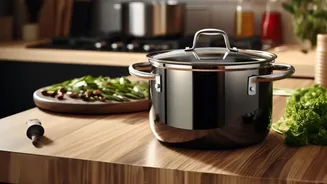
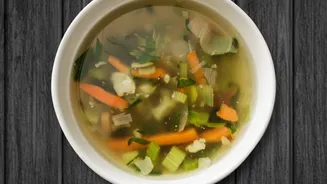
Once your freezer bag is full—aim for about 8 to 10 cups of scraps—you're ready to make your zero-waste soup. There's no need to thaw the scraps. Simply empty the frozen contents of the bag into a large stockpot. Cover the scraps generously with cold water, ensuring they are all submerged. You can also add whole peppercorns, a bay leaf, or a piece of kombu for extra flavour, but avoid adding salt at this stage; it's better to season the final dish you make with the broth. Bring the pot to a boil, then reduce the heat to a gentle simmer. Let it cook for at least an hour, though simmering for two hours will extract even more flavour. The liquid should be fragrant and have a rich colour. Once done, simply strain the liquid through a fine-mesh sieve, discarding the solids in your compost.