

A Policy Shift Opens the Stars
For decades, the Indian Space Research Organisation (ISRO) was the sole custodian of India's space ambitions. But a series of landmark policy reforms, culminating in the Indian Space Policy 2023, has fundamentally altered the landscape. The policy officially
opened the entire space value chain to private companies, or Non-Governmental Entities (NGEs), allowing them to build, own, and operate everything from rockets to satellites. To facilitate this transition, the government established the Indian National Space Promotion and Authorisation Centre (IN-SPACe) as a single-window agency to promote, guide, and authorise private space activities. This move was designed to let ISRO focus on its core mission of research and development, while private players handle the operational and commercial aspects. The goal is to grow India's share of the global space economy from its current 2-3% to over 8% by 2035.
The Launchpad for Commercial Success
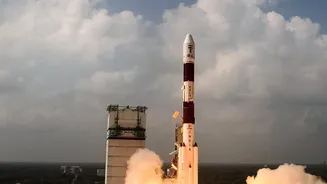
One of the most capital-intensive and critical areas of the space economy is launch services. The global demand for launching small satellites is booming, creating a significant market opportunity. Indian startups are racing to meet this demand with cost-effective and reliable launch vehicles. Companies like Hyderabad's Skyroot Aerospace and Chennai's Agnikul Cosmos are at the forefront of this private launch revolution. Skyroot's Vikram-1 became India's first privately developed orbital-class rocket, while Agnikul has made waves with its 3D-printed rocket engines. By developing capabilities for on-demand launches, these firms are not just building rockets; they are building a crucial service industry that can compete globally, particularly in the small satellite market.
Satellites: The Eyes and Brains in the Sky
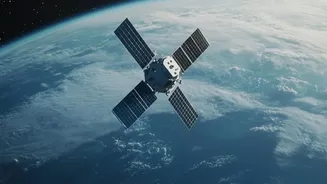
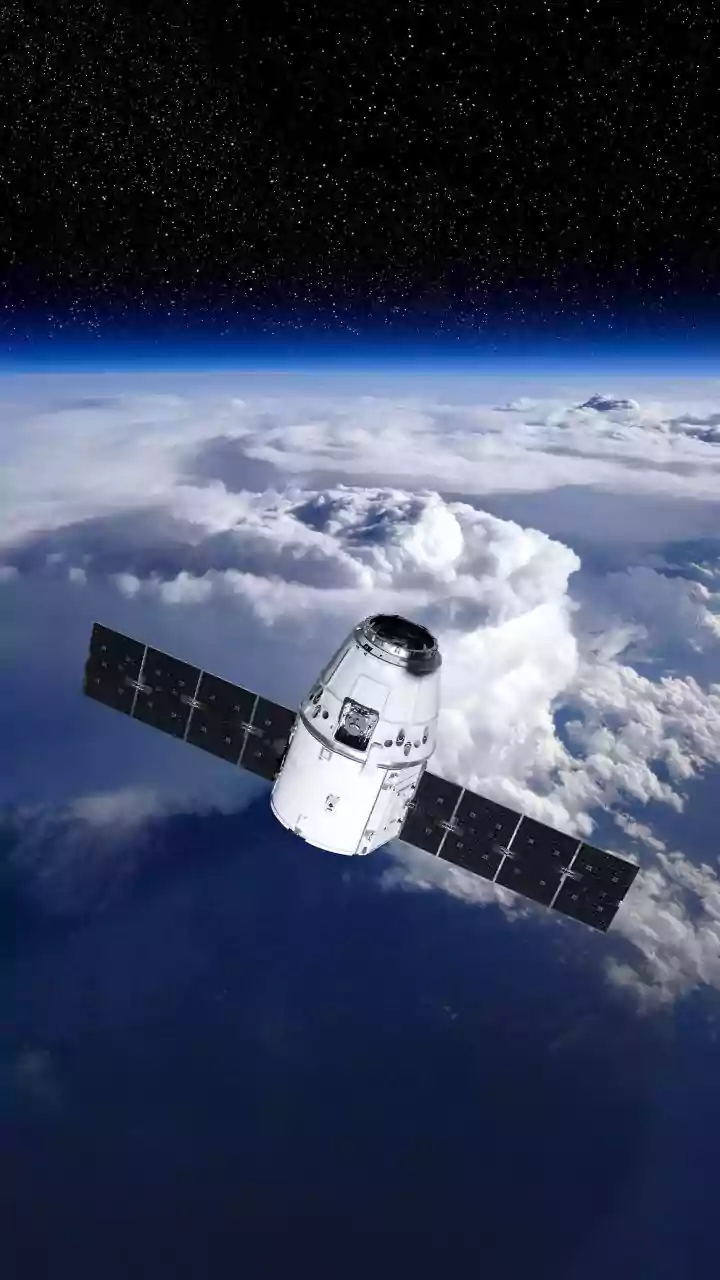
While launch vehicles get satellites into orbit, the satellites themselves are where much of the downstream value is created. Indian startups are innovating rapidly in satellite manufacturing and the services they provide. The trend is towards smaller, more specialized satellites that form large constellations for applications like high-speed internet, precise Earth observation, and secure communications. Startups such as Dhruva Space, Pixxel, and GalaxEye are developing everything from satellite platforms to hyperspectral imaging and synthetic aperture radar (SAR) technology. These satellites provide critical data for sectors as diverse as agriculture, disaster management, urban planning, and defence, creating a robust downstream market for data analytics and value-added services.
An Ecosystem of Innovation and Investment
The growth is explosive. From just one registered space startup in 2014, India was home to around 440 by August 2026. This boom is fueled by a surge in investment, with the sector raising approximately $200 million in 2025 alone. The liberalized Foreign Direct Investment (FDI) policy, allowing up to 74% FDI in satellite manufacturing and 49% in launch vehicles via the automatic route, is expected to attract even more global capital and technology. IN-SPACe acts as a vital enabler, providing startups with access to ISRO's world-class testing facilities and expertise, significantly lowering the barrier to entry and accelerating development.