


A Festival Steeped in Sweetness
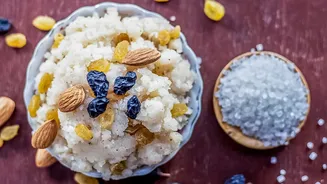
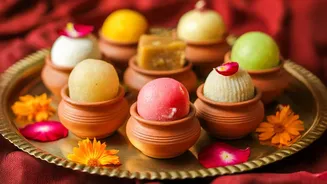
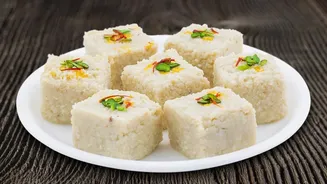
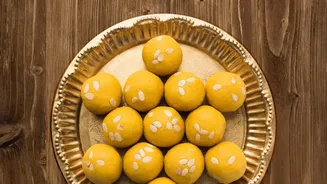
Janmashtami, celebrating the birth of Lord Krishna, is a festival intrinsically linked with milk and its derivatives. Offerings, or 'bhog', often feature an array of divine milk-based sweets like peda, makhana kheer, and kalakand. For generations, these
treats have been prepared with generous amounts of milk, ghee, and sugar, symbolizing abundance and sweetness. Makhan misri (fresh butter with rock sugar) is considered one of Lord Krishna's favourites, cementing the central role of rich, sweet flavours in the celebration. These culinary traditions are passed down, forming a core part of the festive experience for families across the country.
The New Generation's Health-Conscious Shift
While the love for these traditional sweets remains, a growing awareness around wellness is prompting a change in how they are made. Younger Indians, more attuned to health metrics and mindful eating, are seeking ways to celebrate without compromising their well-being. This shift isn't about rejecting the rituals; it's about adapting them to a modern lifestyle where concerns about refined sugar, calorie intake, and managing health conditions like diabetes are paramount. The goal is to create festive foods that nourish the body as much as the soul, allowing for guilt-free indulgence and sustained energy for midnight prayers and celebrations.
Rethinking the Sweetener
The most significant change is the move away from refined white sugar. Kitchens are now stocked with a variety of natural sweeteners that offer flavour without the sharp spike in blood sugar. Jaggery (gur) is a front-runner, valued for its earthy taste and trace minerals like iron. Dates and figs, often blended into a paste, provide sweetness along with fibre, making them a popular base for laddoos and barfis. Other alternatives gaining traction include coconut sugar for its lower glycemic index and plant-based sweeteners like stevia and monk fruit, which offer zero-calorie sweetness perfect for kheers and shrikhand. This deliberate choice of sweeteners is the cornerstone of the low-sugar festive movement.
Creative Twists on Classic Recipes
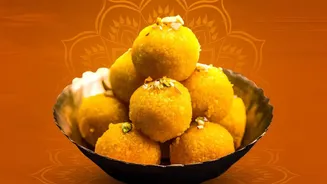
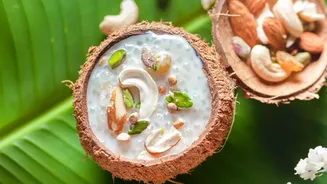
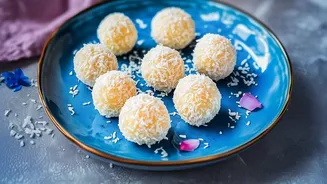
This new approach has inspired incredible creativity. The classic makhana kheer is now often prepared with almond milk and lightly sweetened with jaggery or a few drops of stevia. Laddoos, a festival staple, are being completely reimagined. Instead of just besan and sugar, you'll find versions made with roasted oats, ragi, grated coconut, and bound together with date paste and nuts. For shrikhand, the heavy sugar is swapped out for stevia or monk fruit sweetener, mixed into creamy hung curd for a light yet decadent dessert. Even the humble panjiri is getting a makeover, with jaggery powder replacing sugar to mix with whole wheat flour and nuts. These aren't just substitutes; they are thoughtful reformulations that often add new layers of flavour and texture.
A Holistic Approach to Festive Feasting
The trend extends beyond simply cutting sugar. It embodies a holistic view of health. Many recipes now incorporate ingredients prized for their nutritional value. Flours like ragi (finger millet) and whole wheat are used instead of refined flour. The inclusion of nuts and seeds like almonds, pistachios, and cashews is not just for garnish but for adding protein and healthy fats. This approach transforms the traditional 'mithai' from a simple sweet into a more balanced, nutrient-dense treat. It reflects a deeper understanding that festive food can and should be both celebratory and genuinely good for you, preserving cultural heritage in a way that supports a long and healthy life.