






The Monsoon's Pavlovian Call
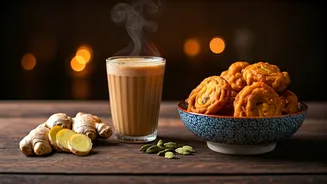
There is a switch that flips in the Indian psyche the moment the first drops of monsoon rain hit the parched ground. The air, thick with the scent of petrichor, carries an unspoken instruction: it is time for chai and pakoras. This isn't just a habit;
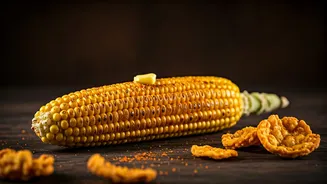
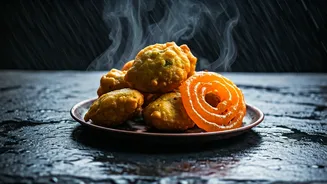
it's a multisensory ritual, a culinary tradition as old as the seasons themselves. Across the country, from bustling city apartments to quiet village verandas, the sound of sputtering oil in a kadai becomes the season's unofficial soundtrack. Whether it’s potato bhajiyas, onion pakoras, or piping hot samosas, the craving for a fried, comforting snack is an almost universal response to a downpour. It’s a moment of collective comfort, a shared cultural reflex that brings families and friends together over a plate of simple, soul-satisfying food.
The Unsung Hero of the Plate
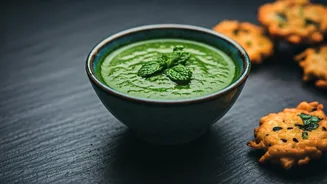
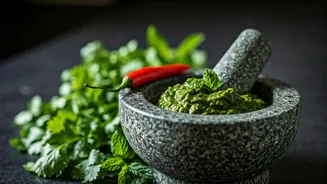
While the golden-brown, crispy pakora often takes centre stage, its glory is incomplete without its loyal companion. We’re talking about the vibrant, verdant, and vivacious green chutney. This is the dip the headline hints at—monsoon's undisputed favourite. It’s the splash of cool, fresh flavour that cuts through the richness of the fried snack. It’s the zesty, tangy kick that awakens the palate and makes you reach for just one more pakora. Without it, a samosa feels lonely, a bhajiya incomplete. This humble blend of herbs and spices is not merely a condiment; it is the essential counterpoint that elevates the entire monsoon snacking experience from simply tasty to truly sublime. It is the taste of freshness on a grey, overcast day.
Anatomy of a Perfect Dip
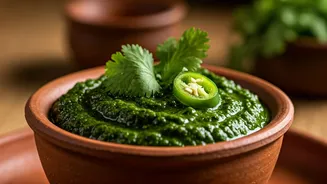
What makes this green chutney so magical? Its genius lies in its simplicity and the perfect balance of its core components. The foundation is almost always a generous bunch of fresh coriander (dhania), which lends it a bright, herbaceous character and its signature green hue. This is often supported by fresh mint leaves (pudina), adding a layer of cool complexity. Then comes the heat, typically from a few fiery green chillies, adjusted to your preferred level of spice. To provide the crucial tangy element, a squeeze of fresh lime or lemon juice, or sometimes a bit of tamarind pulp or raw mango, is added. This acidity not only balances the flavours but also helps preserve the chutney's vibrant colour. A small piece of ginger and garlic can be included for pungent depth, while a pinch of sugar or a spoonful of yogurt can temper the heat and add a smooth finish. Each ingredient plays a specific role, coming together in a symphony of flavour that is simultaneously spicy, tangy, cool, and fresh.
More Than Just Flavour
The connection between this dip and the monsoon goes beyond taste. It’s a sensory and psychological comfort. The chutney's bright green colour is a welcome visual contrast to the grey skies and gloomy weather. Its fresh, raw ingredients feel like an antidote to the heavy, humid atmosphere. In Ayurvedic tradition, the ingredients are also functional. Coriander and mint are known for their digestive properties, which cleverly helps in digesting the heavy, oily snacks they are served with. The ginger and chilli provide warmth, combating the damp chill that can settle in during the rains. So, when you’re enjoying this combination, you are participating in a tradition that is not just delicious but also intuitively wise, a culinary practice perfected over generations to suit the climate and the cravings it inspires.
Crafting Your Own Monsoon Magic
Making this chutney at home is incredibly simple, and the homemade version is always superior. The key to a great chutney is fresh ingredients. To get that perfect, bright green colour, many home cooks recommend adding a few ice cubes or a splash of ice-cold water to the blender; this prevents the heat from the blades from dulling the colour of the herbs. Don’t over-blend; a slightly coarse texture is often more desirable than a completely smooth paste. Taste and adjust the seasoning as you go—it’s all about finding your personal perfect balance of salt, spice, and tang. Once made, it’s best consumed fresh, but it will keep in an airtight container in the refrigerator for a few days, ready for your next impromptu pakora party.