

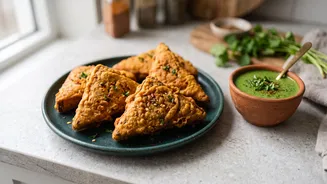
The Soul of Indian Street Food
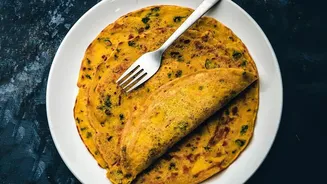
Moong dal chilla, a savoury pancake made from split and husked yellow lentils (moong dal), is a beloved staple across India. It’s celebrated not just for its delicious taste but also for being a nutritious, protein-packed meal that can be enjoyed for breakfast,
lunch, or as a satisfying snack. While homemade versions are common, the 'street-style' chilla holds a special place in the hearts of food lovers. It’s thinner, crisper, and carries a distinct flavour profile that vendors, with their large, seasoned pans and practiced techniques, seem to perfect every time. These vendors often serve them with zesty chutneys and stuff them with flavourful fillings, turning a simple pancake into a memorable culinary experience.
The Foundation: Perfecting the Batter
The journey to a crisp chilla begins with the batter. The key is using split yellow moong dal, which should be rinsed well and soaked for at least four to six hours. Soaking softens the lentils, allowing them to be ground into a smooth, consistent paste. The batter's consistency is crucial: it should be thick but still have a pourable, flowing quality, similar to pancake batter. If it's too thick, the chilla will be dense and difficult to spread; if too runny, it will lack structure and won't become crisp. A pro tip for achieving that signature street-style crunch is to add a tablespoon of rice flour or fine semolina (soji/suji) to the batter. This small addition significantly enhances the crispiness.
The Art of the Crisp
Achieving that coveted crisp texture is a matter of technique and temperature. A cast-iron tawa or a good non-stick pan is your best tool. The pan must be properly heated over a medium flame before you begin. Once hot, a ladleful of batter is poured onto the center and quickly spread outwards in a thin, even circle using the back of the ladle. The thinner you spread the batter, the crispier the chilla will be. After spreading, drizzle a little oil or ghee around the edges. This helps in creating those delightfully golden and crunchy borders. Patience is key; let the chilla cook undisturbed until the edges start to dry and lift slightly from the pan before flipping.
Building Deep, Savoury Flavour
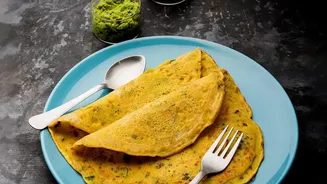
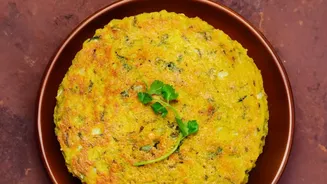
What makes a street-style chilla so savoury is the artful blend of spices and aromatics. Freshly chopped ginger, green chillies, and a pinch of asafoetida (hing) are essential additions to the batter, providing a foundational layer of flavour and a wonderful aroma. Cumin seeds (jeera) and carom seeds (ajwain) can also be added for an earthy, fragrant kick that also aids digestion. Once the chilla is cooking on the tawa, street vendors often sprinkle a mixture of finely chopped onions, tomatoes, and fresh coriander leaves on top. As the chilla cooks, these vegetables soften and caramelize slightly, embedding themselves into the pancake and adding layers of texture and taste.
Fillings and Serving Suggestions
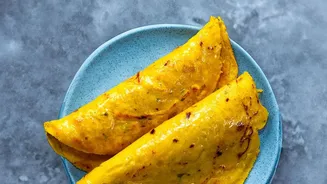
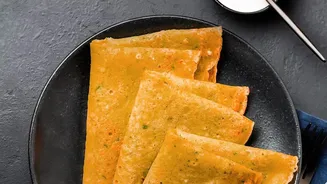
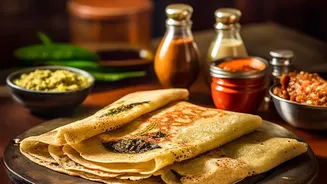
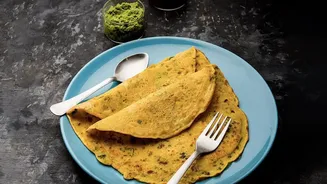
A street-style chilla is often made even more substantial with a delicious filling. One of the most popular choices is a simple crumble of fresh paneer (cottage cheese), often mixed with spices like chaat masala. Some vendors also use a savoury potato filling (aloo masala) for a heartier option. The filling is typically spread over the chilla after it has been flipped. To serve, the chilla is either folded in half or rolled up tightly. The perfect accompaniments are a spicy green mint-coriander chutney and a sweet-and-sour tamarind chutney, which cut through the richness and complete the flavour experience.