







Why Mumbai Is So Vulnerable
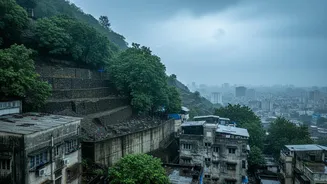
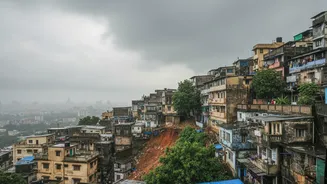
Mumbai's landslide risk is a complex issue born from its geography and rapid urbanisation. The city's dense population has led to construction on and near steep slopes, particularly in informal settlements. When relentless monsoon rains saturate the soil
and weathered rock on these hillsides, the ground loses its strength. Factors like deforestation, cutting into slopes for construction, and blocked natural drainage systems further destabilise the terrain, making a sudden collapse more likely. The Mumbai Climate Action Plan has specifically identified that increasing episodes of extreme rainfall heighten this danger. As a result, areas that have been stable for years can suddenly become hazardous.
Signs in the Ground and Landscape
The ground itself often provides the earliest clues of instability. Be vigilant for new cracks appearing in the soil or on pavements, especially after heavy rain. Look for any unusual bulging or swelling at the base of a slope. Another critical indicator is a change in water patterns. If you notice new springs, seeps, or unusually saturated ground in areas that were previously dry, it's a major warning sign. Similarly, watch for tilting trees, utility poles, or fences, which indicate that the ground beneath them is shifting. Soil pulling away from building foundations is another serious red flag that requires immediate attention.
Warning Signs Inside Your Home
The stress of shifting earth can manifest inside your house long before a major slide. Pay close attention to doors and windows that suddenly stick or become difficult to open or close, as this can mean the frame is being warped by ground movement. New cracks appearing in plaster, tile, brick, or foundations are another tell-tale sign of pressure. If you notice floors or decks beginning to tilt or separate from the main structure, it suggests the foundation is becoming unstable. Leaking or broken water and utility lines are also a significant danger sign, as they can both indicate ground movement and further saturate the soil, worsening the problem.
Unusual Sights and Sounds
Your eyes and ears can detect imminent danger. Listen for faint rumbling sounds that may increase in volume, which could indicate debris moving downhill. Other unusual noises like trees cracking or boulders knocking together are signs that a slope is actively failing. If you are near a stream or channel, be alert for any sudden changes in water flow. A rapid increase in water level, especially if the water becomes muddy, suggests landslide activity upstream. Conversely, a sudden decrease in stream flow could mean a landslide has blocked the channel, creating a dam that could burst without warning.
Know Your Area's Risk Level
The Brihanmumbai Municipal Corporation (BMC), often in collaboration with the Geological Survey of India (GSI), identifies and lists landslide-prone areas across the city. These zones are typically categorised by risk level. Recent data indicates hundreds of such locations, with a significant concentration in the eastern suburbs, including areas like Ghatkopar, Vikhroli, Bhandup, and Kurla. The BMC often issues notices to residents in the most vulnerable spots before the monsoon begins, urging them to relocate temporarily. It's crucial for residents to know if their home is on one of these lists and to pay attention to official advisories. You can find this information through the BMC's Disaster Management cell or local ward offices.
What to Do If You Suspect Danger
If you observe any of the primary warning signs, the most important step is to not ignore them. Alert your neighbours to the potential danger, as they may need toEvacuate as well. Immediately contact the BMC's disaster management helpline (1916) or your local ward office to report your observations. If you believe danger is imminent—for instance, if you hear rumbling sounds or see debris moving—evacuate the area immediately. Move to a safer location, preferably to designated shelters set up by the BMC. Do not wait for official orders if you feel your life is at risk. Prompt action is the most effective way to prevent tragedy.