


Mathura Ke Pede
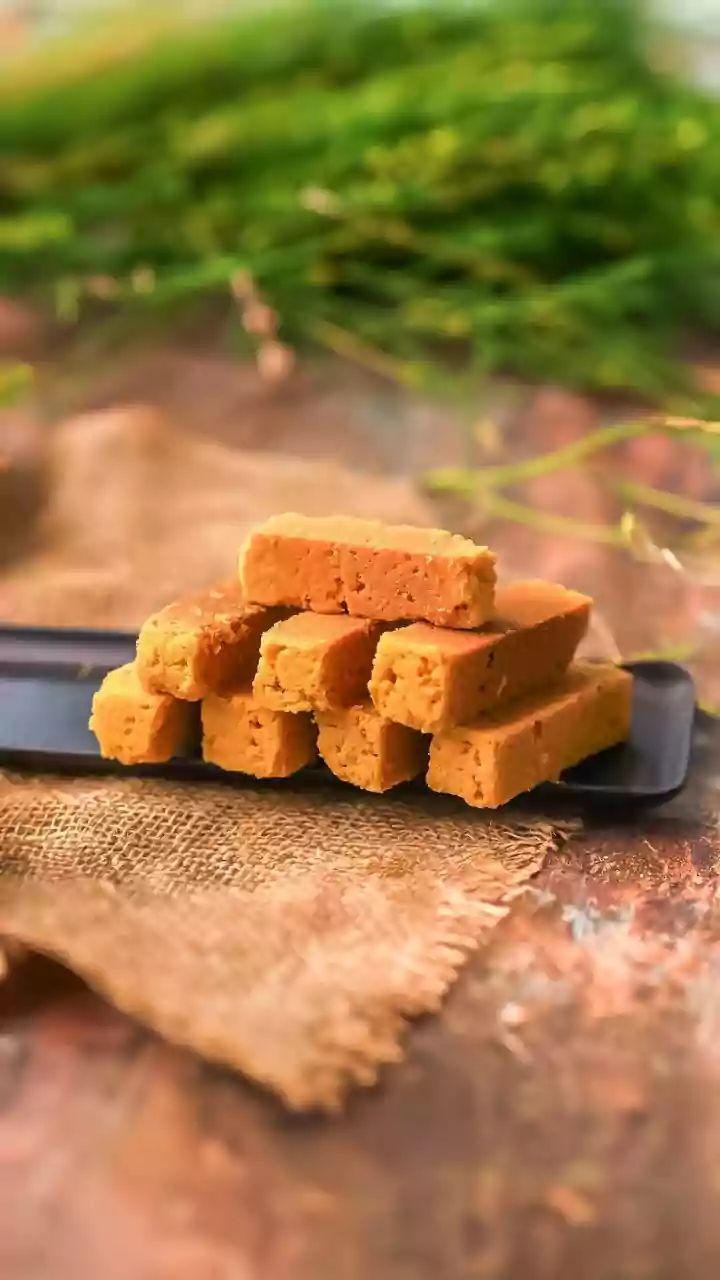
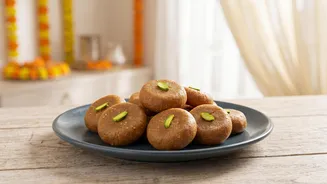
No list of Janmashtami sweets is complete without Mathura Ke Pede. This iconic sweet originates from Mathura, Lord Krishna's birthplace, making it an especially significant offering. The traditional method involves slow-roasting khoya (milk solids) until
it caramelises, giving the pedas their characteristic brown colour and rich, nutty flavour. The roasted khoya is then mixed with sugar and cardamom, and shaped into small, delightful discs. While making khoya from scratch by reducing cow's milk is the authentic way, many modern recipes use milk powder to achieve a similar result more quickly. Once formed, the pedas are often rolled in coarse sugar, adding a gentle crunch to their dense, melt-in-your-mouth texture. Their divine taste makes them a festive must-have.
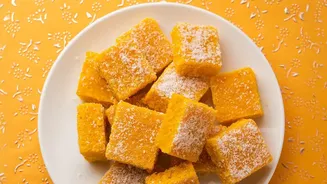
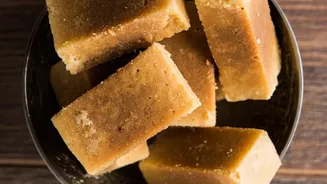
Kalakand
Often called an Indian milk cake, Kalakand is a soft, grainy, and moist sweet that is a favourite during festivals. Its charm lies in its simplicity, requiring just a handful of ingredients, with milk being the star. The sweet is made by combining paneer (fresh cottage cheese) with sweetened condensed milk or by reducing milk and then adding paneer. The mixture is cooked until it thickens and begins to leave the sides of the pan. Flavoured with a hint of cardamom powder and garnished with slivered pistachios and almonds, it is then set in a tray and cut into squares. Its pure white colour and creamy texture are seen as symbols of purity and abundance, making it a fitting offering for Lord Krishna.
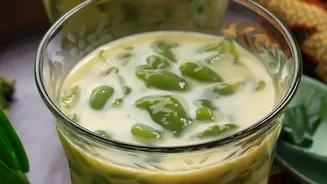
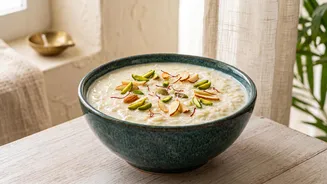
Makhana Kheer
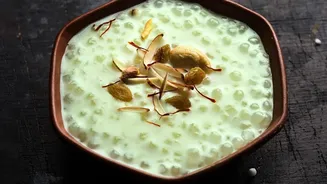
A lighter yet equally delicious option is Makhana Kheer, a creamy pudding made from fox nuts (makhana). This kheer is not only tasty but also nutritious and is often prepared during religious fasts. The makhanas are typically roasted in ghee until they become crisp, then simmered in milk until it thickens. Some of the nuts are coarsely ground to help thicken the kheer while others are left whole for texture. The pudding is sweetened with sugar and delicately flavoured with saffron and cardamom. Nuts like almonds and pistachios are added for extra richness and crunch. It's a wholesome and soul-satisfying dessert that can be prepared relatively quickly and is loved by all ages.
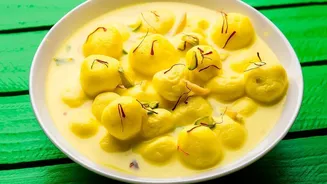
Lachha Rabri
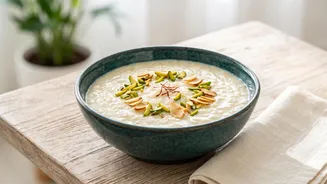
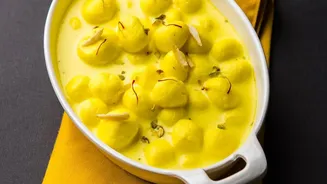
Rabri is a testament to the magic of slow-cooking. This classic North Indian dessert is made by patiently simmering full-fat milk in a heavy-bottomed pan for a long time until it reduces to a thick, creamy consistency. The key to its unique texture is the process of collecting the layers of cream (malai) that form on top of the milk and sticking them to the sides of the pan. Towards the end, these layers are scraped and mixed back into the thickened milk, creating the signature 'lachha' or layers. Sweetened with sugar and flavoured with saffron and cardamom, Rabri is a rich, decadent dessert. It can be enjoyed on its own, chilled, or served as an accompaniment to other sweets like jalebi or malpua.
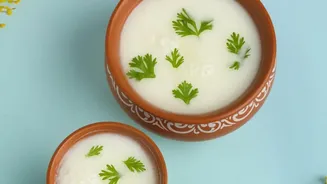
Kesar Shrikhand
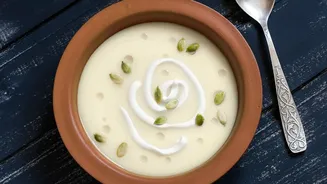
Hailing from the western states of India, Shrikhand is a creamy and refreshing dessert made from strained yogurt, known as 'chakka'. For Janmashtami, Kesar Shrikhand is a popular choice, infused with the luxurious aroma and golden hue of saffron. To prepare it, thick yogurt is hung in a muslin cloth for several hours to drain all the whey. The resulting dense, creamy yogurt is then whisked with powdered sugar, saffron-infused milk, and a pinch of cardamom powder until it becomes smooth and luscious. Garnished with nuts, this no-cook dessert is not only incredibly easy to whip up but also offers a delightful tangy-sweet flavour that provides a cooling contrast to other rich sweets.