


What Exactly Is Protein Ice Cream?
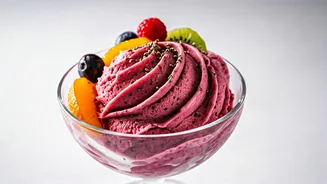
At its core, protein ice cream is a frozen dessert engineered to be higher in protein and lower in calories, sugar, and fat than its traditional counterpart. To achieve this, manufacturers typically start with a base of skim milk or milk protein concentrates
and add protein sources like whey or casein. Some brands also offer plant-based versions using proteins from sources like peas. The goal is to create a product that delivers the satisfying experience of ice cream while fitting into a more health-conscious diet, particularly for those tracking their macronutrient intake. This has resonated with India's growing population of fitness-aware consumers who want treats that support, rather than derail, their wellness goals.
The Nutritional Scoop
The nutritional difference between protein ice cream and regular ice cream is significant. A serving of traditional ice cream can contain around 250-300 calories, 3-5 grams of protein, and upwards of 20 grams of sugar. In contrast, a quality protein ice cream might offer 150-180 calories and a substantial 10-20 grams of protein, with little to no added sugar. This swap is made possible by replacing sugar with alternative sweeteners like stevia, erythritol, or allulose. The protein boost not only helps with muscle repair and growth but also increases satiety, making you feel fuller for longer and potentially helping with weight management when used as a replacement for higher-calorie desserts.
The Not-So-Sweet Side
While the numbers look appealing, protein ice cream is not without its trade-offs. To mimic the creamy texture of traditional ice cream without the high fat and sugar content, manufacturers often use a long list of ingredients, including stabilisers, gums, and processed fibres. Furthermore, the sugar alcohols used for sweetness, such as erythritol, can cause digestive discomfort like bloating and gas in some individuals, especially when consumed in large amounts. Experts caution that while these products can be a better choice than regular ice cream, they are still processed foods and shouldn't be seen as a replacement for whole-food protein sources like lean meats, eggs, or legumes. It is still a dessert, and moderation remains key.
Reading the Label: A Smart Choice
The term "protein ice cream" is not a monolith, and the quality can vary drastically between brands. Some products marketed as high-protein barely offer more than standard ice cream, while others are packed with unfamiliar additives. When choosing a protein ice cream, dietitians recommend looking for a product with at least 10 grams of protein per serving and a short, recognizable ingredient list. In India, a number of brands like Get-A-Whey, Lean, and Noto are catering to this demand, each with a slightly different approach to formulation and flavour. Checking the nutrition panel for protein content, added sugars, and the types of sweeteners used will empower you to make an informed choice that aligns with your personal dietary needs and preferences.