



The Himalayas have always been a symbol of adventure, drawing travellers with their breathtaking peaks. But a recent emergency rescue is a stark reminder that beneath the beauty lies immense risk, underscoring lessons every trekker must heed.
A Familiar Story of Sun and Sudden Storm
It’s a scenario
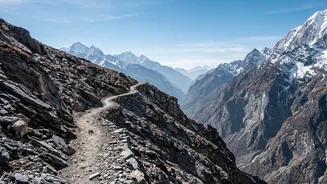
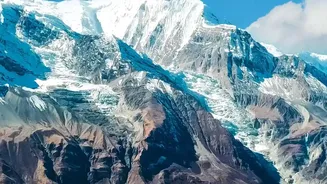
that plays out with frightening regularity in the high mountains of Nepal. A small group of trekkers, buoyed by clear skies and stunning views of the Annapurnas, pushes onward. Lulled into a false sense of security, they may be travelling without a registered guide or have neglected to file their full itinerary. Then, the weather turns. What began as a gentle breeze becomes a howling wind, and the sky, once a brilliant blue, turns a menacing grey. Snow begins to fall, thick and fast, reducing visibility to mere feet. Disoriented and ill-equipped for a sudden blizzard, the trekkers find themselves lost, cold, and in desperate need of rescue. This story, while hypothetical, represents the crux of countless real-life emergencies that unfold each trekking season.
More Than Paper: The Permit as a Lifeline
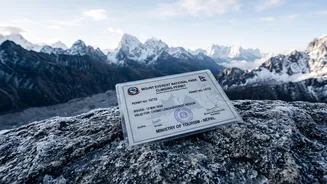
For some travellers, trekking permits can feel like bureaucratic hurdles. But in the context of a Himalayan emergency, they are a critical lifeline. Trekkers in Nepal are typically required to obtain a Trekkers' Information Management System (TIMS) card and relevant national park or conservation area permits. The TIMS card registers a trekker's identity and intended route with authorities. When a trekker is reported missing, this database is the first place rescue coordinators look. It tells them where the person was supposed to be and when, narrowing the search area from a vast mountain range to a specific trail. Without this registration, rescuers are essentially flying blind, significantly reducing the chances of a timely and successful rescue. These permits also fund the conservation of the areas and sometimes contribute to the infrastructure that keeps trekkers safe.
When the Mountain Makes Its Own Rules
The single greatest risk in the Himalayas is the weather's sheer unpredictability. At high altitudes, conditions can change in minutes, not hours. A sunny morning can devolve into a whiteout by lunchtime. This is not just about feeling cold; it's about life-threatening dangers. Sudden, heavy snowfall can obscure trails, leading to fatal falls. Avalanches can be triggered on slopes that appeared stable just hours before. Extreme temperature drops can lead to severe hypothermia, while the high altitude itself poses the constant threat of Acute Mountain Sickness (AMS), a debilitating condition that can be deadly if ignored. Relying on a weather forecast from Kathmandu is often futile. Local knowledge and the ability to read subtle atmospheric signs are far more valuable, which is why trekking with an experienced guide is so essential.
Your Guide: The Most Important Piece of Gear
While modern gear is crucial, no piece of equipment can replace the experience of a licensed local guide. A good guide is a navigator, a cultural interpreter, and, most importantly, a risk manager. They understand the terrain, know the signs of an impending storm, and can identify the symptoms of altitude sickness before it becomes a crisis. In an emergency, they are the first responders, equipped with the training and local contacts to initiate a rescue. Incidents often occur when trekkers venture out alone to save money or hire unregistered, cheaper guides who lack the requisite training and insurance. The official guidance is clear: trekking solo in many regions is now restricted for foreigners, precisely to avoid these preventable tragedies. Investing in a professional guide is investing in your own safety.
The Nonstoppable Safety Net
Beyond permits and guides, a final layer of personal responsibility is required. The most critical part of this is insurance. Standard travel policies often do not cover high altitude trekking. It is imperative to have a specific policy that covers emergency evacuation by helicopter, which can be astronomically expensive. Secondly, acclimatization cannot be rushed. Most itineraries build in rest days to allow the body to adjust to the lower oxygen levels. Skipping these to save time is a gamble with your health. Finally, proper gear—from waterproof layers and insulated jackets to sturdy boots and a comprehensive first aid kit—is non negotiable. The mountain does not forgive those who arrive unprepared.