








The Sticky Situation: Why Sugar Clumps
Before diving into a solution, it's helpful to understand the problem. Granulated white sugar becomes hard and lumpy when it absorbs moisture from the air. Sugar is hygroscopic, meaning it naturally attracts and holds water molecules. When sugar crystals
are exposed to humidity, their surfaces dissolve slightly. As the air dries out again or the temperature changes, the moisture evaporates, and the dissolved sugar recrystallises, binding neighbouring crystals together into clumps. This is a constant battle in kitchens, particularly during India's monsoon season. The key to keeping sugar free-flowing is to control its exposure to moisture. This is the opposite problem faced by brown sugar, which hardens when it *loses* its natural moisture content.
The Clove Theory: A Spice Cabinet Solution?
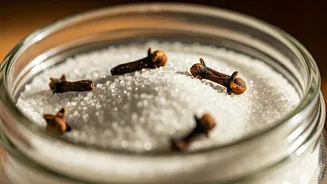
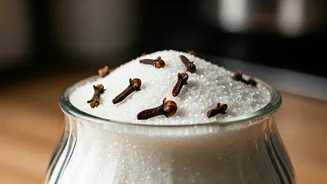
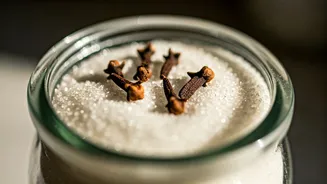
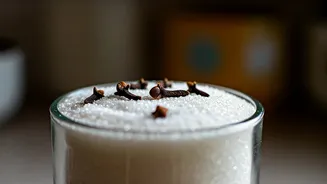
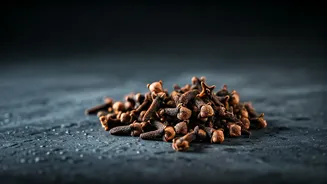
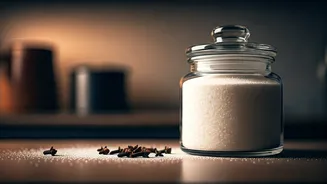
Enter the humble clove, a staple in every Indian pantry. The kitchen wisdom passed down through generations suggests that placing a few dried cloves in your sugar jar can work wonders. The headline claim is that cloves protect sugar from moisture. However, the more commonly cited and verified benefit of this practice is its power to repel pests, especially ants. The strong, pungent aroma of cloves, which comes from a compound called eugenol, is overwhelming to ants and masks the pheromone trails they use to navigate, effectively keeping them out of your sugar.
The Moisture Myth vs. The Ant Reality
So, do cloves actually absorb moisture? The evidence for this is largely anecdotal and less scientifically supported than their pest-repellent qualities. While some sources mention cloves as a way to keep things dry, they are not powerful desiccants (drying agents) like rice or silica gel packets. In the process of being dried for consumption, cloves have most of their moisture removed, but their primary function in a sugar jar seems to be repelling insects, not battling humidity. For many households, keeping ants away is a significant enough benefit to make this hack worthwhile. The idea of protecting against moisture may be a secondary, and likely minimal, effect or perhaps a conflation of two different kitchen needs.
How to Use Cloves in Your Sugar
If you want to try this hack, primarily for its ant-repelling benefits, the method is incredibly simple. Just drop four to five whole, dried cloves into your sugar container and mix them in slightly. There's no need to grind them. The cloves will impart their strong aroma, which is what drives the ants away. For a large container, you might want to add a few more. It’s a set-and-forget solution that keeps your sugar supply safe from crawling invaders. Some recommend replacing the cloves once a month to ensure their potency.
A Matter of Taste: The Scented Sugar Dilemma
The most significant side effect of this method is that your sugar will inevitably absorb the flavour and aroma of the cloves. For some, this is a welcome bonus. Clove-infused sugar can add a lovely, warm spice note to your morning chai, coffee, or baked goods like cakes and cookies. However, if you need your sugar for a recipe where a neutral flavour is essential, this might not be the ideal solution. It’s a matter of personal preference and how you plan to use the sugar. Consider keeping a separate, smaller jar of un-cloved sugar for those instances.
More Effective Ways to Banish Clumps
If your primary goal is fighting moisture and preventing clumps, there are more effective, tried-and-tested methods. The single best thing you can do is store your sugar in a truly airtight container. This physically blocks humid air from getting to the sugar. For added protection, you can add a known desiccant to the container. A few grains of uncooked rice wrapped in a small piece of cheesecloth or a saltine cracker will absorb excess moisture. For brown sugar, which needs to retain moisture, the opposite is true; people add a slice of bread, marshmallows, or a special terracotta 'sugar saver' to keep it soft. Using one of these terracotta savers after baking it dry can also work to absorb moisture from white sugar.