



Understanding and Respecting Altitude Sickness
The single biggest challenge in Spiti is Acute Mountain Sickness (AMS). It occurs when your body doesn't get enough time to adjust to lower oxygen levels at high altitudes, typically above 2,500 metres. Kaza, the main town in Spiti, sits at around 3,800
metres. AMS is not related to physical fitness; it can affect anyone. Symptoms often start with a persistent headache, followed by nausea, dizziness, fatigue, and difficulty sleeping. Ignoring these signs can lead to severe, life-threatening conditions. The golden rule is to listen to your body and never ascend further if you are feeling unwell.
Acclimatisation: Your Most Crucial Task
Proper acclimatisation is non-negotiable. The best way to prevent AMS is to ascend gradually. For this reason, the route from Shimla to Kaza is highly recommended over the Manali-Kaza highway. The Shimla route allows your body to adapt over several days as you gain altitude slowly, with overnight stays in places like Kalpa or Nako. The Manali route involves a rapid ascent, crossing high passes like Kunzum La (4,551 metres) in a short time, significantly increasing the risk of AMS. Once in Kaza, spend a day resting and taking short walks before heading to higher villages like Komic or Hikkim.
Essential High-Altitude Medical Kit
While you cannot find a fully-stocked pharmacy in Spiti's remote villages, a well-prepared medical kit can be a lifesaver. Pack basic medicines for headaches, fever, and stomach issues. Include ORS sachets to combat dehydration, which is common at high altitudes. Many travellers carry Acetazolamide (Diamox) to help with acclimatisation, but it is crucial to consult your doctor before your trip to discuss dosage and potential side effects. Also carry band-aids, antiseptic wipes, and any personal medications you need. Remember, this kit is for minor issues; severe AMS requires immediate descent and medical attention.
Packing for Drastic Temperature Swings
Autumn in Spiti means pleasant sunny days but bitterly cold nights, with temperatures often dropping below freezing. The key is layering. Your packing list should include multiple thin layers rather than one heavy jacket. Essentials include thermal innerwear, fleece jackets for insulation, and a windproof and waterproof outer shell. Pack several pairs of woollen socks, warm gloves, a woollen cap or balaclava, and sturdy, comfortable trekking shoes. Sunglasses are mandatory to protect your eyes from harsh UV radiation, which is stronger at high altitudes, as are sunscreen and lip balm to prevent chapping.
Preparing Your Vehicle for Tough Roads
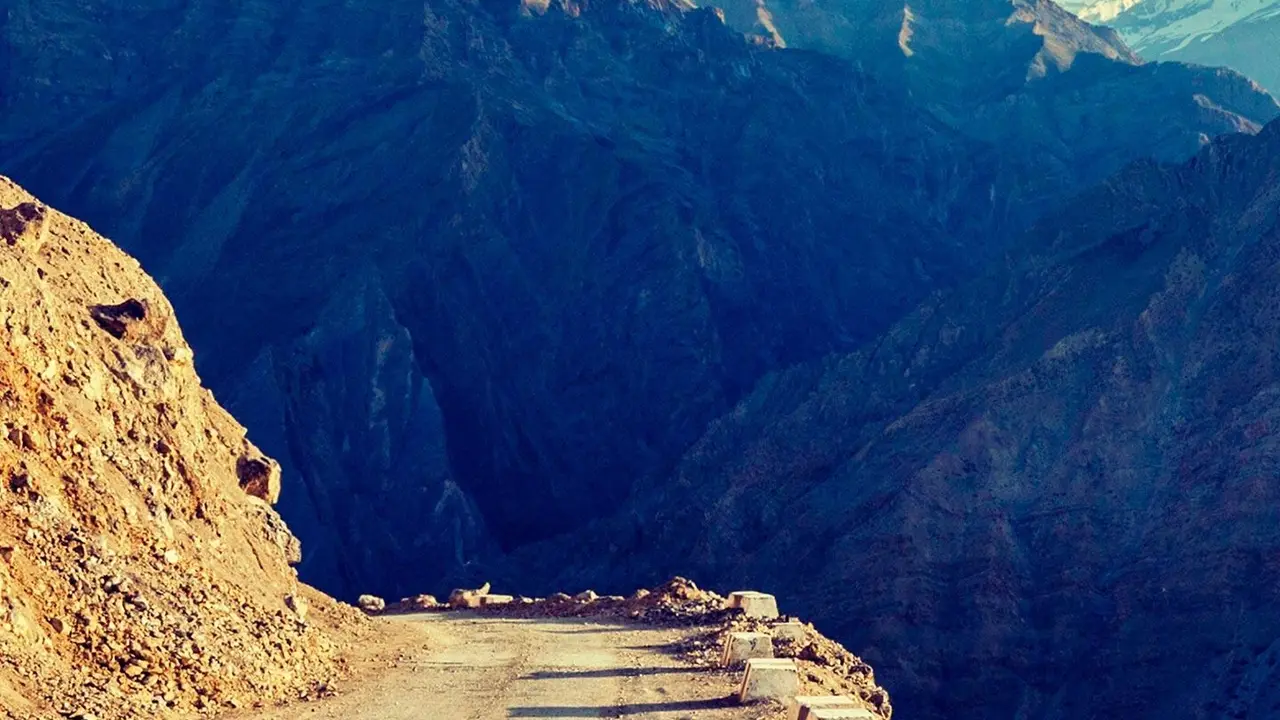
The roads in Spiti are a mix of tarmac, gravel, and rocky patches, with potential water crossings. While a 4x4 with high ground clearance is ideal, many people complete the trip in sedans and hatchbacks with careful driving. Before you start, get your vehicle fully serviced. Pay special attention to the brakes, tyres, clutch, and coolant levels. Ensure your tyres have good tread. Carry a complete toolkit, a reliable air pump, a puncture repair kit, and jump-start cables. Given the scarcity of fuel stations, it is also wise to carry extra fuel in a safe jerry can, especially if you plan to explore remote areas.
Permits, Connectivity, and Cash
For Indian citizens, no special permits like the Inner Line Permit (ILP) are needed for the main Spiti tourist circuit. However, you must carry a valid government-issued photo ID (like an Aadhaar card or driving license) for registration at various police checkpoints. Mobile connectivity is sparse. BSNL and Jio have the best, albeit patchy, coverage in Kaza and a few other spots. Download offline maps before you enter the valley. Lastly, carry sufficient cash. ATMs are few and often out of service, and digital payments are not widely accepted outside of major hotels in Kaza.