



Start with the Grand Procession
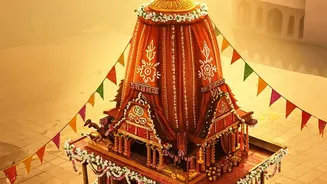
To truly understand the scale of Onam, start where the festivities officially begin: with the Athachamayam parade in Thripunithura, near Kochi. Taking place on the Atham day, which in 2026 falls on August 16th, this event kicks off the 10-day festival.
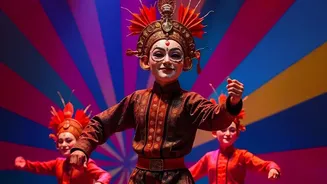
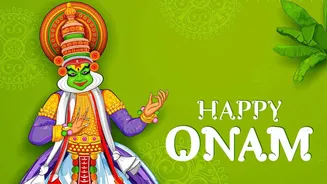
It’s a grand cultural procession that harks back to the time when the Maharaja of Kochi would march with his full entourage. Today, the streets come alive with caparisoned elephants, vibrant floats, musicians, and performers showcasing nearly all of Kerala's traditional art forms, from Kathakali to Theyyam. It’s a spectacular immersion into the state's regal history and artistic heritage, setting a majestic tone for the days to come.
Go Beyond Watching the Tiger Dance
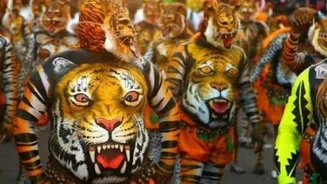
The Pulikali, or 'Tiger Dance', in Thrissur is one of Onam's most famous spectacles, held on the fourth day of the festival. But seeing a different side of it means appreciating it as more than just a parade. It's a folk art form requiring immense dedication. Troupes of performers spend hours having their bodies intricately painted to resemble tigers and leopards. The theme revolves around a tiger hunt, with dancers mimicking the movements of the animal to the powerful beat of percussion instruments like the chenda and thakil. This tradition, over 200 years old, is the cultural heartbeat of Thrissur. To get a deeper feel, arrive early to see the incredible, time-consuming preparation and feel the community's collective energy build before the main event at Swaraj Round.
Witness the Ancient Martial Traditions
Onam isn’t just about flowers and feasts; it also has a history of martial tradition. In parts of Palakkad and Thrissur, you can witness Onathallu, a form of ritualistic mock combat. Also known as Kayyankali, this tradition sees men engage in a semi-contact sport, often performed on the Avittam day of Onam. Participants, usually from the Nair community, pair up to enact combat scenes, using palm strikes and blocks in a show of strength and agility. It's a highly revered local ritual, performed to commemorate historical battles and showcase the martial spirit of the region's past. Seeing an Onathallu performance is a rare glimpse into a side of the festival that is raw, powerful, and deeply rooted in local history.
Participate in Rural Onam Games
For a truly local experience, look for the 'Onakalikal'—the traditional games that fill the afternoons in villages and communities across Kerala. These games are the heart of communal celebration, bringing neighbours and families together in friendly competition. The most famous is Vadamvali, the classic tug-of-war, which sees entire villages cheering on their teams. You might also see Uriyadi, where a blindfolded participant tries to break a suspended earthen pot, and traditional ball games like Thalappanthukali. These events are not grand spectacles but simple, joyous activities that embody the spirit of togetherness and fun that defines Onam at its core. It’s here, in the shared laughter and playful contests, that you’ll find the festival’s true community spirit.
Discover Hyperlocal Folk Characters
Kerala's cultural landscape is incredibly diverse, and Onam traditions can change from one district to the next. In the northern regions like Kannur and Kasaragod, keep an eye out for the Onapottan. Believed to be a representation of King Mahabali, this folk character visits homes during Onam to give blessings. Dressed in a vibrant costume with a painted face and a traditional palm-leaf umbrella, the Onapottan remains silent, ringing a bell to announce his presence. In areas around Thrissur and Palakkad, you might also encounter Kummattikali, a colourful mask-dance where performers are covered in woven grass and don large wooden masks representing gods and mythological figures as they dance through the streets. These unique, region-specific rituals offer a fascinating look at the festival's rich local variations.
Experience Onam in a Family Home
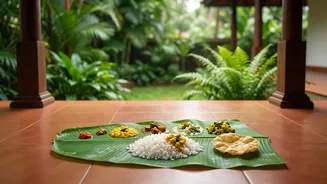
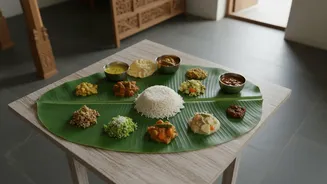
Perhaps the best way to see a different side of Onam is to experience it not as a tourist, but as a guest. Choosing a traditional homestay allows you to be part of a family's personal celebrations. You can help create the Pookalam in the morning, learn the significance behind the dishes being prepared for the Onam Sadhya, and listen to family stories about what the festival means to them. Many homestays actively involve their guests in the preparations and rituals, offering a warm and authentic glimpse into the heart of the festival. This is where Onam transforms from a public spectacle into a personal, intimate celebration of homecoming, family, and gratitude.