



Why Bother with Pollinators?
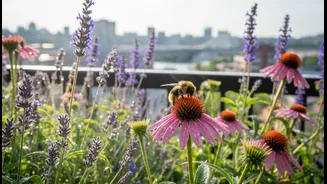
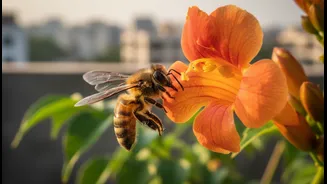
Bees, butterflies, birds, and even beetles are nature's essential workers. They are responsible for the reproduction of most flowering plants, including many of the fruits and vegetables we eat. In India, where agriculture is a cornerstone of the economy
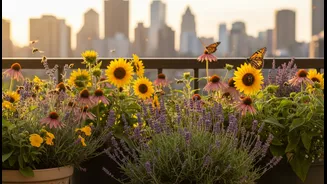
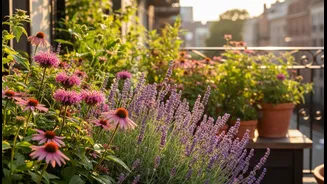
and biodiversity is rich, supporting local pollinator populations is more important than ever. By creating a small sanctuary in your balcony or backyard, you are not just beautifying your space but also contributing to a healthier ecosystem.
Start with Sun and Native Plants
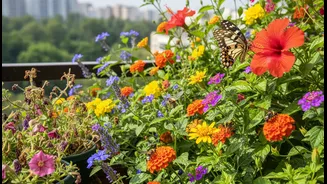
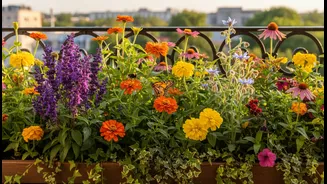
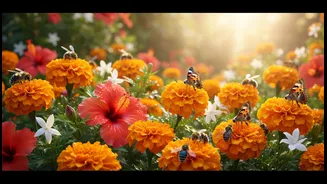
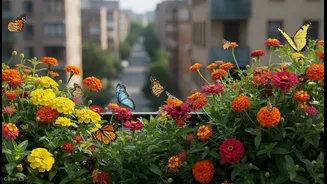
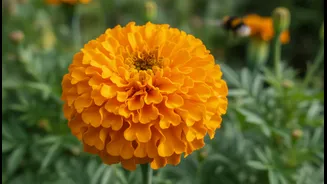
The first step is observation. Find a spot that gets at least six hours of sunlight daily, as most flowering plants need it to produce the nectar pollinators seek. The most crucial choice you'll make is your plants. Native plants are the foundation of a successful pollinator garden because they have co-evolved with local wildlife. For an Indian garden, think about incorporating plants like Marigold (Genda), Hibiscus (Gudhal), various Jasmines (Chameli), and Holy Basil (Tulsi). These familiar flowers are magnets for local bees and butterflies.
Plant for Variety and Continuous Blooms
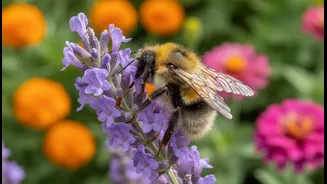
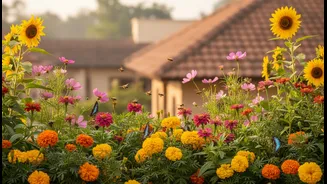
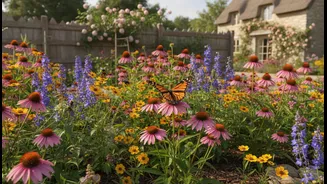
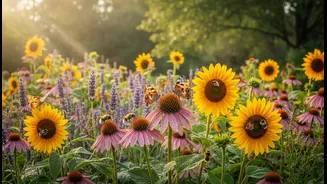
A successful pollinator cafe is one that’s open all year round. Plan your garden to have a mix of plants that flower in different seasons. This ensures a continuous food supply. Incorporate a variety of colours and shapes. Bees are often attracted to blue, violet, and yellow flowers, while butterflies and birds like sunbirds are drawn to the bright, tubular shapes of flowers like Hibiscus. Planting in clusters or small patches is more effective than dotting single plants around, as a dense splash of colour acts like a big, inviting sign for passing pollinators.
Think Beyond Nectar: Host Plants
To keep butterflies coming back, you need to think about their entire lifecycle. Adult butterflies feed on nectar, but they lay their eggs on specific 'host plants' that their caterpillars will eat. For example, the Curry Leaf plant (Kadi Patta) is a host for the Common Mormon butterfly. Including host plants is a game-changer; it means you aren't just a temporary food stop but a true nursery, helping to sustain butterfly populations.
Provide Water and Shelter
Pollinators need more than just food. A shallow dish of water can be a lifesaver for them, especially during hot Indian summers. Fill a shallow saucer with water and add a few pebbles or marbles for them to land on safely, preventing them from drowning. Don't be too tidy in your garden. Leaving a small pile of twigs or allowing some leaf litter can provide crucial shelter and nesting spots for various insects. You can even buy or build a simple 'bee hotel' using bamboo stalks to welcome solitary bees.
Go Chemical-Free
This is a non-negotiable rule for a pollinator-friendly space. Pesticides and insecticides are indiscriminate killers, harming beneficial insects just as much as pests. Instead, embrace natural pest control. A simple spray of neem oil solution, garlic-chilli water, or soapy water can deter many common pests without harming pollinators. Planting marigolds alongside vegetables is a traditional method that helps repel certain unwanted insects while attracting beneficial ones.