

Choose a Theme for Your Tasting
The world of tea is vast, so giving your tasting a theme makes it more focused and educational. A great starting point is to explore the main categories of tea, all of which originate from the Camellia sinensis plant but are processed differently. A classic
themed flight could include a white, green, oolong, and black tea to showcase the spectrum of oxidation. Alternatively, you could focus on a single origin, such as India, and compare a malty Assam with a delicate Darjeeling. Another idea is to explore a single style, like oolongs, which can range from light and floral to dark and roasted. Limiting your selection to three to five teas is ideal; it provides enough variety without overwhelming the palate.
Gather Your Essential Equipment
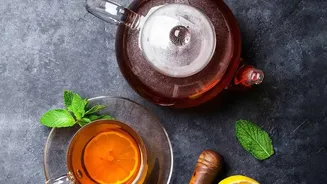
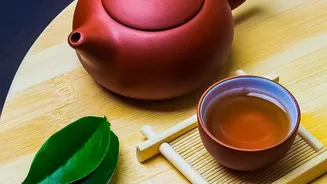
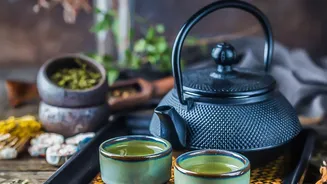
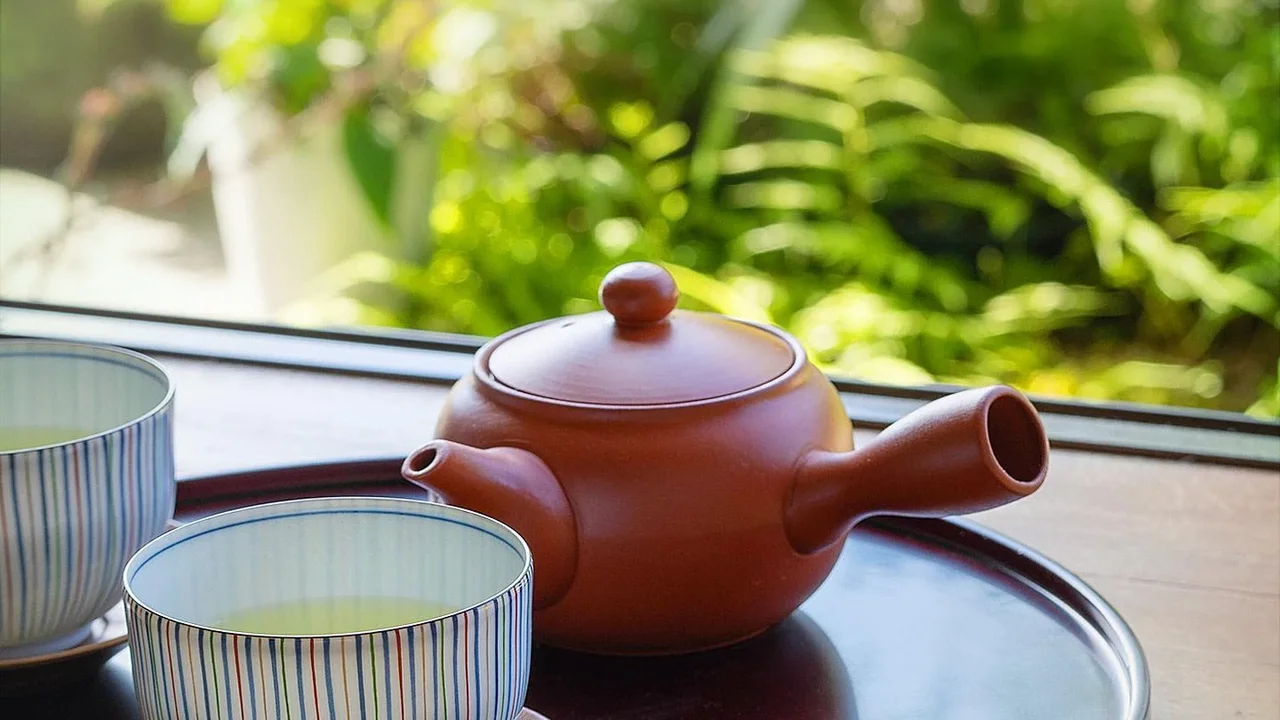
You don't need a lot of fancy gear to host a beautiful tasting. The essentials include a kettle (ideally one with temperature control), small teapots or infusers for each tea, and tasting cups. Small, white ceramic cups are best, as they allow guests to clearly see the colour of the brewed tea, which is part of the experience. You will also want a timer to ensure precise steeping, along with pitchers of fresh water and plain crackers for guests to cleanse their palates between teas. To make the experience more interactive, provide notecards and pens for guests to jot down their thoughts on each tea's aroma, colour, and flavour.
Mastering the Brew: Temperature and Time
Proper brewing is crucial for bringing out the best in each tea. The two most important factors are water temperature and steeping time, which vary significantly between tea types. Over-steeping or using water that's too hot can make a tea bitter. As a general rule, more delicate, less oxidized teas require cooler water. White and Green Teas: Use water between 70°C and 85°C. Steep for 1 to 3 minutes. Oolong Teas: Water temperature should be between 85°C and 96°C, with a steeping time of 3 to 7 minutes. * Black and Herbal Teas: These are more robust and require boiling water (93°C to 100°C). Steep for 3 to 5 minutes for black tea and 5 to 10 minutes for herbals. If you don't have a temperature-controlled kettle, you can boil water and let it sit for a few minutes to cool down.
The Art of Tasting
Encourage your guests to engage all their senses. The process of tasting involves several steps that reveal the tea's character. Start by having everyone observe and smell the dry leaves before they are brewed. After brewing, pour small samples and observe the 'liquor'—the brewed tea—noting its colour and clarity. Before sipping, inhale the aroma from the cup. The best way to taste is to take a loud slurp, which aerates the tea and spreads it across your entire palate. Discuss the flavour notes, the body or 'mouthfeel' (is it light, full, or drying?), and the aftertaste, also known as the finish. There are no right or wrong answers; it’s about personal discovery.
Simple and Elegant Food Pairings
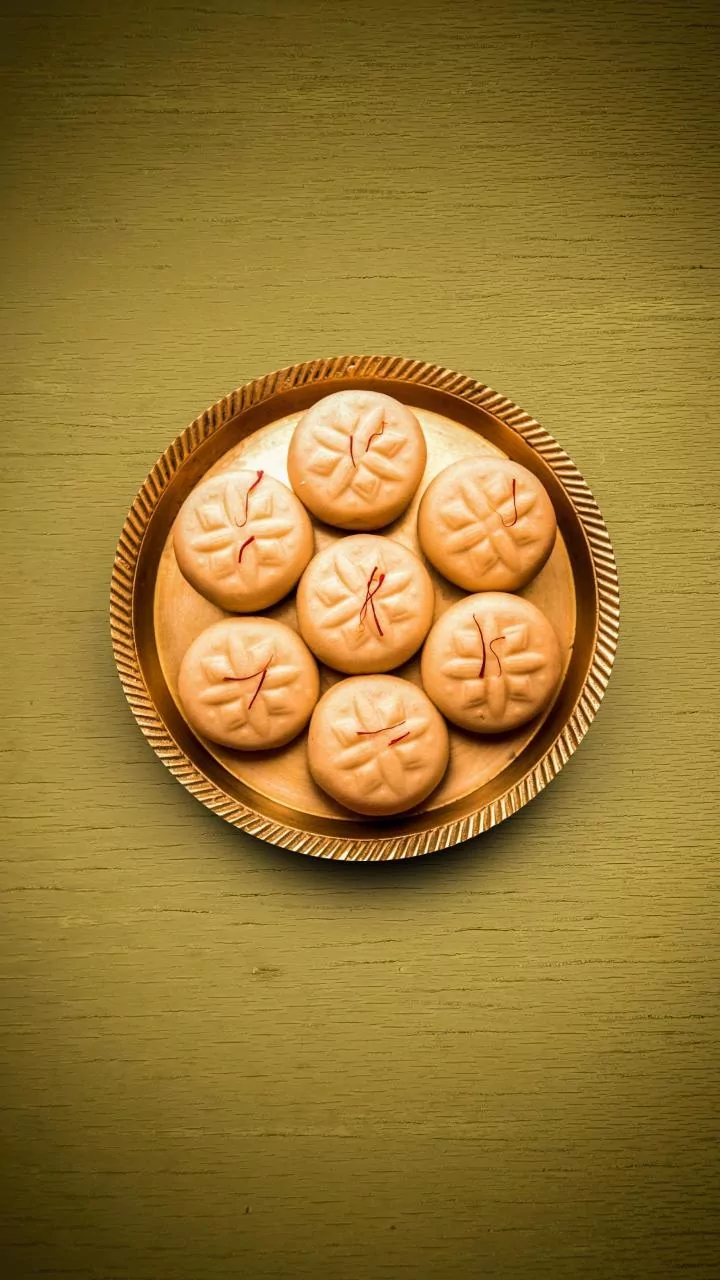
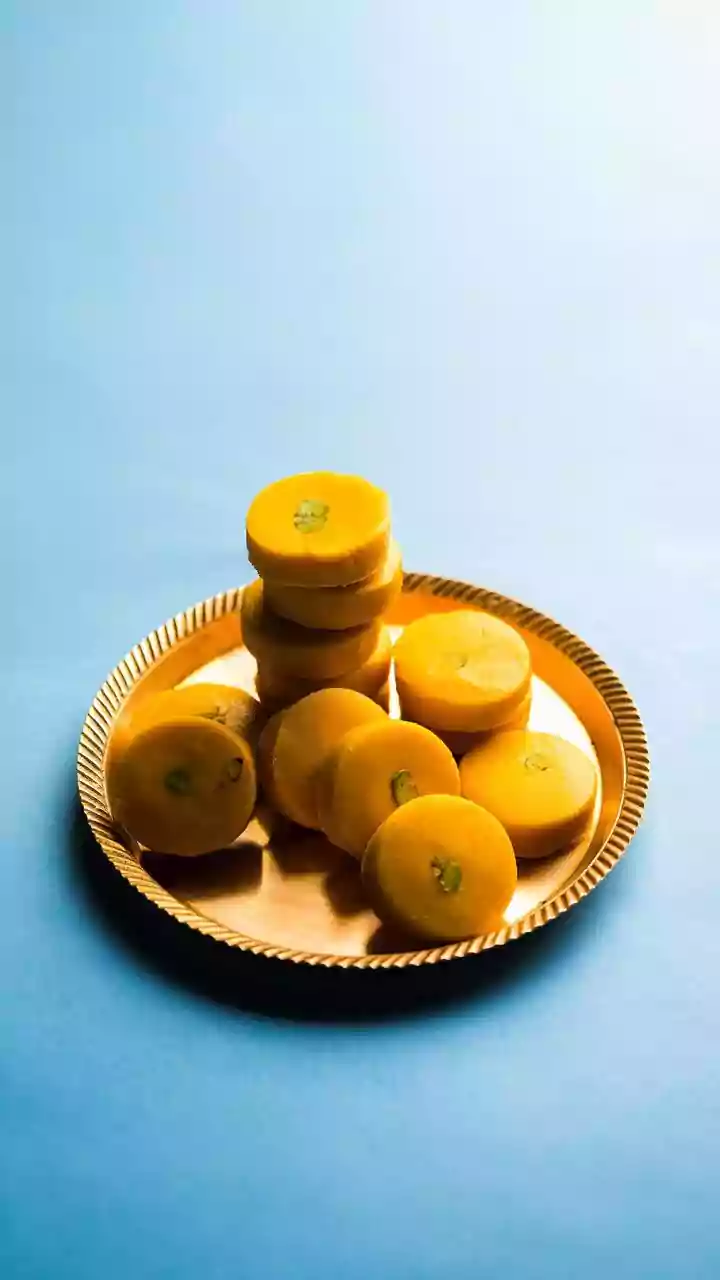
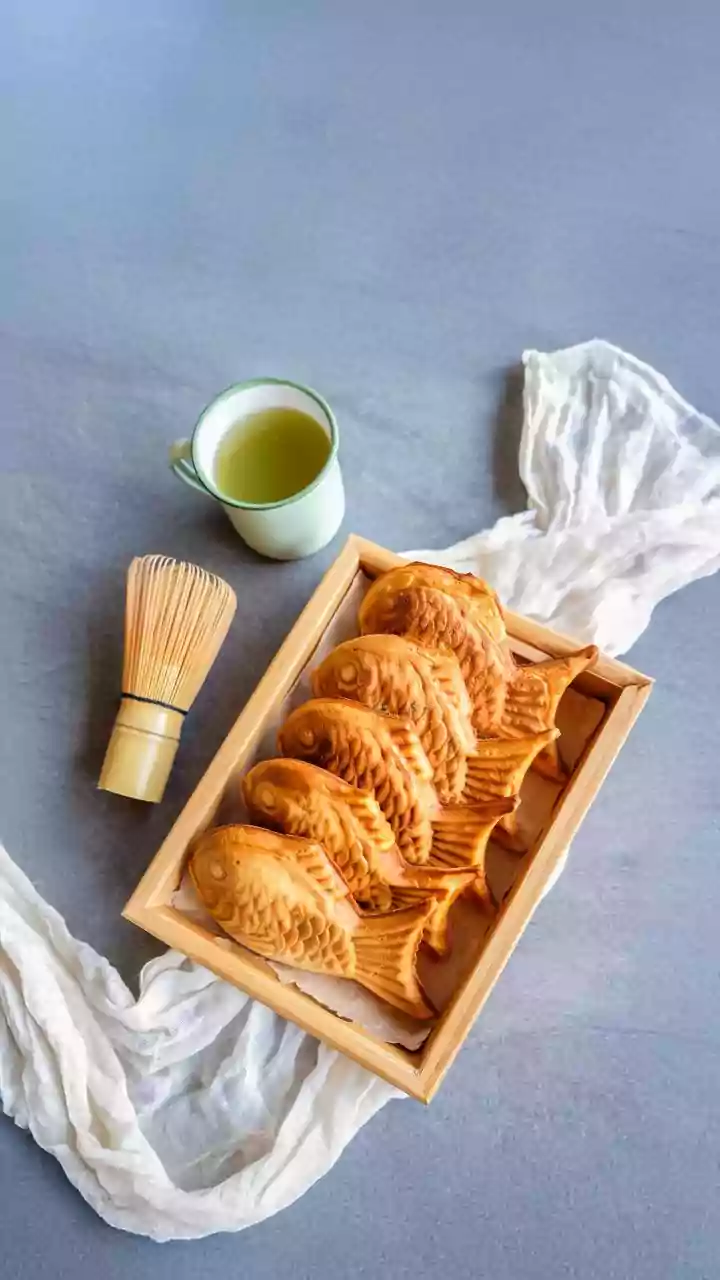
When it comes to food, the goal is to complement the tea, not overpower it. Think of light palate cleansers rather than a full meal. Simple, unsalted crackers, plain shortbread, or mild scones are excellent choices. If you want to create more specific pairings, a good rule is to match intensity. Delicate white teas pair well with light flavours like cucumber or mild cheese, while robust black teas can stand up to richer foods like chocolate or smoked meats. Green teas often complement seafood and rice dishes, and oolongs can work with everything from fruit salads to duck. For a simple, no-fuss approach, focus on neutral snacks that won't interfere with the subtleties of the tea.