

Masters of the Terrain
Winter transforms familiar trails. Snowfall can obscure paths, and ice makes stone steps treacherous. A local guide possesses an intimate knowledge of this ever-changing landscape. They grew up in these mountains and can identify the safest routes, assess
snow stability to avoid avalanche-prone areas, and navigate through sections that may be altered by seasonal landslides or frozen rivers. This expertise is not just about getting from one point to another; it's about doing so safely, often by choosing paths that an outsider would never find. Their ability to read the terrain is a crucial skill that turns a potentially hazardous walk into a manageable adventure.
Guardians Against Altitude Sickness
Altitude sickness is a significant and dangerous risk for any Himalayan trekker, especially beginners. Local guides are experts in acclimatization. They design itineraries that follow the 'climb high, sleep low' principle and ensure that the daily ascent in sleeping altitude does not exceed 300-500 meters above 3,000 meters. They schedule essential rest days and monitor your health closely, often conducting daily checks of blood oxygen levels and heart rate. A guide can recognize the early warning signs of Acute Mountain Sickness (AMS)—like headaches or loss of appetite—that a first-timer might ignore. Their timely decision to rest, slow down, or descend can prevent a medical emergency.
Your Emergency Lifeline
In the remote Himalayas, especially in winter, you cannot afford for things to go wrong. Local guides are trained in wilderness first aid and emergency response. They carry essential medical kits, including pulse oximeters and sometimes supplemental oxygen. Should a trekker develop a severe condition like High Altitude Pulmonary Edema (HAPE) or suffer an injury, the guide is your first responder. They know the evacuation procedures, have connections with local rescue services, and can coordinate a helicopter evacuation if necessary, which is a daunting task for an unprepared trekker. This preparedness is a critical safety net.
A Bridge to Local Culture
A trek in the Himalayas is more than just a walk; it's an immersion into ancient cultures. A local guide acts as your cultural interpreter and bridge to the communities you pass through. They can translate and facilitate genuine interactions, explain the significance of monasteries and mani stones, and teach you local etiquette, ensuring you travel with respect. This connection transforms the journey from a simple hike into a rich, meaningful experience. Hiring locally also ensures that your tourism money directly supports the families and economies of these mountain villages.
Logistical Wizards and Morale Boosters
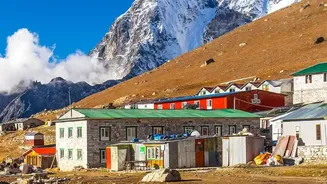
Beyond the trail, guides handle the complex logistics that can overwhelm a first-time visitor. This includes arranging trekking permits, booking the best available teahouses for lodging, and ensuring you have nourishing meals. In winter, with shorter daylight hours and freezing temperatures, this efficiency is vital. Furthermore, a good guide is a motivator. They know when to push and when to rest, helping to maintain high morale even when the group is exhausted or facing weather delays. Their experience and calm demeanor provide the confidence needed to complete a challenging winter journey.
Choosing Your Guide Wisely
When selecting a guide, look beyond basic certification. While a government-issued license and first-aid training are essential starting points, experience is paramount. Seek out guides with extensive knowledge of your specific winter route. Reputable trekking agencies are often the best place to start, as they vet their guides and ensure they are properly equipped and insured. Reading reviews and asking for recommendations can also lead you to a professional who is not just a navigator, but a true mountain companion.