

Swap Sabudana for Smarter Grains
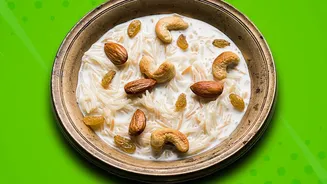
Sabudana, or tapioca pearls, is a fasting staple loved for its comforting texture. However, it is primarily starch and can cause a rapid spike in blood sugar, followed by a crash that leaves you feeling tired. For sustained energy, consider alternatives
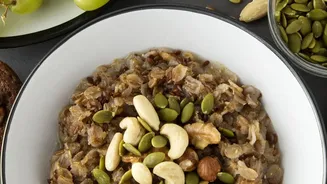
like samak rice (barnyard millet). Samak rice is a type of millet that is rich in fibre and protein, which helps in slower digestion and a more gradual release of energy. Unlike sabudana, it provides essential nutrients like magnesium and iron. Using samak rice to make your vrat-friendly khichdi or pulao can keep you feeling full and energetic for much longer, preventing the all-too-common afternoon slump.
Embrace Nutrient-Dense Flours
Fried puris and pakoras are tempting during a fast, but the choice of flour makes all the difference. Instead of relying on ingredients that offer empty calories, turn to nutrient-dense options like kuttu (buckwheat), rajgira (amaranth), and singhara (water chestnut) flour. Kuttu is a powerhouse of protein and fibre with a low glycemic index, which helps in stabilising blood sugar levels. Rajgira is packed with protein and calcium, while singhara atta is rich in potassium, which helps maintain hydration. Using these flours to make rotis, cheelas, or parathas instead of deep-fried items provides complex carbohydrates that release energy slowly, keeping you powered through the day.
Power Up with Protein-Rich Snacks
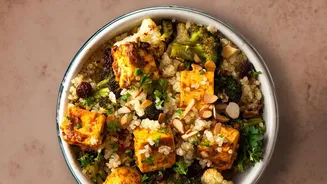
Snacking is often where vrat diets go wrong, leading to reliance on fried potatoes or sugary foods. To maintain energy, focus on protein. A handful of roasted makhana (fox nuts) is an excellent choice. They are low in calories but high in protein and essential minerals like magnesium and calcium. Another great option is paneer. Lightly grilled paneer cubes or a simple paneer salad can provide a substantial protein boost to keep hunger at bay and support muscle health. Combining these with a bowl of curd or a glass of buttermilk not only adds more protein but also provides probiotics for good digestion.
Incorporate Healthy Fats and Nuts
Healthy fats are crucial for satiety and long-lasting energy. A small portion of nuts and seeds like almonds, walnuts, and peanuts can be a game-changer for your fasting diet. They provide a combination of protein, fibre, and healthy fats that prevent you from feeling hungry shortly after a meal. You can eat them soaked, roasted, or add them to fruit salads and smoothies. Using ghee for cooking is also beneficial. A2 ghee, a sattvic food, is a source of good fats that provides stable energy and adds a wholesome richness to your meals.
Hydrate with Purpose
Dehydration is a common cause of fatigue. While water is essential, you can make your fluid intake work harder for you. Coconut water is excellent for replenishing electrolytes and restoring energy, especially if you feel dizzy or drained. Homemade fruit smoothies (without added sugar) or a simple banana and walnut lassi can provide both hydration and a quick dose of nutrients and natural sugars for an energy lift. Herbal teas and buttermilk are other fantastic options to stay hydrated and refreshed throughout your fast without causing energy crashes.
Don't Forget Fruits and Vegetables
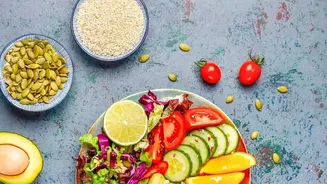
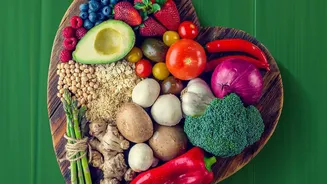
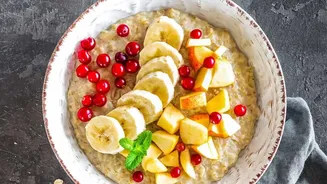
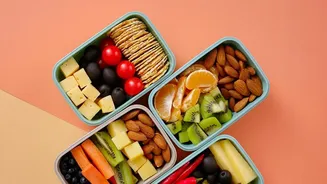
While grains and flours form the base of vrat meals, fruits and vegetables are non-negotiable for their vitamin and fibre content. Instead of just having fruits alone, which can cause sugar spikes, combine them with protein and fats like curd or nuts. Vegetables like sweet potato, lauki (bottle gourd), and pumpkin are great choices. A sweet potato chaat provides complex carbohydrates and fibre for sustained energy, making it a delicious and filling snack. These foods are easy to digest and ensure you get a steady supply of essential nutrients to avoid feeling weak.