



Understanding the Celestial Dance
In astronomy, a conjunction is an event where two or more celestial objects appear to be close together in our sky. It’s important to remember that this is a line-of-sight phenomenon. The Moon and Saturn are not actually close to each other in space;
they are millions of kilometres apart. However, due to their alignment relative to Earth as they travel their own orbits around the Sun, they create the illusion of a close pairing for observers on the ground. These events are a treat for enthusiasts because they offer a chance to easily locate planets by using the much brighter Moon as a guide.
When and Where to Look
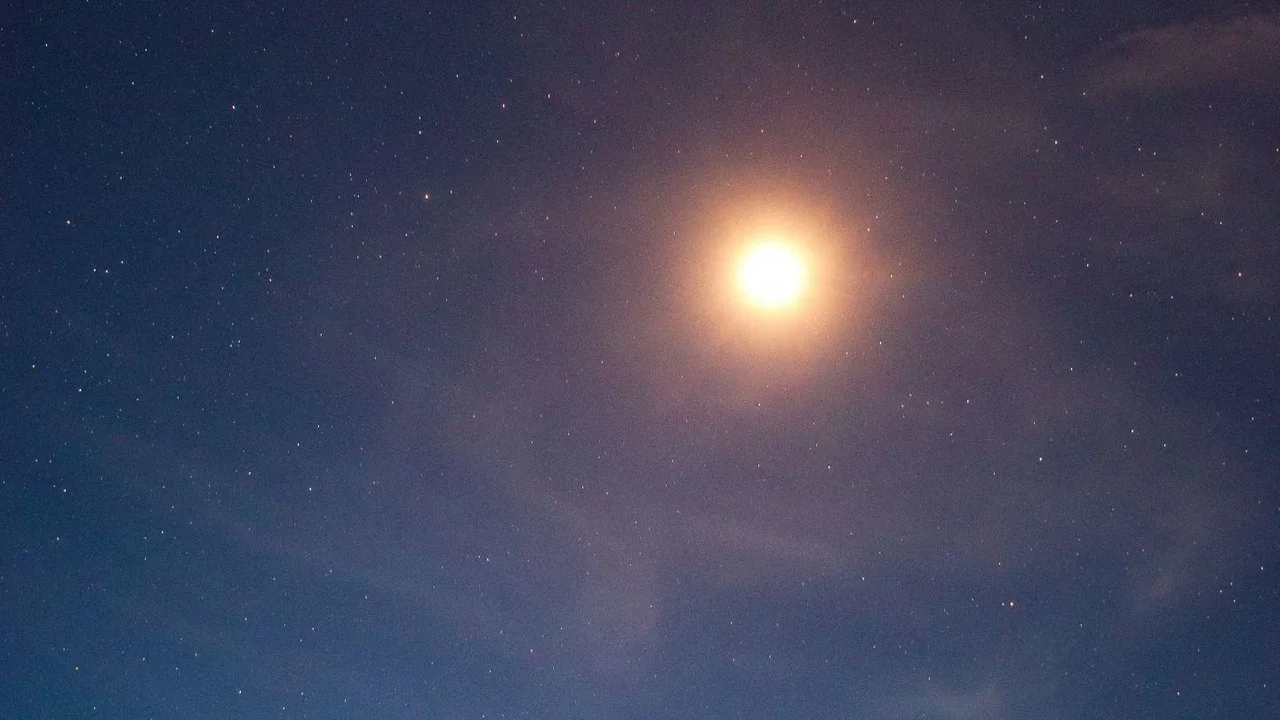
Mark your calendars for the nights of October 23 and 24, 2026. During this period, the nearly full Moon will make its way past Saturn. On the evening of October 24, you can expect to see the Moon appear close to the ringed planet. For viewers in India, the best time to look will be after sunset. Saturn itself will be a prominent fixture in the October sky, having reached opposition—its closest and brightest point for the year—on October 4. This means it will rise around sunset and remain visible for most of the night, making it an easy target. Look towards the eastern sky after dark to spot the pairing. Saturn will be in front of the constellation Cetus.
What You Will See
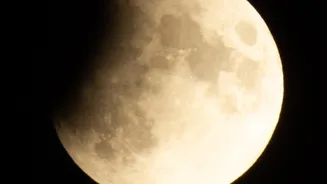
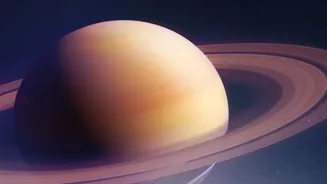
To the naked eye, Saturn will look like a bright, steady, golden or creamy-white point of light, noticeably different from the twinkling stars around it. Its proximity to the bright Moon during the conjunction will make it unmistakable. While the planet itself is easily visible without any equipment, its most famous feature—the magnificent rings—requires optical aid. The Moon will be nearing its full phase, known as the Hunter's Moon, which occurs on October 26, meaning it will be exceptionally bright. This brightness might wash out fainter stars, but the brilliance of Saturn ensures it will still stand out.
How to Get the Best View
For the best experience, find a location away from bright city lights, as light pollution can significantly dim your view of the cosmos. Allow your eyes about 20-30 minutes to adapt to the darkness; this will help you see more detail. While you can enjoy the conjunction with just your eyes, a good pair of binoculars will enhance the view, offering a sharper look at Saturn and the craters on the Moon. To see Saturn’s rings, a small telescope is necessary. Even a basic beginner telescope can reveal the rings, which are made of countless chunks of ice and rock. Using a stargazing app on your phone, like Stellarium or Sky Guide, can also help you pinpoint the exact location of the planets and constellations in real-time.
Other Sights in the October Sky
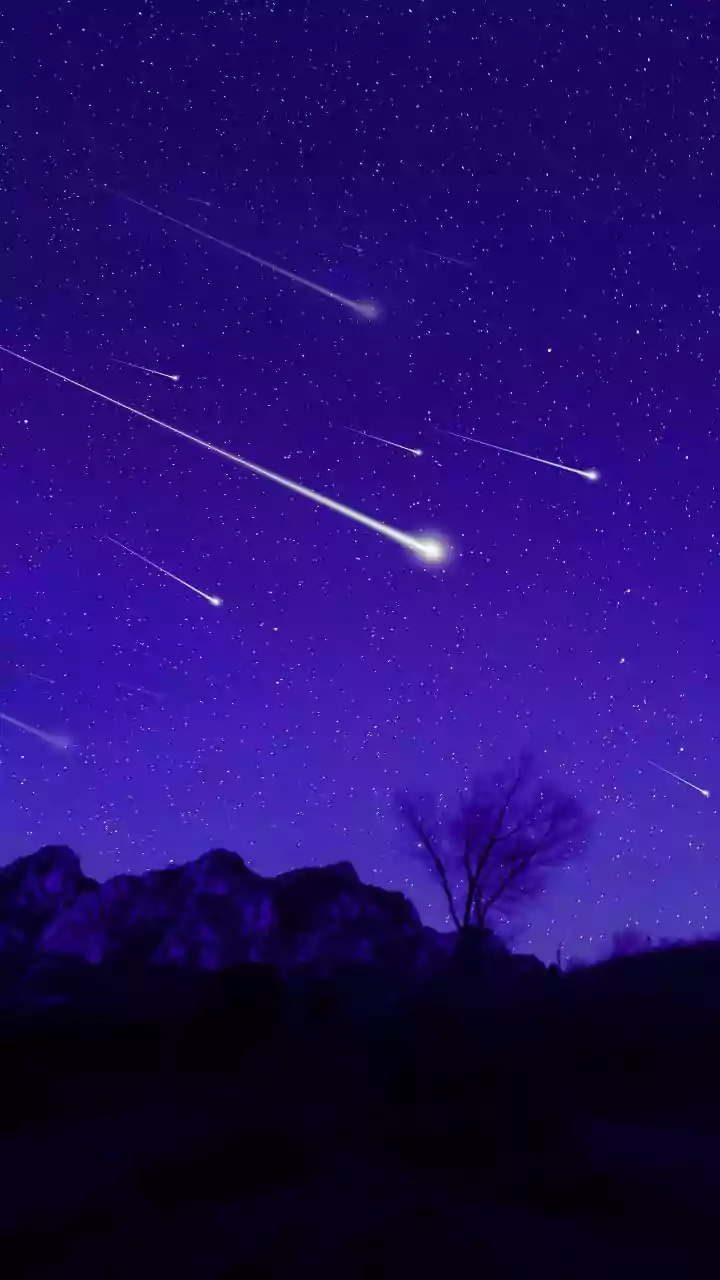
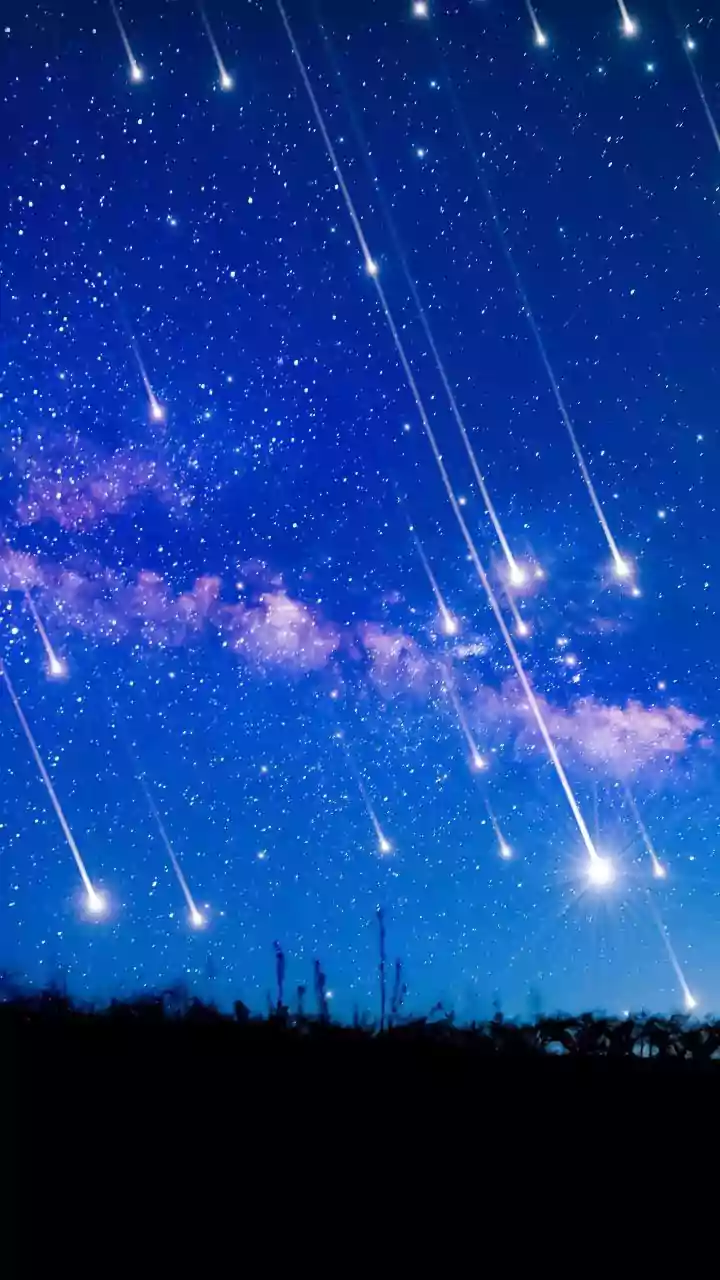
October 2026 is a fantastic month for skywatching. Besides the Moon-Saturn event, you can also look forward to other celestial highlights. The Draconid meteor shower peaks on the night of October 8-9. Later in the month, the Orionid meteor shower, known for being debris from Halley's Comet, will peak on October 21-22, potentially producing up to 20 meteors per hour in dark skies. On October 27, the Moon will pass close to the beautiful Pleiades star cluster, an event known as a lunar occultation. For planet watchers, Jupiter and Mars will also be putting on a show in the pre-dawn sky throughout the month.