
The End of the Guest-Ready Museum
For decades, the Indian living room—or drawing room—often served a single, ceremonial purpose: to awe visitors. It was a space of performative grandeur, featuring imposing sofa sets, ornate centre tables, and vast, untouched floors meant to communicate
affluence. This room was frequently kept under wraps, a pristine chamber only unveiled for special occasions, while daily life unfolded in smaller, less formal parts of the house. The furniture was chosen for its impressive appearance, not for everyday comfort. This idea of the home as a public statement is now being replaced by a desire for spaces that reflect personal identity and support the rhythms of daily life.
The Rise of Authentic, Lived-In Comfort
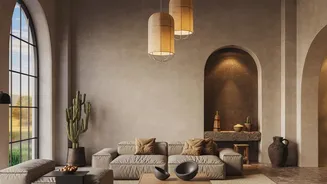
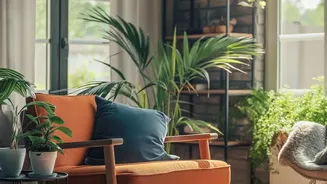
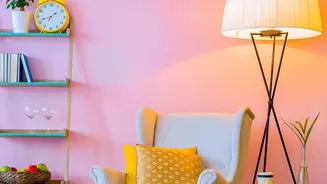
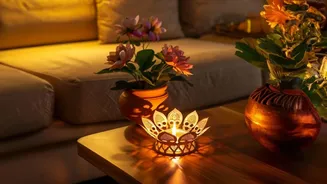
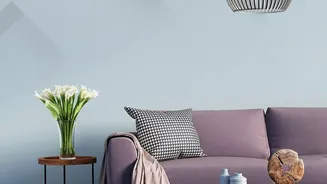
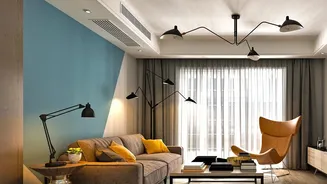
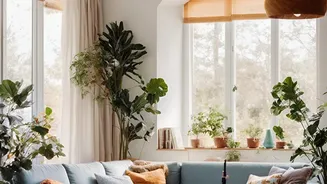
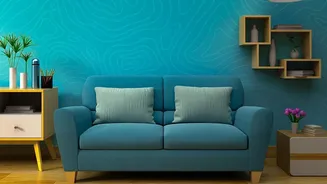
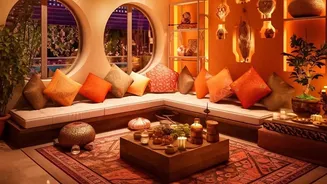
The new Indian living room is defined by what designers call a 'lived-in' feel. This aesthetic champions comfort, functionality, and individuality over sterile perfection. It's a space that tells a story, filled with personal collections, family photos, and travel souvenirs. The shift is materialised through the use of warm, natural materials like wood, cane, and stone, and an abundance of textiles such as handwoven rugs and block-printed cushions that add texture and depth. Furniture is increasingly chosen for its comfort and flexibility—sofas you can sink into, and multi-functional pieces like storage ottomans that serve a practical purpose in compact urban homes. The goal is no longer a flawless display home, but a warm, intentional, and inviting environment.
Why the Shift is Happening Now
Several cultural and social factors are driving this change. The pandemic was a major catalyst, transforming homes into offices, schools, and personal sanctuaries, forcing a re-evaluation of every square foot. As people spent more time indoors, the impracticality of cold, formal spaces became glaringly obvious. This coincided with a generational shift. Millennials and Gen Z are showing a renewed appreciation for cultural roots, handcrafted goods, and sustainability over mass-produced items. There is a growing desire for homes that are a personal reflection of one's identity and values, rather than a showcase of wealth. This trend is also a practical response to urbanisation, where smaller apartment sizes necessitate fluid, multi-purpose living areas.
A New Definition of Grandeur
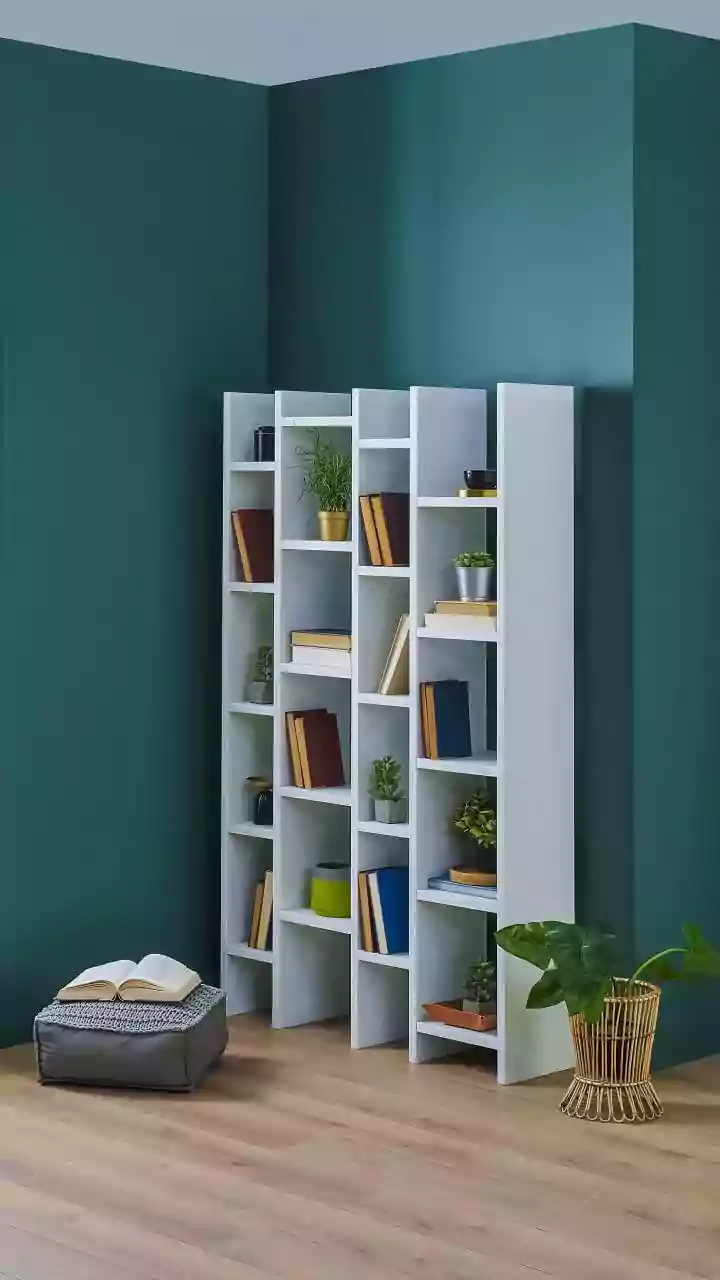
This move towards lived-in interiors does not mean an end to luxury. Instead, it signifies a redefinition of it. Today's grandeur is less about sheer scale and more about the quality of experience and materials. Luxury is now found in the richness of a handcrafted textile, the authenticity of a piece of folk art, or the emotional comfort of a well-designed personal corner for reading or enjoying coffee. Designers note that homeowners are now more discerning about proportion and atmosphere. A well-composed room with thoughtful lighting and meaningful objects can feel far more luxurious than a vast, empty hall. The focus has shifted from announcing wealth to creating an atmosphere of quiet, personal luxury.