





The Science of Serenity
The idea that being around nature is good for us is not just a feeling; it is backed by science. The 'biophilia hypothesis' suggests that humans have an innate tendency to connect with nature and other forms of life. Bringing plants indoors is a direct
way to satisfy this subconscious need. Studies have shown that interacting with houseplants can lower stress hormones like cortisol, reduce blood pressure, and calm our nervous system. In one study, participants who engaged in a simple task with a plant showed a greater reduction in stress compared to those who performed a task on a computer. The presence of greenery has also been linked to improved concentration and focus, making plants a great addition to a home office or study area.
More Than Just a Pretty Leaf
While the aesthetic appeal of a lush fern or a vibrant money plant is undeniable, their benefits go far beyond decoration. Many common houseplants are known for their air-purifying qualities. Early research, notably by NASA, found that plants can help filter common indoor pollutants like formaldehyde and benzene from the air. While you would need a significant number of plants to rival a modern air purifier, they certainly contribute to a fresher indoor environment. Plants also add a dynamic, living element to a room, making a static space feel more alive and welcoming. Rooms with plants are often perceived as more comfortable and restorative.
Designing with Greenery
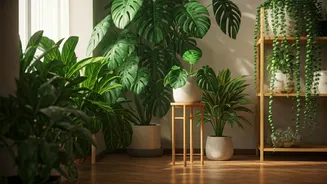
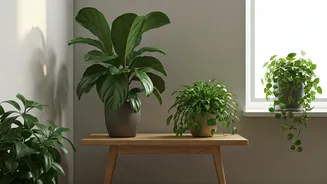
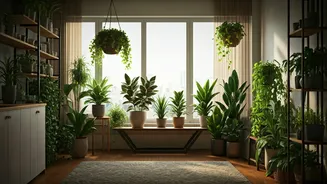
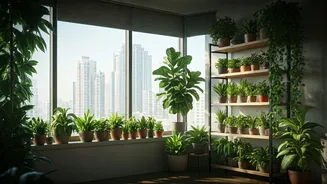
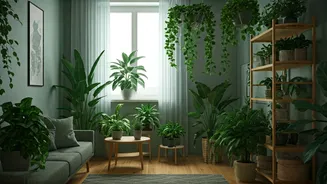
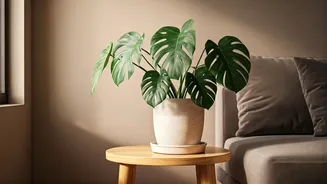
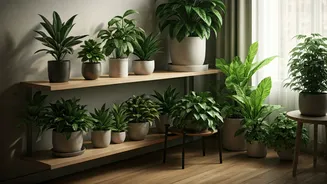
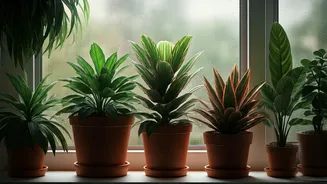
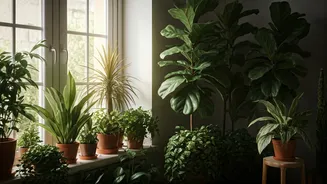
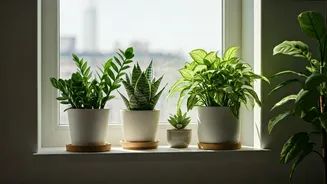
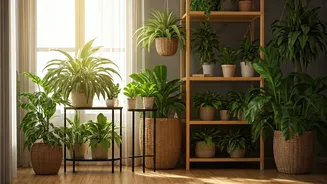
Incorporating plants into your decor can be a creative and rewarding process. You don't need to turn your home into a jungle to feel the benefits. Start by identifying spots that could use a touch of life, such as an empty corner, a bare shelf, or a bathroom that could feel more like a spa. Play with variety in size, shape, and texture to create visual interest. A large, statement plant like a Fiddle Leaf Fig or Areca Palm can serve as a stunning focal point in a living room. Smaller plants, like succulents or spider plants, can be grouped together on a windowsill or shelf. Using planters that match your existing decor can create a cohesive, stylish look.
Easy-Care Plants for Indian Homes
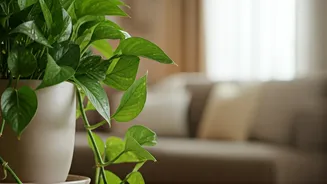
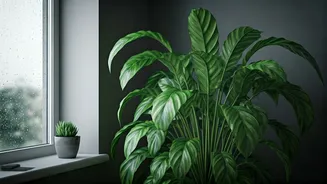
For those new to plant parenthood, starting with low-maintenance varieties is key to building confidence. Many houseplants are tropical in origin and thrive in Indian climatic conditions. The Snake Plant is incredibly hardy, tolerating low light and infrequent watering while also being an excellent air purifier. The Money Plant (Pothos) is another forgiving choice that grows quickly and can be placed in various light conditions. Spider Plants are adaptable and known for producing 'babies' that can be easily repotted. For a touch of green in a brighter spot, an Aloe Vera plant is a great option that requires minimal watering. The Peace Lily, with its elegant white flowers, will even droop slightly to let you know when it needs water.
A Ritual of Care
The act of caring for plants can itself be a form of therapy. The routine of watering, pruning, and checking for new growth encourages mindfulness, pulling your attention away from daily stressors and grounding you in the present moment. This gentle responsibility fosters a sense of purpose and accomplishment. Watching a plant thrive and grow under your care offers a quiet satisfaction, a reminder of the simple, positive changes you can cultivate in your own environment. This connection to a living thing can help combat feelings of loneliness and enhance overall psychological well-being.