





Hydration Is Your First Priority
Before you even think about food, focus on water. Dehydration can lead to headaches, fatigue, and general discomfort, which you want to avoid on a long trip. Carry at least one large reusable water bottle per person and refill it at stations with safe
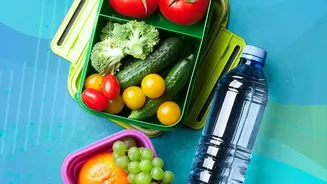
drinking water facilities. While sealed, branded bottled water is a safe bet, carrying your own helps reduce plastic waste and saves money. To supplement your water intake, consider packing hydrating fruits like oranges and grapes. You can also carry electrolyte powders or rehydration tablets to add to your water, especially if you are travelling in hot weather. A small thermos with hot water can also be a lifesaver, useful for making instant porridge, tea, or for preparing baby food.
The Ultimate Homemade Food List
Home-cooked food is the safest and most comforting option for the first leg of your journey. Focus on dry or semi-dry preparations that won’t spoil quickly. Theplas and parathas are classic travel companions because they last well and are easy to eat. Similarly, puris with a dry sabzi can last for several hours. Other excellent options include idli with chutney powder, poha, and tamarind or lemon rice, which can stay fresh for at least 12 hours. Pack these meals in high-quality, leak-proof containers to avoid messy spills. Wrapping rotis and parathas in aluminium foil can help prevent them from getting soggy.
Smart Snacking for All Ages
Snacks are crucial for keeping hunger at bay between meals and for managing travel with children. Pack a variety of dry snacks that provide sustained energy. Roasted makhana (fox nuts), khakhra, nuts like almonds and cashews, and homemade laddoos are all excellent choices. For a quick energy boost, dates are a fantastic option. If travelling with toddlers, pack familiar, low-mess finger foods like baked mathis, ragi cookies, or plain biscuits. It’s wise to portion snacks into smaller bags or containers to maintain hygiene and prevent the whole batch from getting contaminated.
Navigating Station Vendors and E-Catering
For journeys longer than 24 hours, you'll likely need to supplement your packed food. Be cautious with food from station vendors, as hygiene can be a concern. Packaged snacks, biscuits, and bottled drinks are generally safe. If buying cooked food, look for busy stalls where the food turnover is high. A more reliable option is the IRCTC e-catering service, which allows you to order meals from partner restaurants to be delivered to your seat at major stations. This service offers a wide variety of cuisines and can be a convenient way to get a hot, fresh meal. You can order through official apps or websites like Zoop.
Food Safety and Hygiene on the Go
Maintaining hygiene is paramount to avoiding travel-related illnesses. Always carry hand sanitiser or sanitising wipes and use them before every meal. Pack your food in clean, airtight containers; plastic is fine for cold items, while foil containers are better for hot food. Avoid carrying foods that spoil easily, like those with creamy sauces, cut fruits that leak, or anything that requires reheating, as you won't have access to a microwave. For the first 6-8 hours, food in an insulated bag can stay fresh, but beyond that, it's best to stick to dry, non-perishable items.