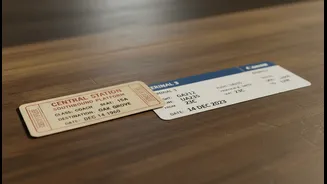









The Flaw in Conventional Travel Planning
For decades, the standard advice for planning a trip has been consistent: book your flights first, then your accommodation, and finally, fill in the activities. This approach is built on the logic that flight prices are the most volatile and that locking
in a good fare is the top priority. For many routine holidays, this system works perfectly well. However, it contains a critical flaw when your trip is built around a single, non-negotiable highlight. The conventional method treats the most important part of your trip as the last and most flexible piece of the puzzle. This is a recipe for disappointment when that key experience has limited capacity, a specific date, or is in extremely high demand. If the entire reason for your journey is to dine at a world-famous restaurant or attend a specific festival, finding it fully booked after you've committed to flights and hotels can derail the whole purpose of the trip.
Identify Your 'Anchor Experience'
The alternative is to flip the script and adopt an 'anchor experience' strategy. This means you identify the single most important activity—the anchor—and build the rest of your trip around it. This method is essential for a specific category of experiences where demand far outstrips supply. These include reservations at Michelin-starred or globally recognized restaurants, which can book out months or even a year in advance. It also applies to major cultural or sporting events like the Olympics, Wimbledon, or the Ryder Cup, where tickets are scarce. Similarly, activities with strict capacity limits, such as permits for hiking the Inca Trail, guided tours of popular sites like the Alhambra, or small-group workshops with a renowned artisan, fall into this category. If your trip's success hinges on one of these high-stakes activities, it must become your planning priority.
A New Order of Operations
Planning a trip around an anchor experience requires a different workflow. First, research the booking process for your chosen activity meticulously. When do reservations or tickets go on sale? Do they use a specific app like Resy or Tock, or is it a direct phone call at a specific time? Set calendar alerts and be ready the moment the booking window opens. Once you have successfully secured your spot—and only then—do you move on to flights and accommodation. This is where flexibility becomes your greatest asset. Use flight search tools like Google Flights to compare fares for the days surrounding your booked experience. Flying a day earlier or later can often lead to significant savings. When booking your hotel, look for options with free cancellation or flexible booking policies. This provides a safety net if your plans need to shift slightly and protects you from losing money.
Managing the Risks and Rewards
This reverse-planning approach is not without its own set of considerations. By booking your experience first, you might end up paying more for last-minute flights than you would if you had booked months in advance. However, this potential extra cost should be weighed against the certainty of getting to do the one thing your trip is all about. What is the point of a cheap flight to a destination if you miss out on the main event? To mitigate the risk, start your planning early. Even if you book the activity first, you should still be able to find reasonable flight and hotel prices if you are several months out from your travel date. The reward of this strategy is a trip free from the anxiety of uncertainty. You travel knowing that the core reason for your journey is confirmed. The rest of the itinerary—the supporting cast of sights, meals, and moments of discovery—can be built around that guaranteed highlight, creating a more fulfilling and less stressful travel experience.