





The Strategic Importance of Number Four
In Test cricket, the number four batting position is arguably the most crucial. This batsman often walks in after the initial fireworks against the new ball are over, but is also expected to face a relatively fresh bowling attack. The role demands a unique
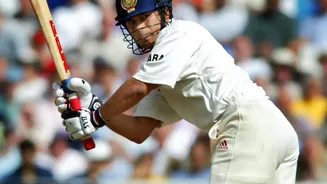
combination of solid defensive technique, the ability to absorb pressure, and the skill to dominate and build a large innings. For much of his career, Tendulkar was India's best batsman, and the team management, including captains and coaches, believed his talents were best utilised in this pivotal role. He had the temperament to handle both a top-order collapse and a strong start, making him the perfect anchor around whom the rest of the batting lineup could function. He batted at number four for the majority of his career, scoring a staggering number of runs and 51 Test centuries.
Protecting the Team's Greatest Asset
Sending your best batsman to face the brand-new ball, especially on challenging overseas tours in England, Australia, or South Africa, is a high-risk strategy. An early dismissal of a player like Tendulkar could have a demoralising effect on the entire team. By placing him at number four, the team's strategists provided a buffer. The openers were tasked with seeing off the new ball's initial shine and venom, making conditions slightly more favourable for Tendulkar when he arrived at the crease. This approach aimed to maximise his potential for scoring big hundreds, which he did with remarkable consistency, rather than risk losing him early in the innings.
A Wealth of Opening Options
Throughout the 1990s and 2000s, India had a succession of specialist openers. In the 90s, players like Navjot Singh Sidhu and Manoj Prabhakar were regulars at the top. The late 90s and early 2000s saw a period of experimentation with various combinations, including Sadagoppan Ramesh, SS Das, and others. This search ultimately ended with the discovery of Virender Sehwag as a destructive Test opener, who was later joined by the stoic Gautam Gambhir. The success of the Sehwag-Gambhir pairing, one of India's most prolific, meant there was no need to disturb a settled and highly effective opening combination.
The ODI Opening Masterstroke
Interestingly, Tendulkar's legendary run as an opener in One Day Internationals began almost by accident. In 1994, he had to 'beg and plead' with team management for a chance to open the innings when the regular opener was unavailable. He seized the opportunity, smashing 82 off 49 balls, and the rest is history. This move revolutionised ODI batting, but the team's brains trust correctly identified that the demands and strategies of the two formats were different. His aggression was perfectly suited to the field restrictions of ODIs, while his technical perfection was deemed indispensable for controlling the middle overs of a Test match.
The One Time He Did
While he built his Test legacy from the middle order, there was one solitary occasion when Tendulkar did open the batting in a Test match. It happened in the second innings of a 1999 Test against New Zealand in Ahmedabad. After scoring a double-century at his usual number four spot in the first innings, he was sent in to open in the second. However, the experiment was short-lived as he was dismissed for a low score. This brief, almost forgotten instance only serves to highlight how ingrained and successful his role in the middle order was.