







The New Bali Work-Life Balance
For years, Bali has been a magnet for tourists, yogis, and surfers. Now, it’s cementing its status as a global hub for a new kind of professional: the digital nomad. Armed with laptops and flexible work schedules, these remote workers are flocking to the 'Island
of the Gods' not just for its beaches and vibrant culture, but for a lifestyle that blends productivity with well-being. Following the global shift towards remote work, Bali has seen a significant influx of these professionals, further encouraged by Indonesia’s introduction of a 'Second-Home Visa' that allows for longer stays. This new demographic, however, is often more discerning than the average tourist. They aren't just passing through; they are settling in for months at a time, seeking community and a deeper connection to their environment.
Beyond Fast Wi-Fi and Good Coffee
What does this new wave of digital nomads want? The essentials, of course: reliable internet, comfortable workspaces, and a good cup of coffee are non-negotiable. But beyond that, their priorities are shifting. Many are actively seeking environments that align with their values of sustainability, wellness, and community. They are moving away from sterile hotel rooms and towards places that offer a more holistic experience. This includes access to yoga classes, healthy food, co-working spaces that foster collaboration, and, most importantly, a commitment to environmental responsibility. They don't want to just work in paradise; they want to feel that their presence isn't harming it. This conscious consumerism is reshaping Bali's hospitality landscape.
What Makes a Resort 'Eco-Certified'?
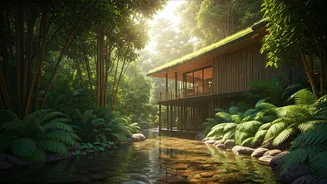
The term 'eco-friendly' can be vague, but 'certified' adds a layer of accountability. In Bali, many of the top-tier sustainable resorts seek verification from internationally recognised bodies like Green Globe or EarthCheck. These certifications aren't just handed out for having bamboo straws. To become certified, a resort must meet stringent criteria across multiple areas. This includes everything from energy and water conservation systems to robust waste management and recycling programs. It also extends to social responsibility, such as employing local staff, sourcing food from nearby organic farms, and contributing to community development projects. These resorts are designed from the ground up to minimise their environmental footprint, using sustainable building materials like reclaimed wood and bamboo, and integrating seamlessly into the natural landscape.
A Symbiotic Relationship
The connection between eco-resorts and digital nomads is a natural fit. For the nomads, these resorts provide the perfect ecosystem: a beautiful, inspiring place to work that also offers wellness activities, a built-in community of like-minded people, and the peace of mind that comes with making a sustainable choice. They can focus on their work knowing they are in an environment that supports their well-being and values. For the resorts, this demographic is a blessing. Digital nomads provide a steady, reliable stream of revenue, especially during the traditional off-seasons. Unlike tourists who stay for a week, nomads often book for a month or more, creating a stable and predictable business model. Their longer stays also mean they are more likely to invest in the local community, which aligns perfectly with the social mission of these eco-resorts.
Pioneers of Green Co-Working
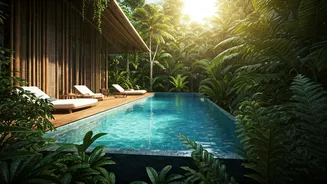
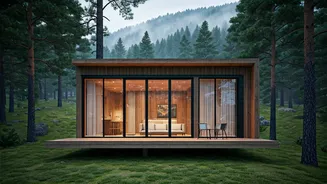
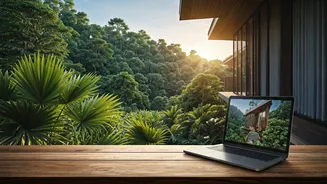
This trend is already visible across the island. Places in and around cultural centres like Ubud and coastal hotspots like Canggu have become pioneers. You'll find resorts built entirely from bamboo, offering stunning co-working spaces overlooking lush rice paddies. Others operate on a 'farm-to-table' ethos, where the menu is sourced directly from their on-site permaculture gardens. These aren't just hotels with a desk; they are fully integrated living and working environments. They host workshops, skill-sharing sessions, and community dinners, transforming the solitary experience of remote work into a communal one. By blending luxury, sustainability, and productivity, they are creating a blueprint for the future of work and travel.