




The Unseen Risks in Full Bloom
In the vibrant tapestry of Indian celebrations, from weddings to festivals like Diwali, flowers are central to the aesthetic and tradition. Garlands of marigolds, elegant displays of lilies, and fragrant jasmine adorn every corner. But these beautiful
blooms can carry a downside. The most significant risk is staining. A fine dusting of yellow or orange pollen from a lily can create a stubborn stain on a pristine white sherwani or a delicate silk sari. Beyond aesthetics, there's the comfort of your guests. Heavy pollen shedders can trigger allergic reactions in sensitive individuals, leading to sneezing, itchy eyes, and discomfort. Finally, excessive petal and pollen drop means more mess to manage during and after the event, detracting from an otherwise flawless experience.
The Simple Shake Test: A Crucial Step
Before your floral arrangements take centre stage, a simple pre-emptive check can save you a world of trouble. Florists and event planners recommend a straightforward 'shake test'. To perform it, hold a sample bloom over a dark piece of paper or cloth. Give the flower a gentle shake or a light tap. Observe how much pollen or how many small particles fall onto the surface. This will give you an immediate idea of how much it's likely to shed. It's also wise to see how the flower behaves as it ages. A bloom that is neat when fresh might start to drop petals or pollen after a day without water. Performing this test during the selection process with your decorator allows you to make informed choices before finalising large orders.
Flowers to Watch: The Usual Suspects
Certain flowers are more notorious for shedding than others. Lilies, especially varieties like the Stargazer, are famous for their abundant, stain-causing pollen. Sunflowers and some varieties of daisies also have prominent, pollen-heavy centres. Even the ubiquitous marigold (genda), a staple in Indian festivities, can shed fine particles and petals, especially as garlands dry out. While culturally significant, it’s worth considering their placement. Jasmine (mogra), beloved for its fragrance, also tends to drop its delicate flowers, which can be a slipping hazard or look messy on dark flooring. Knowing which flowers are prone to shedding helps you plan their placement strategically.
Managing Your Favourites Safely
What if your heart is set on a flower known for its messy habits? Fortunately, there are management techniques. For lilies, the most effective method is to carefully remove the anthers—the yellow, pod-like tips of the stamens—as soon as the flower opens. This can be done with small scissors or tweezers and completely prevents the pollen from developing and spreading. You can ask your florist to do this for you. For other flowers, strategic placement is key. Keep high-shedding arrangements away from high-traffic areas, seating, and food stations. Place them in well-ventilated areas to help disperse airborne pollen.
Low-Shed, High-Impact Alternatives
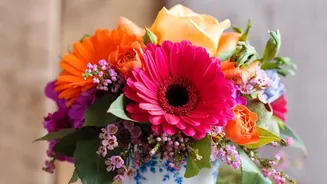
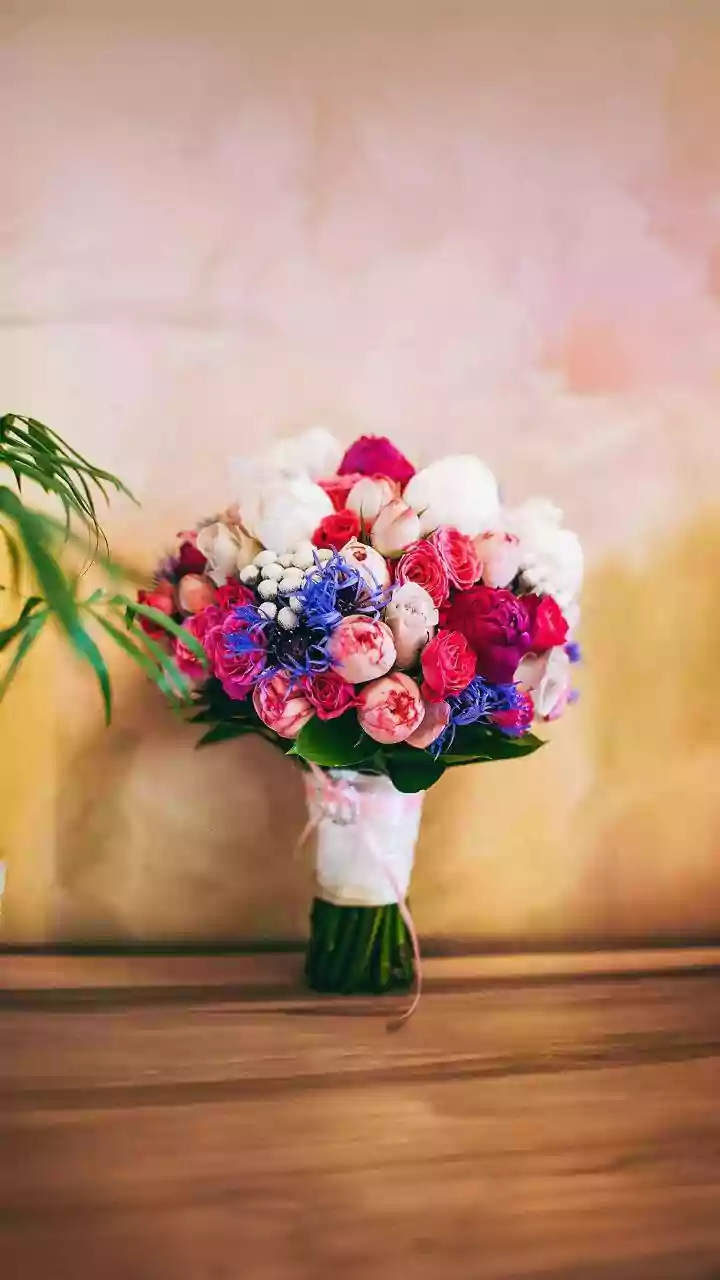
For a worry-free event, consider opting for naturally low-pollen and low-shedding flowers. Roses are an excellent choice, as their pollen is heavy and generally stays contained within the dense petals. Orchids are another fantastic, hypoallergenic option because their pollen is sticky and not airborne. Hydrangeas offer lush, full blooms with very little pollen. Carnations, available in a vast array of colours, are hardy and their ruffled structure keeps any pollen well-contained. These flowers provide all the beauty and impact you desire for your decor without the associated risks of stains and sniffles, ensuring your celebration is remembered for all the right reasons.