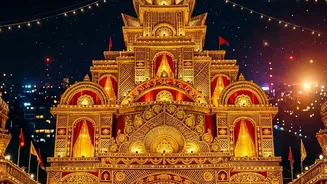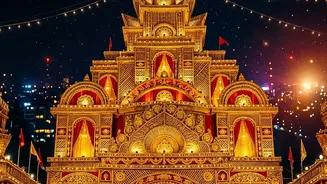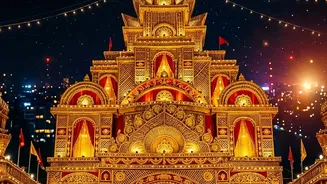


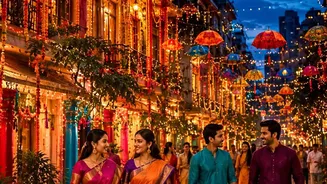
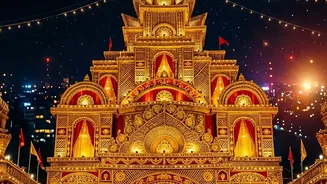
Understanding the Scale of Deepotsav 2026
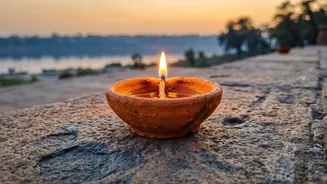
The tenth edition of Ayodhya's Deepotsav is set to be its largest, with the main event on November 7. Officials are preparing to light more than 30 lakh earthen lamps (diyas) across 56 ghats along the Saryu river, aiming to surpass last year's Guinness
World Record of over 26 lakh. This massive scale, which has seen visitor numbers in Ayodhya jump from around 2.84 lakh in 2017 to over 16.4 crore in 2024, means that planning is not just recommended; it is essential. The celebrations will feature grand processions, cultural programmes, and a stunning aerial show with 2,100 drones depicting the Ramayana.
Booking Travel and Accommodation Early
With a massive influx of visitors expected, securing travel and lodging well in advance is critical. Hotels and homestays in Ayodhya are reporting full occupancy for the festival period, with many booked out from November 2 through November 10. Visitors should book flights to Maharishi Valmiki International Airport or train tickets to Ayodhya Dham Junction as early as possible. The transport department plans to operate additional buses, but expect high demand. If accommodation in Ayodhya is unavailable, consider staying in nearby cities like Lucknow, which is approximately a two-hour drive away.
Navigating the City and Crowds
The Uttar Pradesh government is implementing extensive crowd and traffic management plans to ensure safety. A detailed traffic diversion plan will be in effect from the night of November 6 until November 8, restricting the movement of vehicles on many internal roads. Ram Ki Paidi, the main venue for the diya lighting, and Saryu Ghat are the best places to witness the spectacle, but you must arrive early to secure a spot. Be prepared for barricades and one-way pedestrian routes designed to manage flow. Using e-rickshaws for local travel is advised, but many central areas will be best navigated on foot.
Key Events and How to Experience Them
The main Deepotsav celebrations run from November 5 to 7. Key events include the Shobha Yatra, a grand procession with Ramayana-themed tableaus, which begins at Saket Mahavidyalaya. The main diya lighting at Ram Ki Paidi takes place at dusk on November 7, followed by the grand Saryu Aarti, a laser show, and the drone performance. To avoid the densest crowds, consider visiting key temples like Ram Janmabhoomi and Hanuman Garhi in the morning. Note that phones, bags, and belts are not allowed inside the Ram Janmabhoomi complex, though free locker services are available.
Essential Safety and Practical Tips
Authorities have significantly beefed up security, with roundtheclock monitoring and heavy police deployment. Always carry a physical ID. For your comfort and safety, wear comfortable footwear suitable for walking long distances. Stay hydrated and carry essential personal items, but travel light. Over $30 mobile toilets and numerous drinking water facilities will be available, and sanitation crews will be working continuously. If you are visiting with children or elderly family members, be extra vigilant in crowded areas and establish a meeting point in case of separation.