


Swap White Rice for Millets or Brown Rice
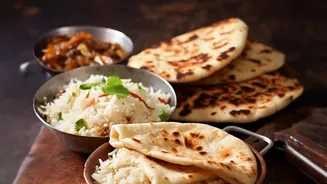
White rice is a staple, but the polishing process strips away most of its natural fibre. Millets like jowar, bajra, and ragi are excellent alternatives packed with nutrients and complex carbohydrates. They contain significantly more fibre, which aids
digestion, helps manage blood sugar levels, and keeps you feeling full for longer. For instance, some studies note that millets have more than three times the fibre of white rice. If you're not ready to switch completely, brown rice is another great option, retaining the fibre-rich bran layer that white rice loses. Start by mixing a small portion of millet or brown rice with your white rice, gradually increasing the ratio as your family gets used to the nuttier taste and heartier texture.
Choose Whole Wheat Atta Over Refined Flour
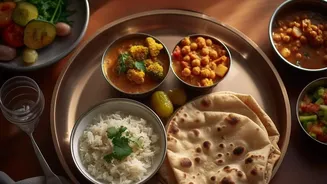
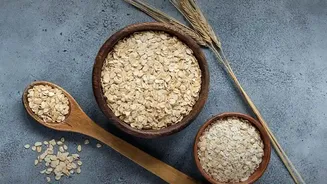
The difference between whole wheat atta and refined flour (maida) lies in the processing. Whole wheat flour is made by grinding the entire grain, including the fibre-heavy bran and nutrient-rich germ. Maida, on the other hand, is made from just the starchy endosperm, leaving most of the fibre and micronutrients behind. By simply using whole wheat or multigrain atta for your daily rotis, parathas, and theplas, you ensure your meals have a strong fibre foundation. This simple switch is crucial for everything from digestive health to providing sustained energy. While maida has its place in occasional treats, making whole grains your default is one of the most effective changes you can make.
Prioritise Whole Pulses and Lentils
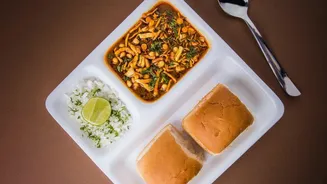
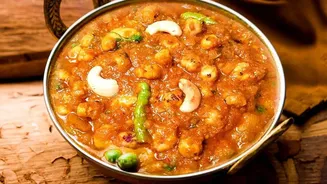
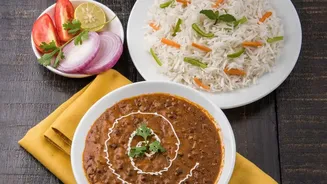
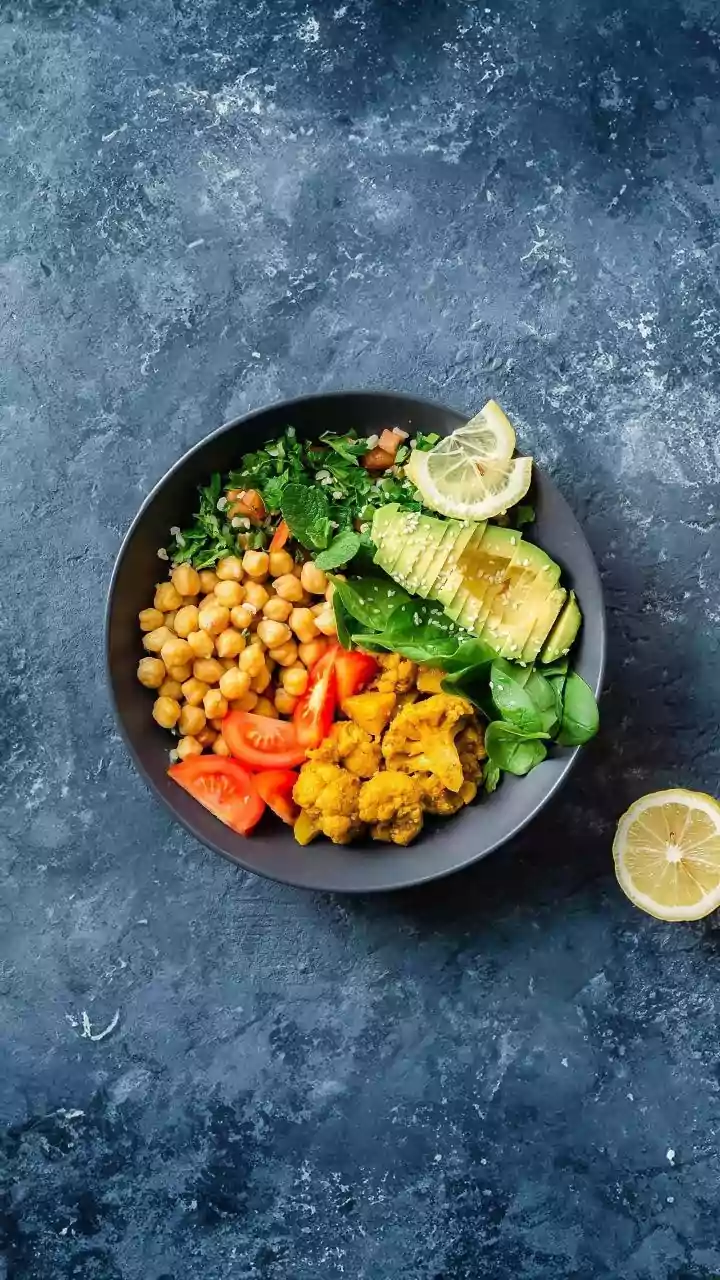
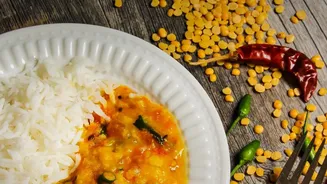
Dals are a cornerstone of Indian cuisine and an easy place to boost fibre. While all lentils are healthy, those with their skins on (whole dals) generally contain more fibre than their split and skinned (dhuli) counterparts. For example, opt for whole masoor or black urad dal when you can. Legumes like chickpeas (chana), kidney beans (rajma), and black-eyed peas (lobia) are also fibre powerhouses. Adding a bowl of dal or a legume-based curry to your main meals is a simple strategy to make your plate more filling and nutritionally balanced. Even adding beans or chickpeas to meat dishes can enhance the fibre content.
Load Up on Fibre-Rich Vegetables
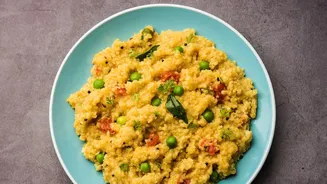
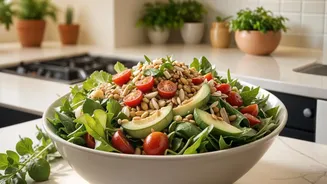
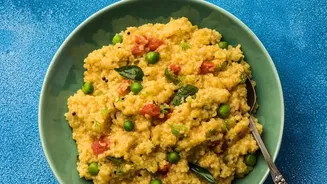
While most sabzis are healthy, some vegetables are particularly high in fibre. Green peas, beans, sweet potatoes, bottle gourd (lauki), and okra (bhindi) are excellent choices to feature more regularly in your cooking. Sweet potatoes, for instance, are a fantastic fibre-rich substitute for regular potatoes in chaats or sabzis. Don't be afraid to add extra vegetables to everything from poha and upma to pulao and dals. A simple rule of thumb is to ensure vegetables make up a significant portion of your plate at lunch and dinner. This not only increases fibre but also adds a variety of vitamins and minerals.
Snack Smarter with Whole Foods
Mid-meal hunger often leads to reaching for packaged, refined-flour snacks. A simple replacement here can make a huge impact on your daily fibre intake. Instead of biscuits or fried namkeen, opt for roasted chana (chickpeas), which is one of the most reliable high-fibre snacks available. A handful of peanuts, a small bowl of sprouted moong salad, or roasted makhana (fox nuts) are other fantastic, filling options. Even a simple fruit like a guava, which is exceptionally high in fibre, is a far better choice than a glass of fruit juice that has been stripped of its natural pulp.