



The New Fashion Heartland
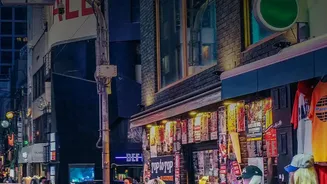
The traditional fashion map of India, once centered on Delhi and Mumbai, is being redrawn. Today, the most dynamic growth is happening in Tier 2 and Tier 3 cities like Indore, Lucknow, Coimbatore, and Jaipur. These emerging urban centers are now the engine
of India's retail expansion, with some reports indicating they account for over 60% of e-commerce transactions. This shift is fueled by rising disposable incomes, widespread internet access, and a youthful population with soaring aspirations. As a result, national and international brands are aggressively expanding their physical and digital footprints, moving into markets they once overlooked. This expansion signifies more than just market growth; it's a recognition that the heart of Indian consumerism now beats strongest in its smaller cities.
The Aspiration-Affordability Paradox
Consumers in non-metro India are exposed to the same global trends as their metro counterparts, thanks to social media and influencers. However, their purchasing decisions are governed by a different set of calculations. While aspirations are high, price sensitivity remains a critical factor. This creates a paradox for shoppers: they desire the trendy styles seen on Instagram but demand affordability and practicality for their daily lives. Unlike in metros where consumers might invest in premium or high-fashion aesthetics, shoppers in smaller cities often prioritize cultural relevance, comfort, and durability. They are not just buying an outfit; they are making a calculated investment and expect tangible value for their money.
Retail's Three-Way Challenge
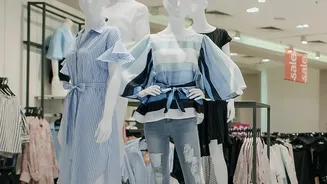
For fashion retailers, this new landscape presents a difficult balancing act. They are caught in a trilemma, pulled in three different directions. First, there's the pressure to deliver fast fashion—constantly refreshing collections to keep up with rapidly changing online trends. Second, there's the consumer's expectation of quality. In these markets, quality often translates to durability and longevity, not just the finish of a garment. Third, and perhaps most importantly, is the non-negotiable demand for value. Brands that succeed are those that can solve this complex equation: offering clothing that feels current and stylish, is built to last, and fits a budget-conscious mindset. Misaligning the product assortment with these expectations can lead to strong footfalls but weak sales conversions.
Redefining Quality and Value
The definition of 'quality' itself is being debated. For some consumers, it’s about robust fabrics and strong stitching that withstand repeated use. For a growing segment of younger, trend-focused shoppers, however, 'quality' might simply mean a garment that looks good for an occasion and survives a few washes. This has fueled the explosive growth of value fashion brands like Zudio and Reliance Trends, which have mastered the art of delivering trendy designs at exceptionally low price points. These brands thrive by focusing on a 'perpetual production' model, ensuring newness in stores almost weekly. Their success highlights a quiet rebellion against traditional notions of long-lasting apparel, prioritizing style accessibility over long-term durability. At the same time, concerns about the environmental impact of this model are beginning to surface.
The Path Forward: A Hybrid Approach
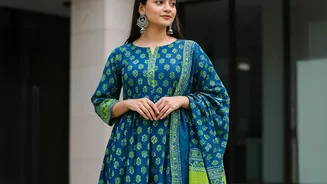
The future of fashion retail in smaller Indian cities will likely belong to brands that adopt a hybrid model. This involves blending the agility of fast fashion with a genuine commitment to value and a nuanced understanding of local tastes. Simply transplanting a metro strategy is no longer enough. Success requires a deeper connection with the consumer, offering curated assortments that feel both aspirational and relevant. Furthermore, there is a growing interest in sustainable practices and authentic craftsmanship, with some consumers looking for unique, 'neo-ethnic' designs that merge traditional textiles with modern silhouettes. This suggests an opportunity for brands that can tell a story about their products, focusing on craftsmanship and authenticity rather than just price.