



The Promise of 'Day Zero'
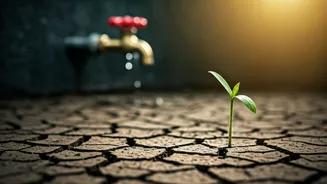
The term 'Day Zero'—the day a city’s taps run dry—is no longer a distant dystopian threat; for many Indian cities, it is an annual possibility. Bengaluru’s recent crisis, where depleted reservoirs and dry borewells forced severe restrictions, is a stark
warning. This isn't an isolated incident. Chennai, Delhi, and Hyderabad have all stared down the same barrel in recent years. Projections from government bodies like NITI Aayog paint a concerning picture: by 2030, India's water demand could be double its available supply, pushing hundreds of millions into severe scarcity. Per capita water availability has been steadily declining, falling into the 'water-stressed' category, a clear sign that the buffer is gone. The crisis is not coming; it is already here, knocking on the doors of our high-rises and informal settlements alike.
A Culture of Casual Disrespect
The root of the problem extends beyond climate patterns and population growth; it is embedded in a culture that treats water as cheap and disposable. In urban India, freshwater is used for everything from washing cars to cleaning pavements, with little thought to its origin or its limits. This mindset is enabled by decades of heavily subsidised water that masks its true economic and environmental value. Leaky pipes and infrastructure neglect contribute to massive losses before water even reaches the tap, with some estimates suggesting nearly 30% is lost in transit. Meanwhile, rampant and unregulated groundwater extraction has made India the world's largest user, draining aquifers far faster than they can be replenished. We are treating a life-sustaining resource with a casualness that borders on contempt.
The Urban Paradox: Floods and Droughts
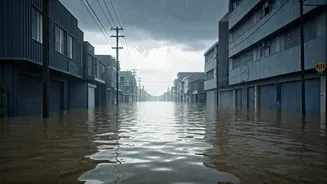
The ultimate irony of India's urban water crisis is the monsoon. The same cities that suffer acute shortages for months are often paralysed by floods when the rains arrive. This paradox highlights a colossal failure of planning and vision. Rampant concretisation has created impermeable surfaces, preventing rainwater from seeping into the ground to recharge depleted aquifers. Historic lakes, ponds, and wetlands that acted as natural sponges have been encroached upon and built over, destroying the city's ability to hold and store water. Every litre of rainwater that rushes down a stormwater drain and into the sea is a lost opportunity—water that could have been captured, stored, and used to alleviate the dry summer months. We have engineered our cities to be simultaneously thirsty and unable to drink.
What 'Respecting Water' Truly Means
Respecting water is not just about turning off the tap while brushing. It demands a fundamental shift at every level. For individuals and communities, it means embracing rainwater harvesting not as a niche hobby but as a default practice. It means demanding and installing systems to treat and reuse 'greywater' from kitchens and showers for non-potable uses like flushing and gardening. For city administrators, respect means making hard choices. It involves conducting water audits and fixing leaky distribution networks to cut down 'Non-Revenue Water'. It requires protecting and rejuvenating the remaining urban lakes and water bodies. And it necessitates moving towards rational water pricing that discourages waste while ensuring equitable access for the poor. The solutions are well-known; what has been lacking is the political and social will to execute them.