






The Digital Deluge
The shift to online learning, while necessary, has tethered students to screens for hours on end. This prolonged exposure is not just about eye strain. Research increasingly links excessive screen time to heightened anxiety. The constant stream of information,
the pressure of virtual performance, and the blue light emitted from devices can disrupt natural processes. Specifically, blue light is known to suppress melatonin, the hormone that regulates sleep, while potentially increasing cortisol, the body's stress hormone. This hormonal imbalance can create a state of hyper-arousal, making it difficult for the nervous system to relax and leading to feelings of restlessness and unease. For children and adolescents, whose brains are still developing, the rapid-fire reward cycles of digital content can also make it harder to find satisfaction in slower, real-world activities, contributing to a cycle of dysregulation.
When the Air Itself Is a Threat
The connection between air pollution and physical health is well-documented, but its impact on mental well-being is a growing concern. Studies specifically looking at Delhi's notorious air quality have found links to increased rates of anxiety, stress, and depression. The mechanism is believed to be physiological. Fine particulate matter, like PM2.5, is small enough to enter the bloodstream after being inhaled, triggering inflammation throughout the body, including the brain. This neuroinflammation can disrupt the function of brain regions responsible for mood regulation and emotional processing. Experts suggest this constant biological stress can amplify the body's stress response, disrupting key brain chemicals like serotonin and dopamine that are crucial for emotional balance. This creates a sense of being emotionally exhausted or irritable, even without an obvious external trigger.
Trapped Indoors: A Sanctuary That Becomes a Cage
When the air outside is toxic, the natural advice is to stay indoors. However, this solution presents its own set of psychological challenges. Being confined, especially for active children and teenagers, can lead to feelings of frustration, loneliness, and a lack of control. Outdoor activities are crucial outlets for physical movement, social connection, and relaxation—all of which are vital for mental well-being. When these are taken away, it removes a key coping mechanism for daily stress. Furthermore, indoor air quality is not always a safe haven. Pollutants like Volatile Organic Compounds (VOCs) from furniture and cleaning products, as well as elevated carbon dioxide levels from poor ventilation, can also contribute to anxiety, headaches, and fatigue. The feeling of being trapped by an invisible, inescapable threat like pollution can become overwhelming, fostering a sense of helplessness that exacerbates anxiety.
What Parents and Students Can Do
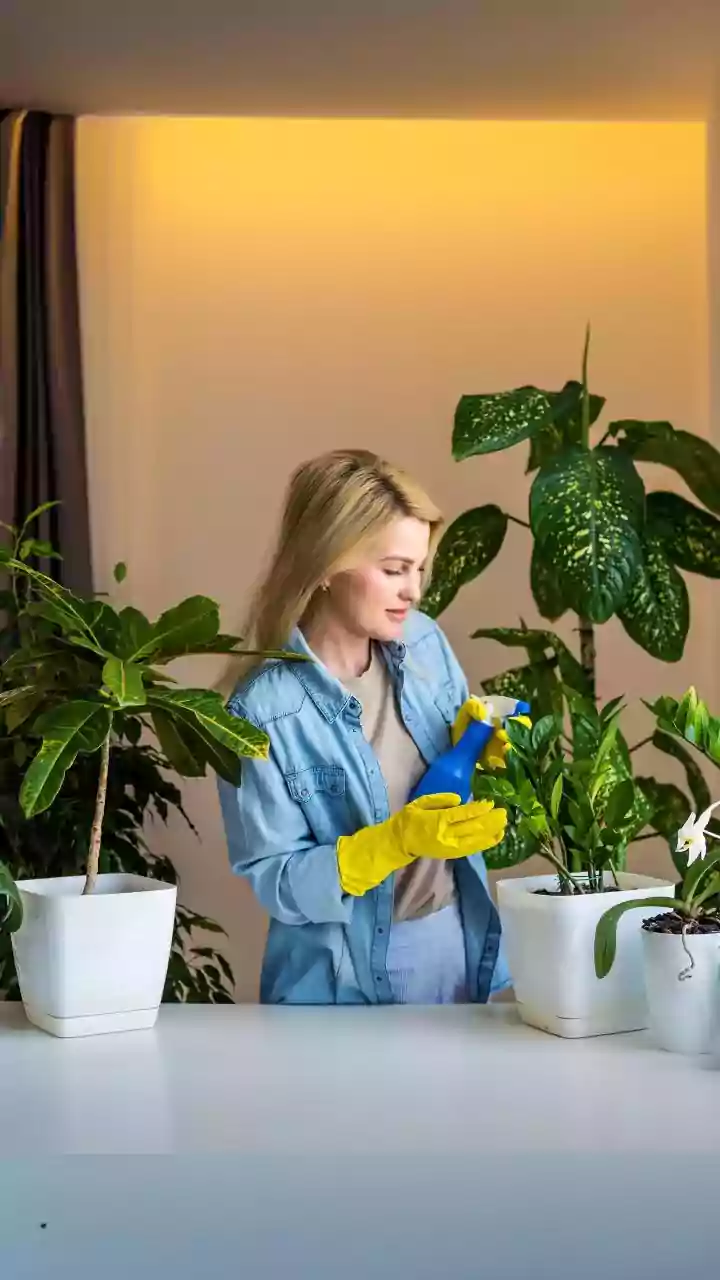
While the larger problems of pollution and educational policy are complex, there are practical steps families can take to mitigate the effects on mental health. 1. Create 'Screen-Free' Zones and Times: Designate certain areas of the home, like the bedroom and dining table, as tech-free. Establishing a digital curfew, such as no screens for an hour or two before bedtime, can help the brain wind down and improve sleep quality. 2. Prioritise 'Green Time': Even small doses of nature can help counteract the effects of screen time and stress. If going outside isn't possible due to pollution, bringing plants indoors, looking at nature scenes, or even ensuring access to natural light can have a positive impact. 3. Improve Indoor Air: While you can't control the city's AQI, you can take steps to improve the air inside your home. Using air purifiers with HEPA filters can help remove particulate matter. Ensuring proper ventilation when possible and reducing the use of products that emit VOCs are also beneficial. 4. Encourage Offline Hobbies: Make a conscious effort to replace screen time with non-digital activities. Board games, reading physical books, drawing, cooking, or playing a musical instrument can provide a much-needed mental break and a different form of engagement. 5. Focus on Movement: Physical activity is a powerful antidote to both anxiety and the effects of being sedentary. If outdoor exercise is not an option, find ways to be active indoors, such as yoga, dance, or simple stretching routines.