







From Landmarks to Lemongrass
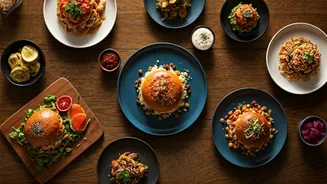
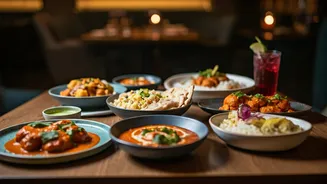
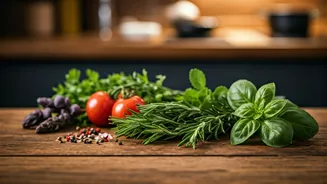
Picture this: a small group of travelers huddles not around an ancient temple, but a sizzling wok. They’re not just tasting Thai green curry; they’re learning to crush the galangal, toast the spices, and balance the holy trinity of sweet, sour, and salty
themselves. This scene, once the domain of niche foodies, is becoming the new face of mainstream tourism. In Northern Thailand’s cultural hub of Chiang Mai, cooking schools are booming, and a significant driver of this trend is a new wave of travelers from India. They’re trading a passive checklist of landmarks for an active, hands-on experience, seeking memories that engage all five senses—not just the camera lens.
The Rise of the 'Do-it-Yourself' Vacation
This isn’t just about food; it’s about a fundamental change in what we value in a vacation. Welcome to the era of experiential travel. At its core, it’s the move away from passive consumption (looking at things) toward active participation (doing things). Instead of simply watching a weaver, you take a class to learn the craft. Instead of just drinking local wine, you help with the harvest. The appeal is rooted in a search for authenticity and connection. In a world saturated with digital perfection, travelers are craving tangible skills, genuine interactions with local culture, and stories that are uniquely their own. The best souvenir is no longer a t-shirt, but the ability to recreate a perfect Pad Thai for friends back home.
India's New Generation of Globetrotters
The surge of Indian travelers in Chiang Mai’s kitchens isn’t an accident. It reflects powerful economic and cultural shifts. India's rapidly growing economy has created a burgeoning middle and upper-middle class with disposable income and a hunger for global exploration. For this younger, more connected generation, travel is a status symbol defined not by luxury logos, but by unique experiences. They’ve seen the Eiffel Tower on Instagram a million times; what they want is a story no one else has. Thailand, with its visa-friendly policies, geographical proximity, and reputation for hospitality, has become a natural first stop. The shared emphasis on vibrant, complex food cultures creates an instant bridge, making a cooking class feel less like a tourist trap and more like a conversation.
Why Chiang Mai is the Perfect Stage
While Bangkok has its buzz and Phuket its beaches, Chiang Mai offers something different: a slower, more intimate immersion in Thai culture. Known as the 'Rose of the North,' the city is a hub for artisans, digital nomads, and wellness seekers. Its ecosystem is perfectly primed for experiential tourism. Dozens of high-quality, affordable cooking schools operate in settings from urban kitchens to organic farms in the countryside. They offer a structured, safe, and accessible way for visitors to step outside their comfort zone and directly engage with the local way of life. For travelers looking to do more than just lie on a beach, Chiang Mai provides a full menu of hands-on activities, from Muay Thai training camps to pottery workshops, with cooking classes leading the charge.
A Glimpse into Travel's Future
The trend unfolding in Chiang Mai is a microcosm of a global phenomenon that affects every traveler, including Americans. The desire for deeper, more meaningful journeys is universal. Destinations and tour operators worldwide are pivoting to meet this demand, developing workshops, classes, and volunteer opportunities that go beyond the surface. It signals a future where the value of a trip is measured in skills learned and connections made, not miles flown or monuments seen. The next time you plan a vacation, you might find yourself asking not just 'Where should I go?' but 'What can I learn?'