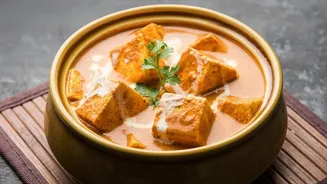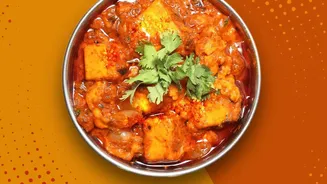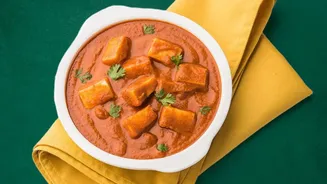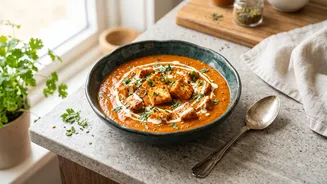



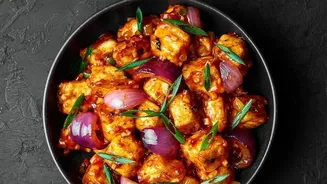
That moment when a creamy, fragrant paneer dish arrives at your table is pure magic. But recreating that magic at home often leads to chewy paneer and flat-tasting gravy. What if you could unlock the secrets to that restaurant-style perfection?
Start With Softer Paneer
The single
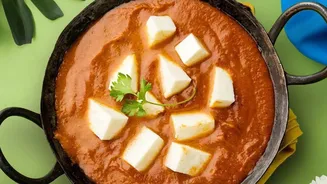
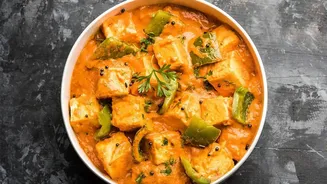
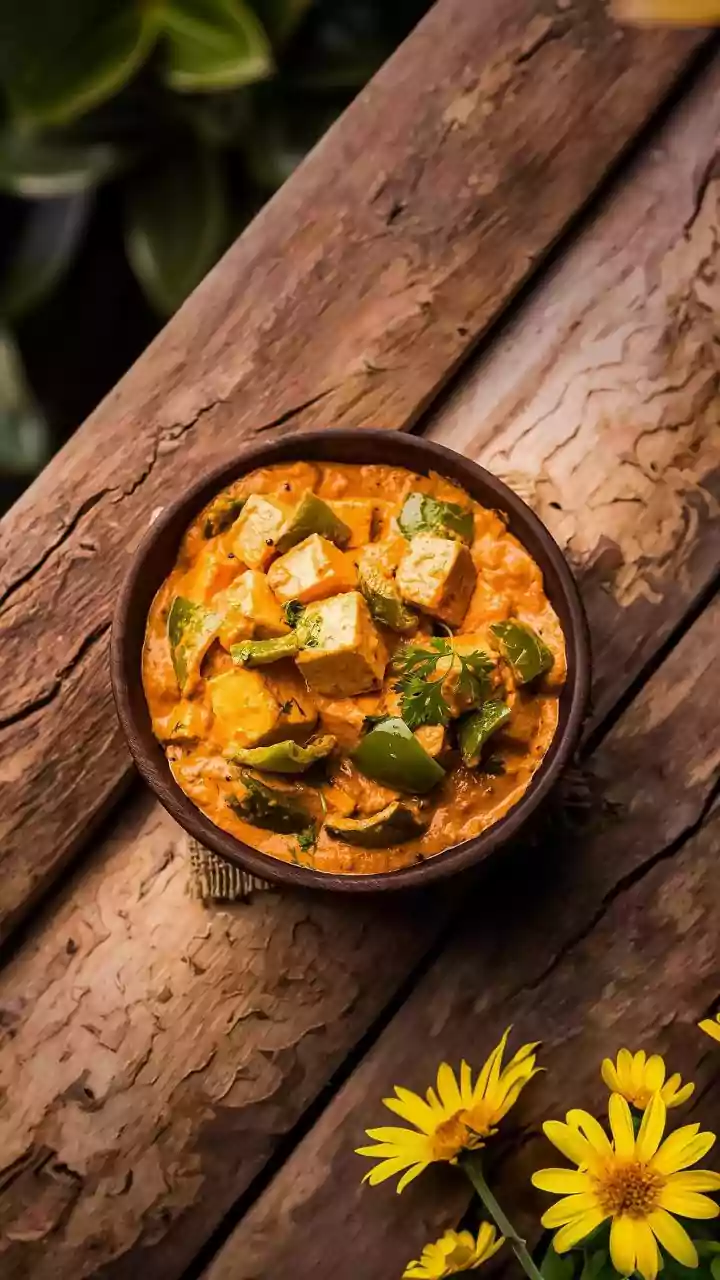
biggest complaint about homemade paneer dishes is that the paneer turns tough and rubbery. The fix is simple: give your paneer a quick spa treatment before it hits the pan. Whether you're using store-bought or homemade paneer, cut it into cubes and soak them in warm water for 10-15 minutes. This simple step is transformative, ensuring the paneer remains tender and succulent. Avoid soaking for too long, as it can become mushy. If you pan-fry your paneer for dishes like kadai paneer, do so quickly on medium-high heat for just a minute or two until lightly golden; prolonged frying is a guaranteed way to make it tough. For gravies, add the paneer only during the last few minutes of cooking. The residual heat is enough to warm it through without overcooking the delicate proteins.
Build a Richer, Creamier Gravy
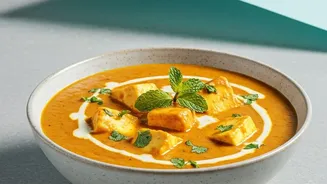
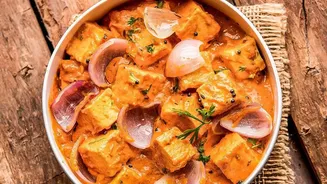
The soul of any great paneer dish is its gravy. Restaurant gravies achieve their signature velvety texture and deep flavour through a few key techniques. First, they rely on a foundational paste of slow-cooked onions, tomatoes, ginger, and garlic. The real secret, however, often lies in nuts and seeds. Blending a small handful of soaked raw cashews or almonds into your tomato-onion base creates a luxuriously thick and creamy sauce without using cornstarch. For a silky-smooth finish, like you'd find in a Paneer Butter Masala or Shahi Paneer, many chefs strain the gravy through a fine-mesh sieve to remove any stray fibres from tomatoes or onions. This extra step delivers that truly professional, liquid-silk consistency.
The Art of Marination for Tikkas
For grilled dishes like Paneer Tikka, the flavour comes from a good marinade that coats the surface rather than soaking in deeply. A classic tandoori-style marinade uses thick, hung curd (or Greek yoghurt) as its base, which helps the spices cling to the paneer. Along with spices like tandoori masala, cumin, and coriander powder, a small amount of besan (gram flour) can act as a binder, creating a substantial coating that chars beautifully when grilled. Unlike meat, paneer doesn't require a long marination time. Just 30 minutes to an hour is sufficient for the flavours to meld. Over-marinating can sometimes cause the paneer to become crumbly.
The Finishing Touches That Matter
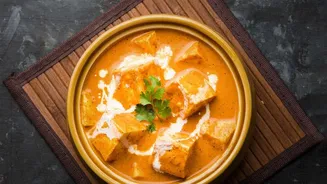
Often, the difference between a good home-cooked curry and a great one comes down to the final 30 seconds. One of the most important finishing ingredients in North Indian cooking is kasuri methi, or dried fenugreek leaves. To unlock its potent, earthy aroma, crush the leaves between your palms and sprinkle them into the gravy just before you turn off the heat. A final swirl of fresh cream adds richness and balances the acidity of the tomatoes. Lastly, a sprinkle of garam masala and freshly chopped coriander leaves right at the end introduces a final layer of bright, fresh aroma that can get lost during a long simmer. Some restaurants even use the 'dhungar' method, involving hot charcoal, to impart a smoky flavour.