

Gopalkala: A Taste of Krishna’s Childhood
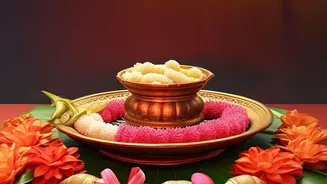
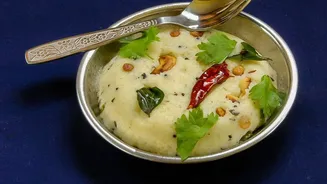
A quintessential Maharashtrian offering, Gopalkala is a no-cook preparation that is said to be one of Lord Krishna's favourites. It’s a rustic and wholesome mix, symbolising the meal Krishna shared with his cowherd friends. The dish combines flattened
rice (poha), yoghurt, chopped cucumber, fresh coconut, and pomegranate seeds. A simple tempering of ghee, cumin seeds, and green chillies brings all the flavours together. It’s a beautiful blend of textures—soft, crunchy, and juicy—and a refreshing savoury dish that is both a prasad and a light meal.
Kuler Ladoo: The Uncooked Gujarati Gem
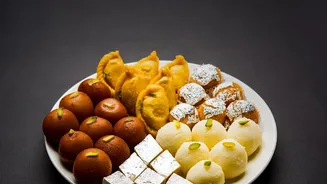
While many festival sweets require hours of slow cooking, Kuler Ladoo is a traditional Gujarati sweet that is wonderfully simple and no-cook. Made with just three main ingredients—bajra (pearl millet) flour, grated jaggery, and warm ghee—this dish comes together in minutes. The process involves rubbing the flour and jaggery together until well combined, then binding it with melted ghee to form ladoos. Often prepared for Nag Panchami, which precedes Janmashtami in Gujarat, these ladoos have a rustic, earthy flavour and a melt-in-the-mouth texture. Using fresh bajra flour is key to avoiding any bitterness.
Thandai Mousse: A Festive Flavour Reimagined
For a modern twist that still honours traditional tastes, the Thandai Mousse is a perfect choice. This dessert takes the iconic flavours of thandai—a fragrant blend of nuts, seeds, and spices like fennel, cardamom, and saffron—and incorporates them into a light, airy mousse. The base is typically made with whipped cream, which can be stabilised with agar-agar for a vegetarian-friendly option. Some recipes also use white chocolate or cream cheese to add richness and structure. The result is a sophisticated dessert that is both creamy and complex, garnished with pistachios and rose petals for a final festive flourish.
Singhare Atta ke Pakode: A Crispy Fasting Snack
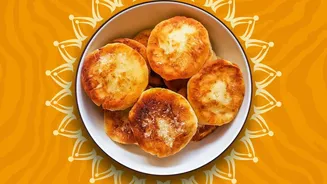
Fasting menus often feature potatoes, but pakoras made from singhare ka atta (water chestnut flour) offer a delightful change. These fritters are a popular vrat-friendly snack. The flour is mixed with mashed boiled potatoes, rock salt (sendha namak), cumin powder, and chopped green chillies to form a dough. Small portions are then deep-fried in ghee until golden and crisp. The singhare flour gives the pakoras a unique, slightly dense yet crispy texture that is different from regular besan pakoras. Served hot with a side of mint or tamarind chutney, they make for a satisfying savoury treat.
Dhaniya Panjiri: The Aromatic Prasad
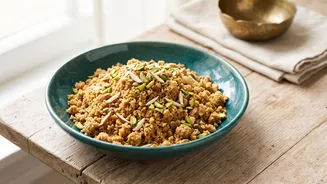
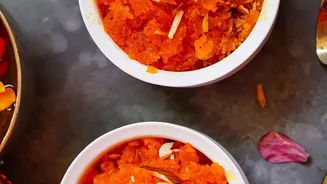
Dhaniya Panjiri is a staple prasad in North India, especially for Janmashtami, and is perfect for those observing a fast. It’s a unique sweet made by roasting coriander seed powder in ghee until it becomes fragrant. This aromatic base is then mixed with powdered sugar, chopped nuts like almonds and cashews, and makhana (fox nuts). The flavour is surprisingly warm, nutty, and mildly spicy from the coriander, balanced by the sweetness of the sugar. It’s a highly nutritious and warming dish, embodying the spirit of a devotional offering.
Makhana Kheer: A Lighter, Creamier Pudding
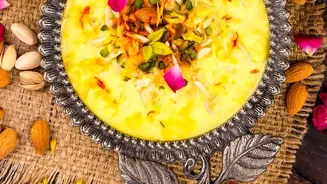
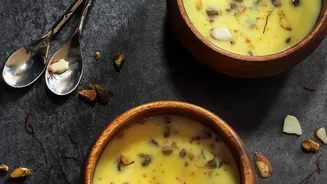
While rice kheer is a classic, Makhana Kheer offers a lighter yet equally creamy alternative that is ideal for fasting days. Makhana, or puffed lotus seeds, are roasted in a little ghee until crisp, then simmered in milk until they soften and the milk thickens. The kheer is sweetened with sugar and flavoured with cardamom and saffron. The makhana absorbs the milk beautifully, creating a pudding with a unique, slightly chewy texture. Garnished with slivered almonds and pistachios, it’s a comforting dessert that feels both indulgent and nourishing.