





Understanding the Monsoon's Shortfall
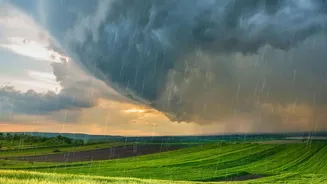
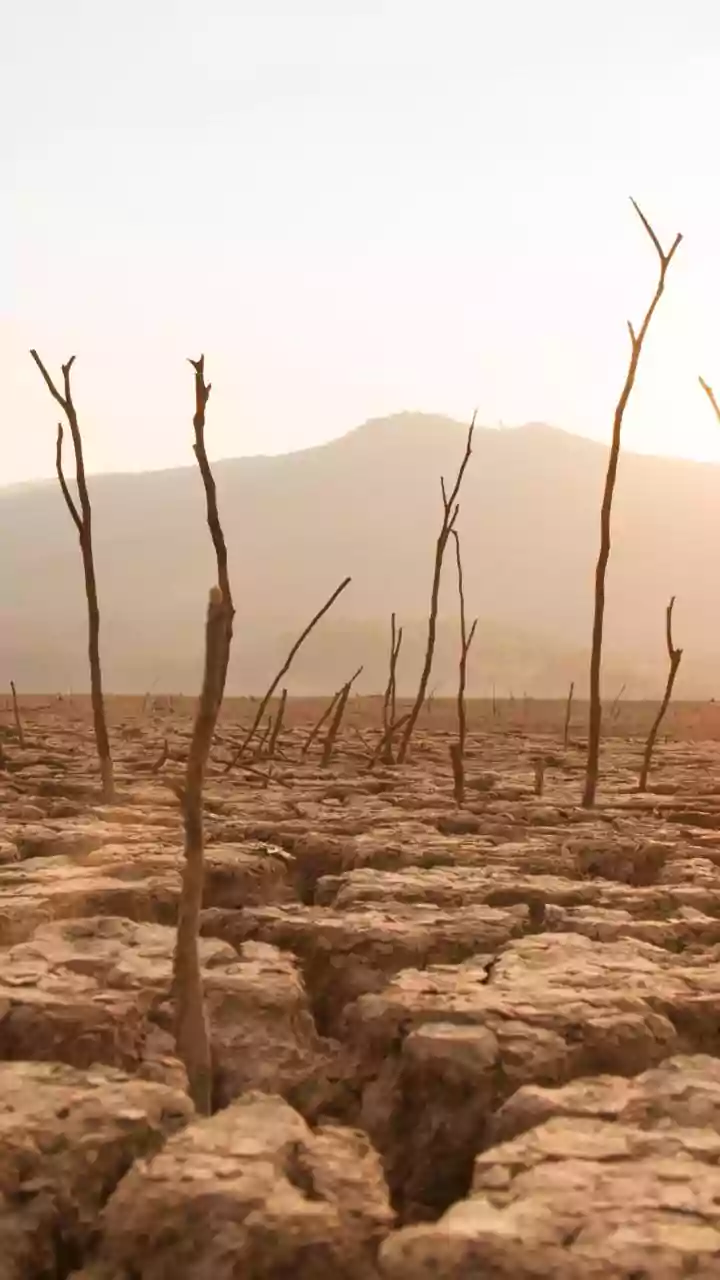
The 2026 southwest monsoon has been marked by significant gaps and uneven distribution. As of mid-September, cumulative rainfall for the season is running about 15% below the long-term average, putting India on course for its driest monsoon in years.
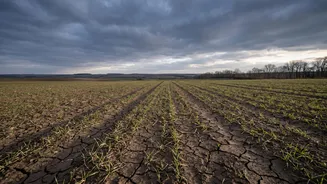
This deficit is not uniform; while some areas have seen near-normal rain, key agricultural belts in the south, east, and northeast have faced substantial shortfalls. Experts link this weakness to the strengthening El Niño phenomenon, which is known for suppressing monsoon activity in India. This isn't just about a lack of rain; it's about the timing and spread, which are crucial for agriculture. These dry spells deplete soil moisture and reduce water levels in reservoirs, creating a challenging setup for the next planting season.
The Critical Link to Rabi Crops
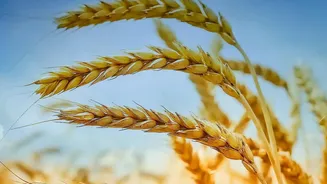
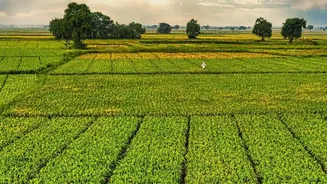
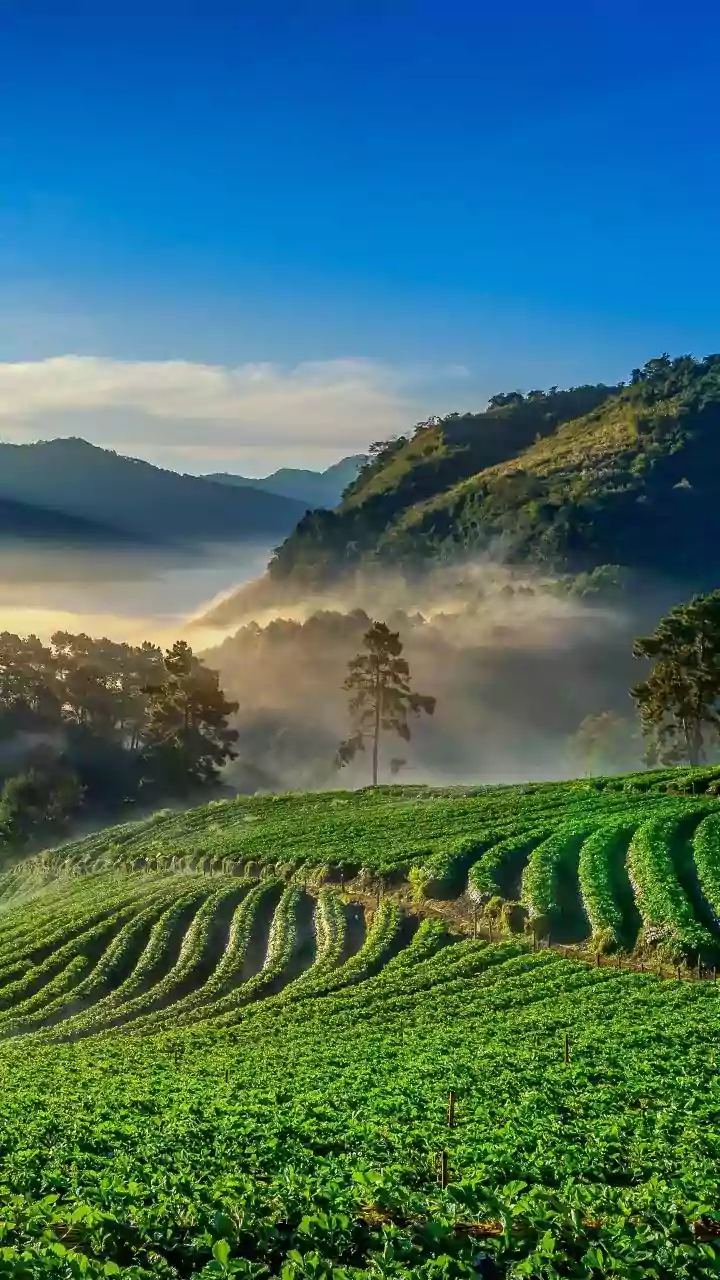
The Rabi season, or winter cropping season, begins as the monsoon recedes, typically from October. Farmers plant essential staples like wheat, barley, mustard, and pulses (gram, lentils), which account for nearly half of India's annual food grain production. While these crops are not directly rain-fed like summer (Kharif) crops, they are heavily dependent on the moisture left behind by the monsoon. Good monsoon rains saturate the soil and fill up reservoirs, which are the primary sources of irrigation for the dry winter months. When the monsoon is deficient, soil moisture is low and reservoir levels are below average, making it difficult for farmers to sow crops and provide necessary irrigation later. A weak monsoon directly threatens the foundation of the entire Rabi sowing and growing cycle.
How Production Woes Become Price Pains
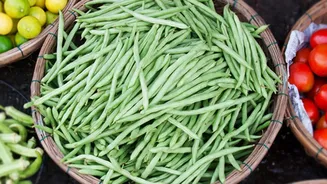
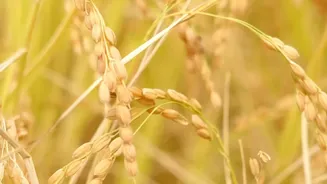
The connection between farm production and your kitchen budget is straightforward: it's a matter of supply and demand. If insufficient soil moisture and irrigation water lead to lower-than-expected sowing or reduced yields for major Rabi crops like wheat and pulses, the overall supply in the market shrinks. Wheat is the backbone of the country's food security program, while pulses are a primary source of protein for millions. A shortfall in their production means less availability for consumers. When supply tightens, but demand remains steady, prices inevitably rise. This price pressure isn't limited to just one or two items; a hike in the cost of staples like wheat flour (atta) and dal can have a cascading effect, driving up overall food inflation.
The Ripple Effect on Food Inflation
Food inflation measures the rate at which the average price of food items is increasing. Because food makes up a significant portion of the average Indian household's budget, even small changes are felt widely. A poor Rabi harvest would put upward pressure on an already sensitive food inflation rate. According to some economists, every percentage point shortfall in monsoon rainfall can translate to a roughly 0.25 basis point increase in food inflation. This means that a significant production decline in staples could lead to sustained high prices for everyday essentials, squeezing household budgets and posing a challenge for economic stability. The Reserve Bank of India closely monitors monsoon performance precisely for this reason, as it directly influences the country's inflation trajectory.