



The Morning Session: An Energising Start
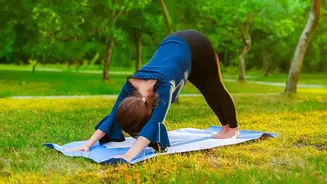
Practicing yoga in the morning is like a natural power-up for your body and mind. It aligns with your body's circadian rhythms, helping to awaken you gently and effectively. A morning session can boost metabolism, improve circulation, and increase oxygen
flow to the brain, setting a positive and energetic tone for the rest of the day. This early movement helps shake off stiffness from sleep and can lead to greater mental clarity and focus before the day's distractions begin. Studies suggest that starting your day with exercise enhances mood and cognitive function by releasing feel-good endorphins. For many, establishing a morning yoga routine is also easier to stick with, as there are typically fewer competing demands on your time.
Best Poses for Morning Vitality
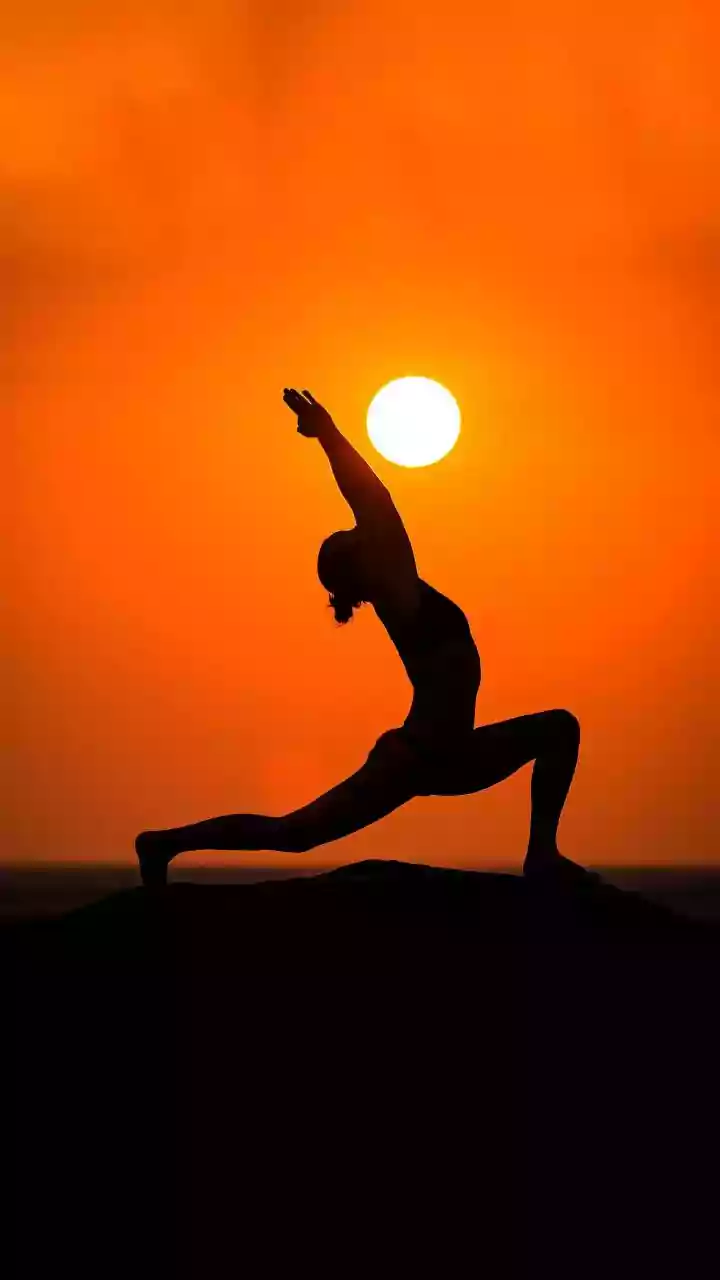
To get the most out of a morning practice, focus on dynamic and energising poses. Sun Salutations (Surya Namaskar) are a classic choice, as this sequence warms up the entire body and links breath with movement. Other powerful poses include Warrior I and Chair Pose (Utkatasana), which build strength and get your heart pumping. Gentle backbends like Cobra Pose (Bhujangasana) can help stimulate the nervous system, while balancing poses such as Tree Pose (Vrikshasana) sharpen your focus and concentration for the tasks ahead. These movements are designed to invigorate your system, making you feel more alert than a cup of coffee.
The Evening Practice: A Calming Wind-Down
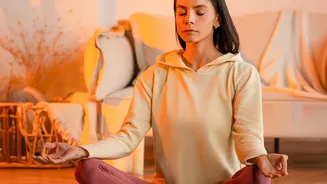
An evening yoga session serves a different but equally important purpose: to help you unwind and transition from a busy day to a state of rest. Practicing in the evening is a powerful tool for releasing the physical and mental stress that has accumulated. This is the time to focus on gentle, restorative movements that activate the parasympathetic nervous system—the body's 'rest-and-digest' mode. Research has shown that evening yoga can help lower levels of the stress hormone cortisol, reduce blood pressure, and calm anxious thoughts, all of which are crucial for preparing for sleep. As a bonus, your muscles are naturally warmer and more flexible in the evening, which may allow you to sink deeper into stretches.
Ideal Poses for Restful Sleep
For a pre-bedtime routine, the goal is relaxation, not exertion. Focus on poses that are calming and can even be done in or near your bed. Legs-Up-The-Wall Pose (Viparita Karani) is excellent for relieving tired legs and calming the nervous system. Child's Pose (Balasana) allows you to gently stretch your back and hips while turning your focus inward. Other beneficial postures include Reclining Bound Angle Pose (Supta Baddha Konasana) to open the hips and Supported Bridge Pose, which can alleviate tension. These slow, mindful movements, combined with deep breathing, signal to your brain that it's time to rest, often leading to improved sleep quality and duration.
So, Which Is Better for You?
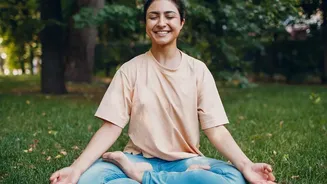
Ultimately, the best time to practice yoga depends entirely on your personal goals, lifestyle, and natural body clock. If your primary goal is to boost energy, improve focus, and build a consistent daily habit, a morning practice might be ideal for you. If you struggle with stress, tension, or difficulty sleeping, an evening session could be transformative. There is no one-size-fits-all answer. The key is to listen to your body. Experiment with both morning and evening sessions to see what feels most natural and beneficial. The most effective yoga practice is the one you can show up for consistently, so choose the time that fits seamlessly into your life and supports your well-being.