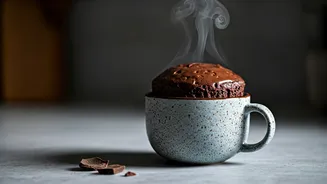






The Undeniable Appeal of the Mug Cake
The beauty of the mug cake lies in its simplicity and speed. It's a true single-serving dessert, meaning perfect portion control and no tempting leftovers. Better yet, all the mixing happens right in the mug you eat from, which means cleanup is almost
non-existent. It’s the ultimate life hack for the time-poor and dessert-obsessed, delivering maximum satisfaction with minimal effort. This isn't just about convenience; it's about the small, accessible luxury of having a warm, gooey cake ready at a moment's notice. It’s the perfect answer to a late-night sweet tooth, a quick treat for the kids, or a solo celebration.
The No-Fail Chocolate Mug Cake Recipe
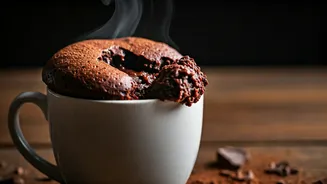
This recipe is designed for speed and uses basic pantry staples. There’s no need for an egg, which helps avoid a rubbery texture. First, mix your dry ingredients thoroughly in a microwave-safe mug (a wider mug is better for even cooking). Combine 4 tablespoons of all-purpose flour, 2 tablespoons of unsweetened cocoa powder, 2 tablespoons of sugar, and ¼ teaspoon of baking powder. Add a pinch of salt to elevate the chocolate flavour. Once whisked together, add the wet ingredients: 6 tablespoons of milk and 1 tablespoon of a neutral oil. Stir until the batter is smooth, making sure to scrape the bottom so no dry flour is left. For an extra decadent center, you can now stir in a tablespoon of chocolate chips.
Mastering the Microwave
The number one mistake with mug cakes is overcooking them, which leads to a dry, rubbery texture. Microwave power varies significantly, so your timing is crucial. Start by microwaving on high for 60 seconds. The cake should be puffed and the top should look set but still be slightly moist. If it still looks wet, continue cooking in 10-second bursts until it’s done. A toothpick inserted into the center should come out with moist crumbs attached, not clean. To prevent the cake from drying out, some experts even suggest adding a tablespoon of water on top of the batter before cooking to create steam. Also, don't fill your mug more than halfway to avoid a messy overflow as the cake rises.
Troubleshooting Common Mug Cake Problems
If your cake overflows, you likely either overfilled the mug or used too much baking powder. Next time, use a larger mug and stick to the recipe's measurements. If your cake is dense or gummy, you may have overmixed the batter. Stir just until the ingredients are combined and no lumps remain. A rubbery texture can be caused by overcooking, too much oil, or sometimes the inclusion of a whole egg, which can be too much for a small cake. An undercooked center often happens in tall, narrow mugs where heat doesn't distribute evenly. Using a wider, bowl-like mug can help the cake cook through properly.
Level Up Your Creation
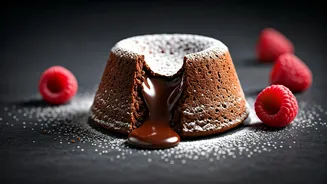
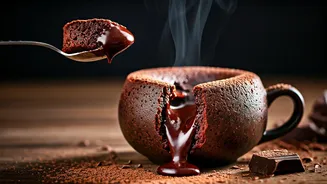
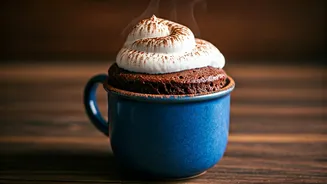
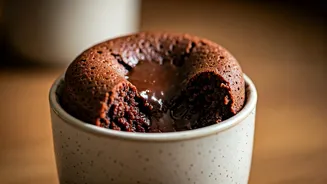
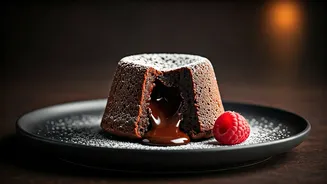
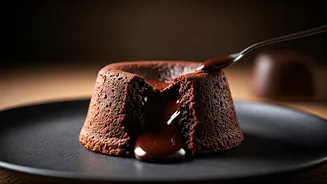
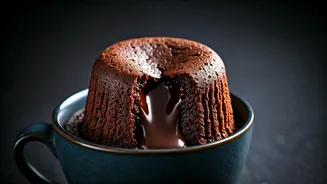
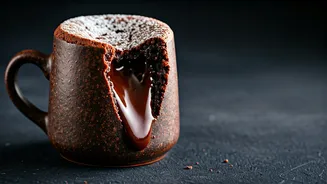
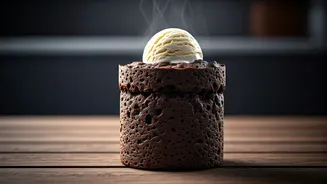
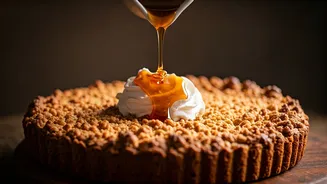
While this basic recipe is fantastic on its own, it’s also a perfect canvas for customisation. One of the best tricks is to add a surprise in the middle before cooking. A spoonful of peanut butter, Nutella, or a caramel square pushed into the center of the batter will melt into a gooey core. You can also enhance the batter by adding a pinch of espresso powder to deepen the chocolate flavour or a dash of vanilla extract. For extra texture, mix in chopped nuts, toffee bits, or shredded coconut. Once it's cooked, the possibilities continue: top your warm cake with a scoop of vanilla ice cream, a dollop of whipped cream, a dusting of powdered sugar, or a drizzle of caramel sauce.